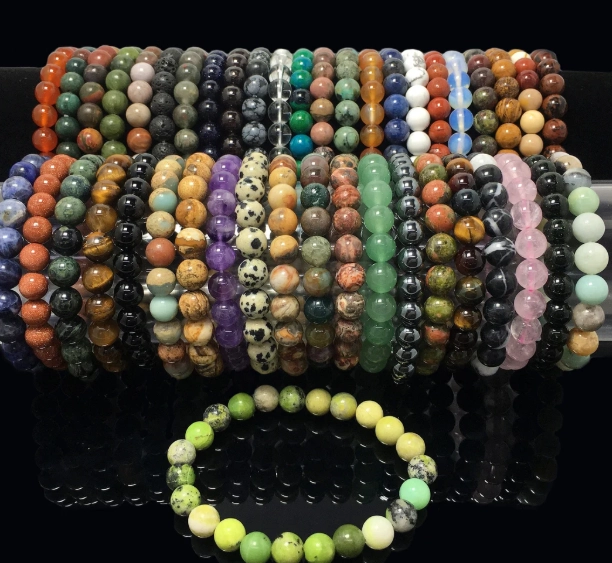
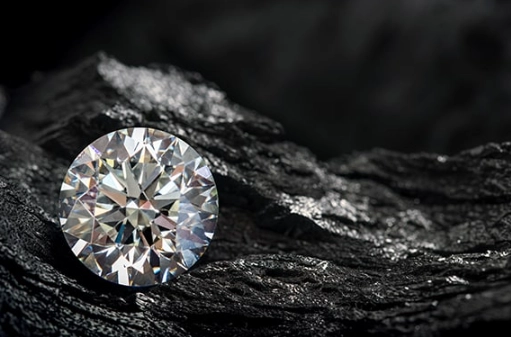
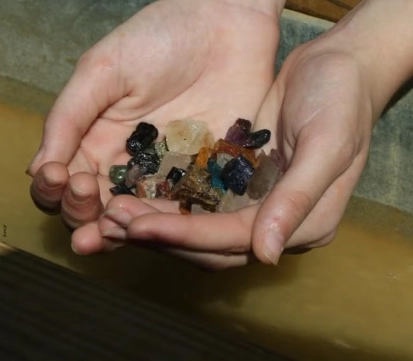
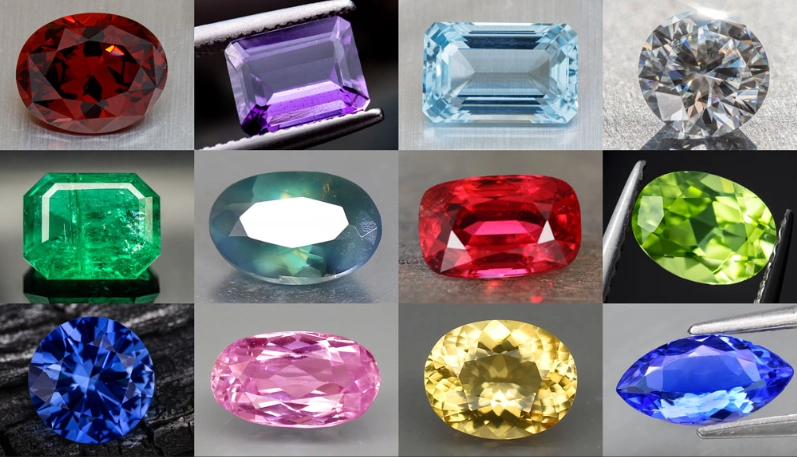
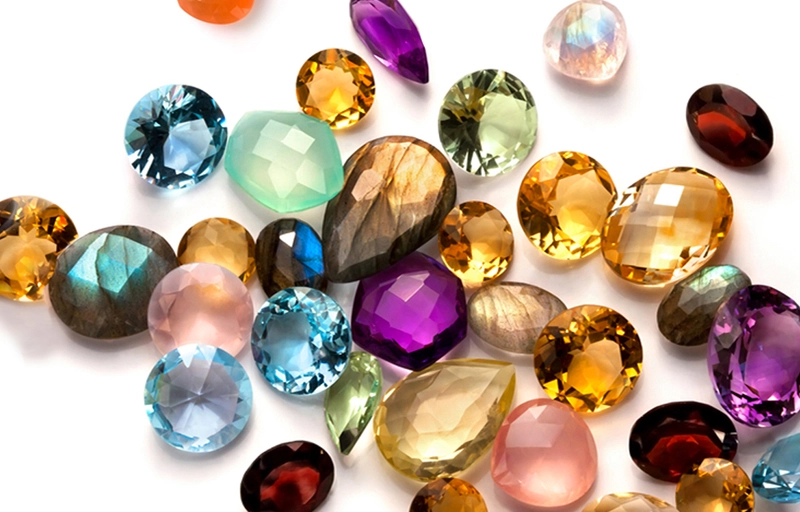
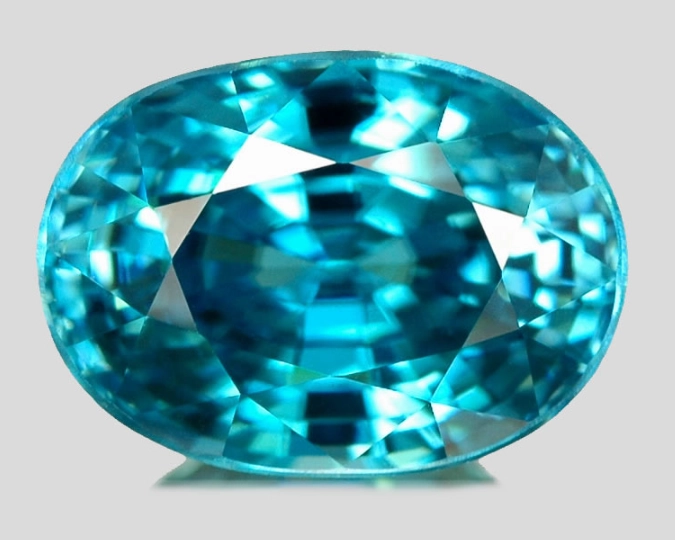
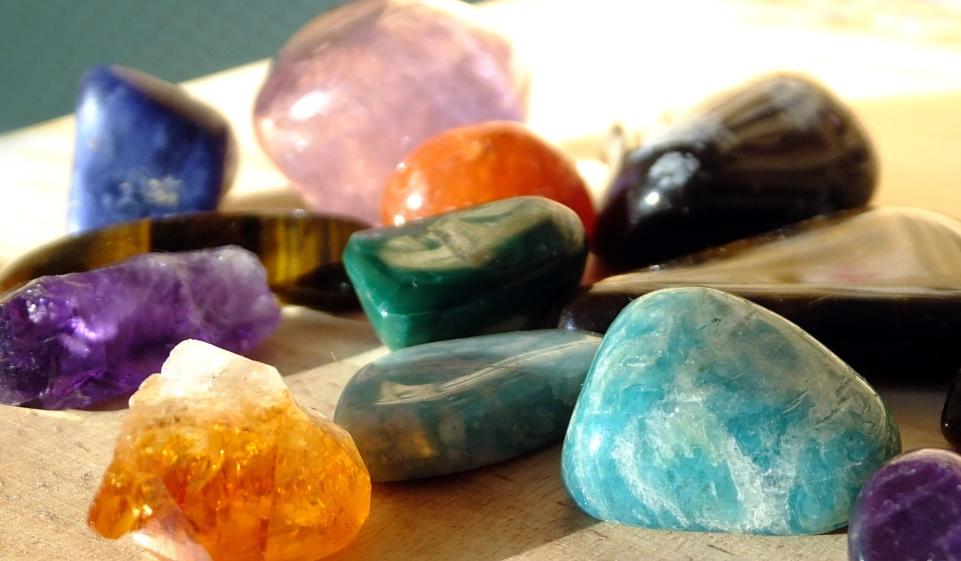
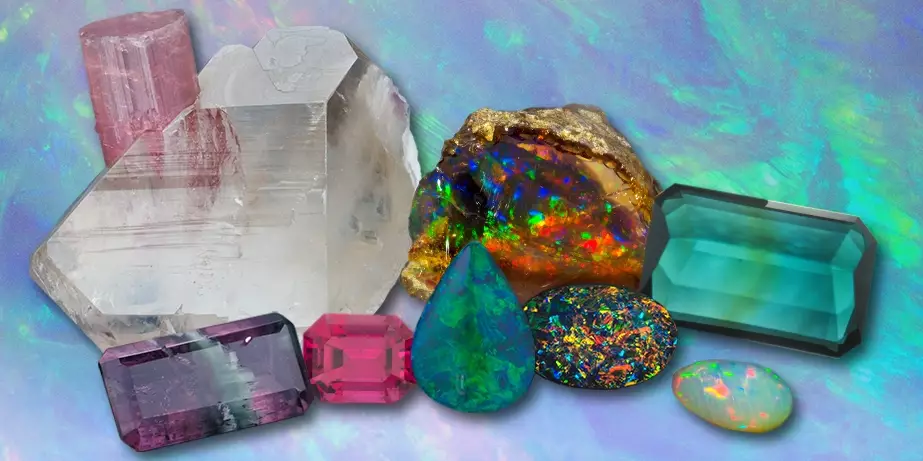
If you're born in October, you hit the birthstone jackpot. Forget a single color—your gem is the entire spectrum. Tourmaline is the chameleon of the gem world, a mineral that shows up in more hues than a sunset. Pink, green, blue, watermelon (yes, really), and even black. It's not just an alternative to the traditional opal; for many, it's the primary October birthstone, prized for its durability and dazzling variety. But what makes it truly special goes beyond the color chart. Let's talk about how to pick one, what most guides won't tell you about its care, and why it might be the most personal gift you can give.
What You'll Discover
Why Tourmaline is the Perfect October Birthstone
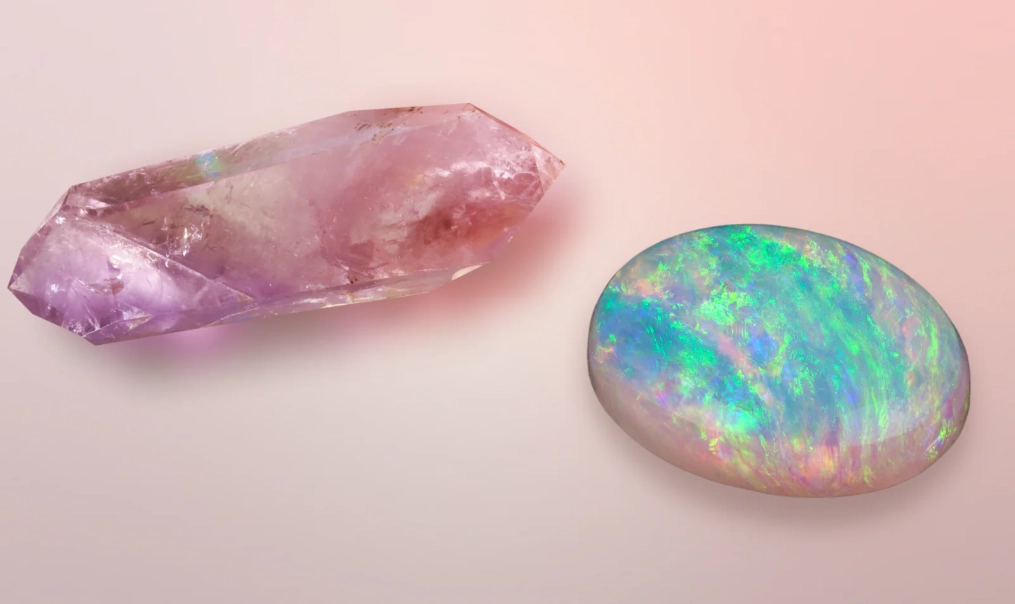
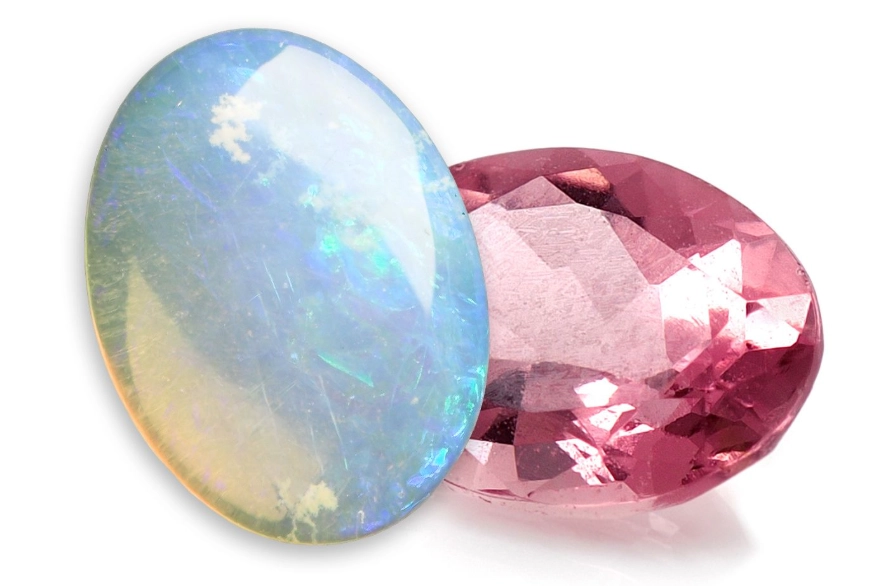
Opal gets the classic title, but tourmaline shares the October spotlight for good reason. The National Association of Jewelers added it as an official October birthstone in the 1950s, recognizing its growing popularity and stunning range. October is a month of change—leaves turning, seasons shifting. Tourmaline, with its myriad of colors, embodies that transformation perfectly.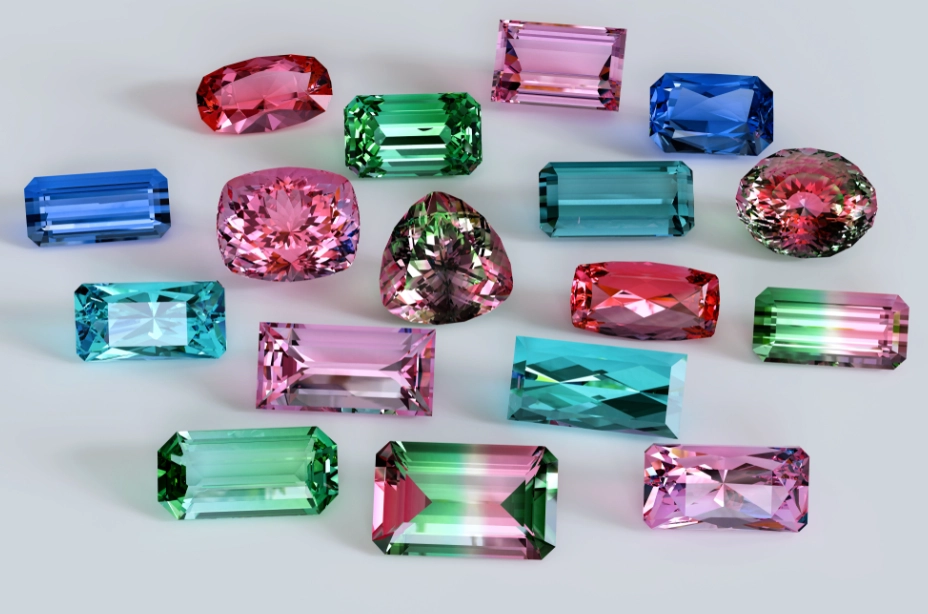
More practically, tourmaline solves a common concern with opal: durability. Opal is relatively soft and can be sensitive to dehydration. Tourmaline, with a Mohs hardness of 7 to 7.5, is tough enough for everyday rings and bracelets. It's a birthstone you can actually live in, not just save for special occasions. I've seen too many heirloom opals chipped in a drawer because someone was afraid to wear them. Tourmaline lets you celebrate your birth month every single day without that worry.
Gemologist's Note: The "Mohs scale" is a scratch resistance ranking from 1 (talc) to 10 (diamond). At 7-7.5, tourmaline is harder than quartz (7) but softer than topaz (8). This means it's very resistant to scratches from daily dust and wear, but you should still avoid banging it against harder materials like sapphire or diamond.
The Incredible Tourmaline Color Spectrum
This is where tourmaline leaves every other gem in the dust. Its color comes from a complex cocktail of elements like iron, manganese, chromium, and lithium. A single crystal can even contain multiple colors. Here’s the breakdown you won't find on a basic chart.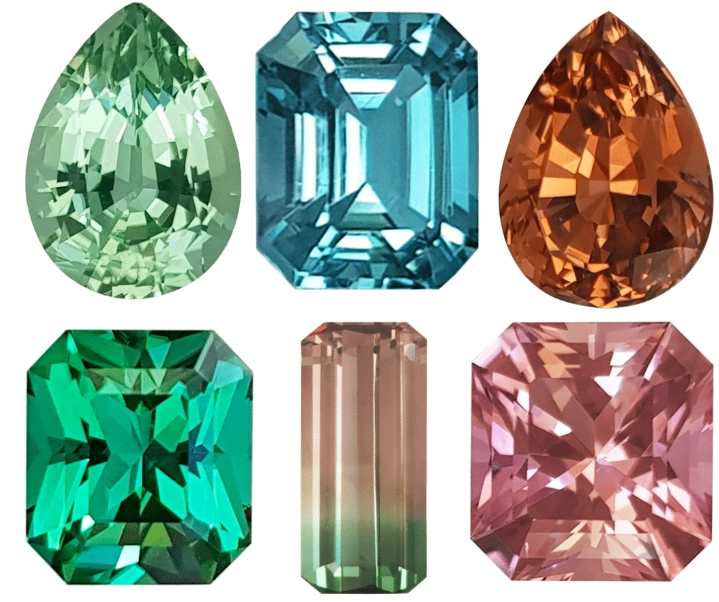
Beyond Pink and Green: The Specialty Varieties
Everyone knows pink and green tourmaline. The real magic is in the niche varieties that collectors and designers hunt for.
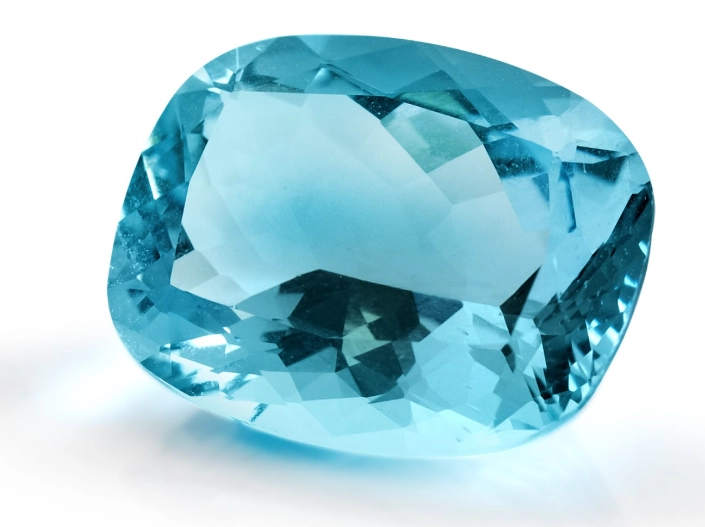
- Paraíba Tourmaline: The rockstar. Discovered in Brazil in the 1980s, its neon blue-to-green color, caused by copper, is electric. Prices can rival fine sapphire. If you see one, you'll never forget it.
- Watermelon Tourmaline: A crystal slice that's pink in the center and green on the edges, just like the fruit. It's almost always cut into slices or cabochons to show off this phenomenon. A perfect, matched pair for earrings is a serious find.
- Chrome Tourmaline: A vivid, grassy green caused by chromium (the same element that colors emerald). It's often cleaner and more vibrant than typical green tourmaline, which gets its color from iron.
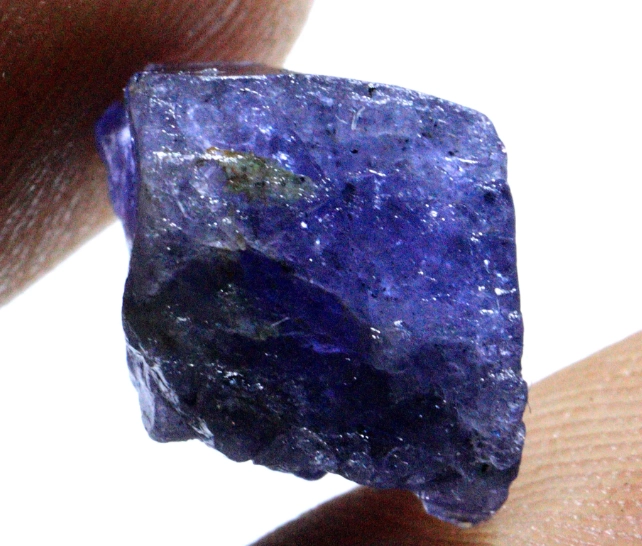
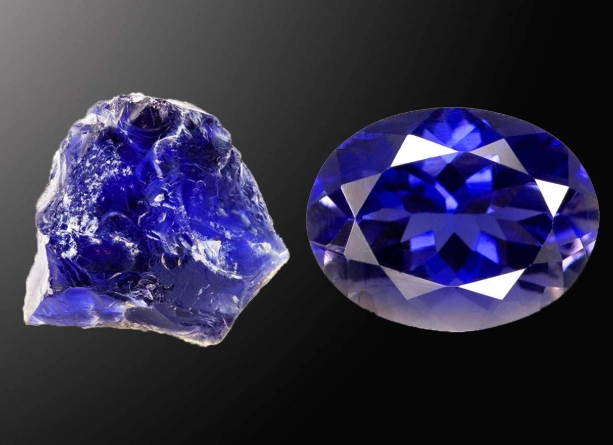
- Indicolite: The name for blue tourmaline. Good blues are rare and highly valued, especially in saturated, medium to dark tones.
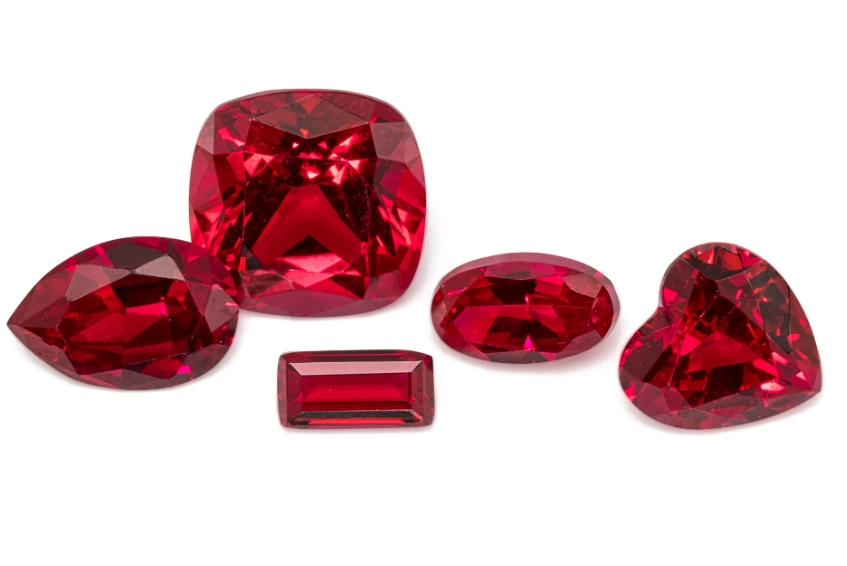
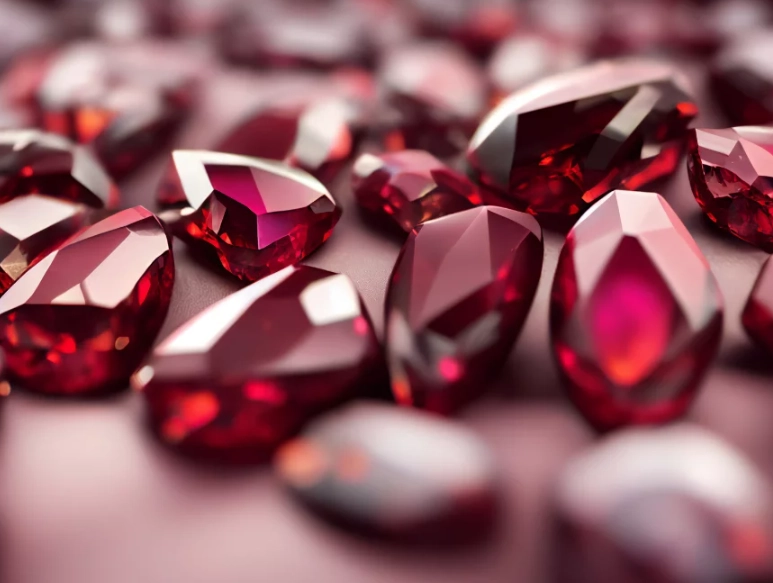
- Rubellite: Not just any pink. True rubellite is a deep, ruby-red pink that doesn't change color under different light sources. Cheaper pinks can look brownish in incandescent light—a key test.
| Tourmaline Variety | Defining Color | Key Factor & Tip |
|---|---|---|
| Paraíba | Neon Blue/Green | Copper content. Origin (Brazil vs. Africa) dramatically affects price. Ask for a lab report. |
| Rubellite | Deep Pink-Red | Color stability. View it under both daylight and bulb light before buying. |
| Chrome | Vivid Green | Chromium vs. Iron. Chrome greens are more intense and often more expensive. |
| Watermelon | Pink Core, Green Rim | Cut is everything. Look for a sharp color zoning and a polished, not waxy, finish. |
| Common Green/Pink | Various Shades | Availability. Offers the best value for larger stones or bold jewelry pieces. |
I once spent months tracking down a specific shade of lilac-pink tourmaline for a client who wanted it to match her grandmother's hydrangeas. That's the level of personalization this gem allows.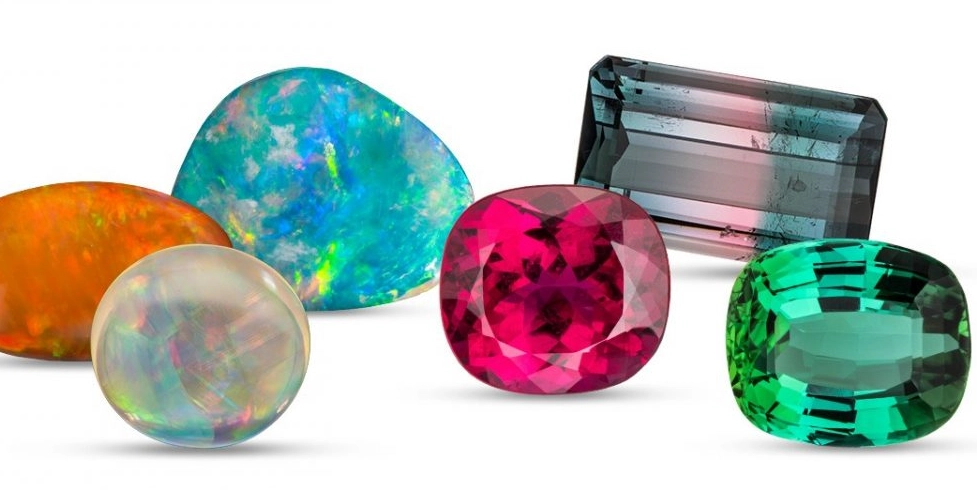
How to Buy a Tourmaline Birthstone: A Step-by-Step Guide
Let's get practical. Imagine you're buying an October birthstone ring for your partner. Here’s how to navigate the process without getting overwhelmed or overcharged.
Step 1: Set Your Color Priority. This is personal. Does your recipient love bold statement colors (look at Paraíba or Chrome), soft pastels (light pinks and blues), or something unique (Watermelon)? Don't just default to pink. Browse photos on reputable sites like the Gemological Institute of America's (GIA) gem encyclopedia to see the real range.
Step 2: Understand the 4 Cs for Tourmaline. It's not diamond grading, but the principles apply.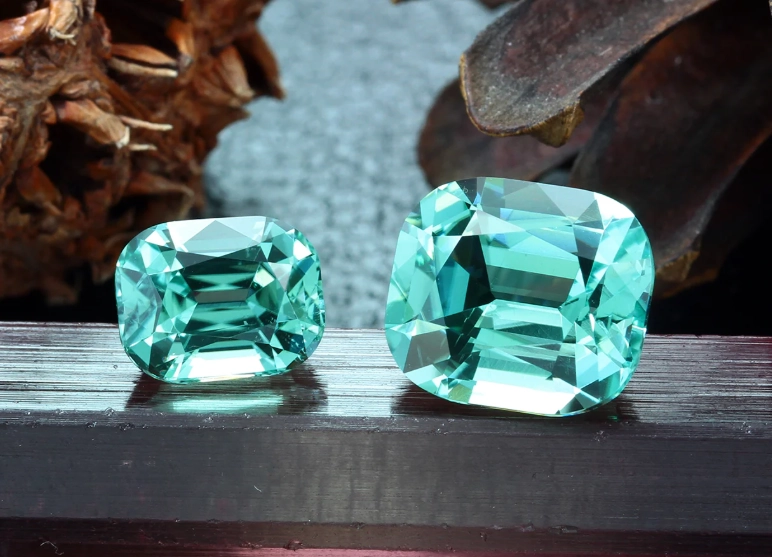
- Color: The single most important factor. Look for saturation and tone. A medium-tone, vivid stone is usually worth more than a large, pale one. For pinks and reds, check for brownish undertones.
- Clarity: Tourmaline commonly has inclusions—thread-like cavities or liquid "fingerprints." Eye-clean stones (no visible inclusions to the naked eye) command a premium, but some inclusions are acceptable, especially in richly colored stones. Avoid large fractures that reach the surface, as they compromise durability.
- Cut: A good cut brings the color to life. Look for even color distribution, not a stone that's dark in the center and pale at the edges (a common issue called "windowing"). Tourmaline is often cut in elongated shapes (ovals, cushions) to follow the natural crystal shape.
- Carat Weight: Price per carat doesn't increase exponentially like diamonds. You can often get a significantly larger stone for not much more money, especially in common colors.
Step 3: Ask the Right Questions. Any reputable seller should be able to answer these:
- "Has this stone been treated?" (Common treatments: heat to improve color, clarity enhancement with fillers for fractured stones). Heat is generally accepted; fillers require special care and should be disclosed.
- "Can I see a video under different lights?" (Crucial for checking color consistency, especially for rubellite).
- "Do you provide a lab report or identification memo?" (Essential for high-value stones like Paraíba).
Step 4: Choose the Setting Wisely. For rings, a bezel or protective setting is smarter than a high prong setting, given tourmaline's hardness. For pendants and earrings, you have more flexibility. White metals (platinum, white gold) make colors pop. Yellow gold complements warmer pinks and brownish tones beautifully.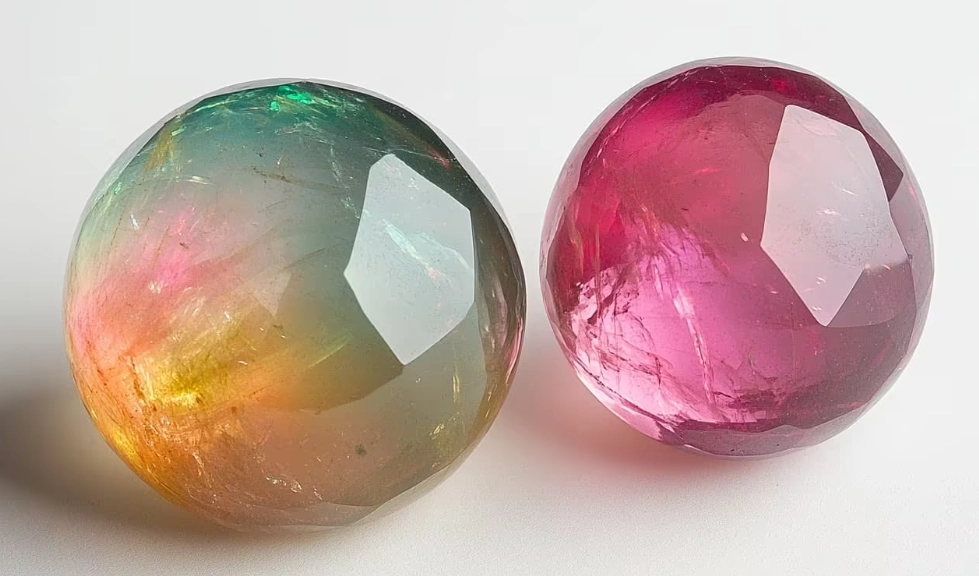
Caring for Your Tourmaline Jewelry (The Right Way)
Here’s where I see well-meaning owners make mistakes. Tourmaline is durable, but it's not invincible.
The Big No-No: Ultrasonic Cleaners. Just don't. The vibrations can shake loose stones with pre-existing fractures or damage clarity-filled stones. I've seen a beautiful tourmaline crack right down the middle in an ultrasonic tank. Steam cleaners are also risky due to sudden temperature changes.
The Right Way: Warm water, a drop of mild dish soap, and a soft toothbrush. Gently scrub behind the stone where grime collects. Rinse thoroughly and dry with a soft, lint-free cloth. That's it.
Storage: Don't toss it loose in a jewelry box with harder gems like sapphires or diamonds. Use a soft pouch or a compartment in a lined jewelry box. Think of it like this: you wouldn't store your favorite sunglasses without a case.
When to Wear It: Daily wear in a ring is fine. Take it off for heavy lifting, gardening, or gym workouts. The risk isn't usually a scratch—it's a sharp, unlucky blow against a harder surface.
Your Tourmaline Questions, Answered
At the end of the day, choosing a tourmaline October birthstone is about embracing choice. You're not locked into one look. You're picking a piece of the earth's palette that resonates. Whether it's the calming green of a forest, the joyful pink of a spring blossom, or the electric buzz of a Paraíba, it's a gem that carries both the weight of tradition and the freedom of personal expression. That's a pretty powerful way to celebrate a birthday.