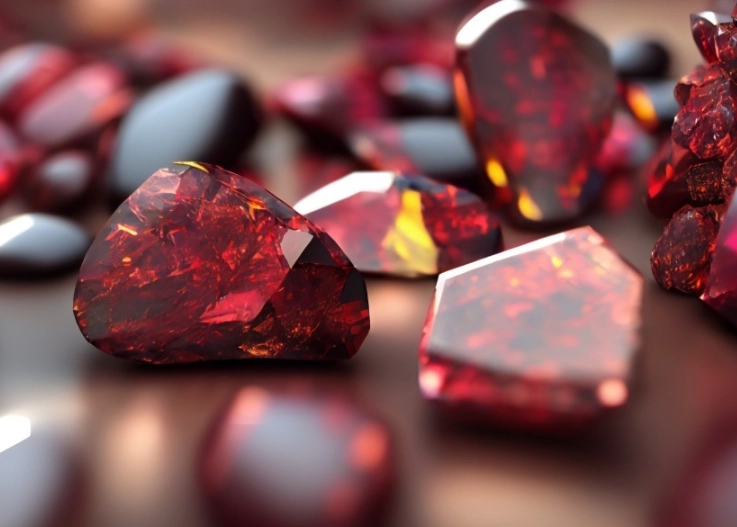
If you're a December baby, you probably know turquoise is your birthstone. But what does that actually mean? It's more than just a pretty blue-green rock—it's a gem steeped in history, symbolism, and practical value. I've been collecting and studying gemstones for over a decade, and I've seen too many people buy turquoise without knowing what they're getting into. Let's dive deep into the real meaning of turquoise, from its ancient roots to how you can choose a piece that lasts.
What You'll Discover in This Guide
What is Turquoise and Why is it the December Birthstone?
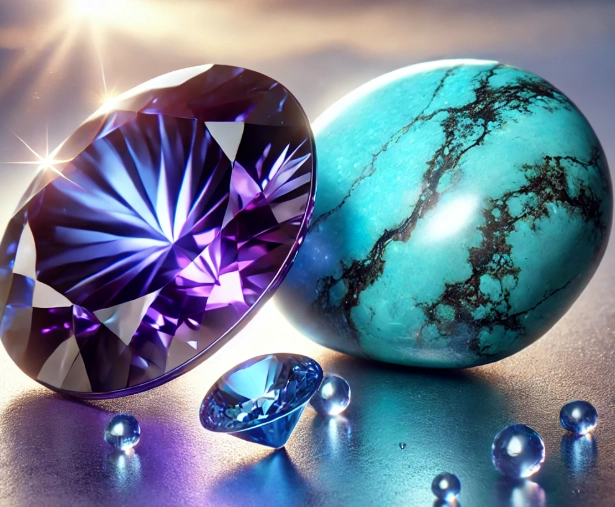
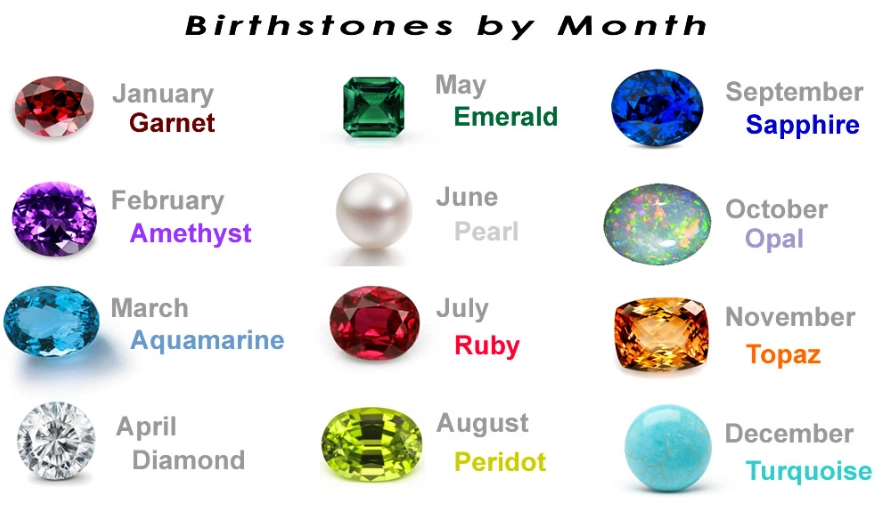
Turquoise is a phosphate mineral that forms in dry, arid regions. Its color ranges from sky blue to green, depending on copper and iron content. The Gemological Institute of America (GIA) notes that turquoise has been prized for millennia, with evidence of use in ancient Egypt and Persia. But why December? The modern birthstone list, standardized by jewelers in the early 20th century, assigned turquoise to December for its association with protection and good fortune during the winter months. It's not just a random pick—it ties into seasonal symbolism.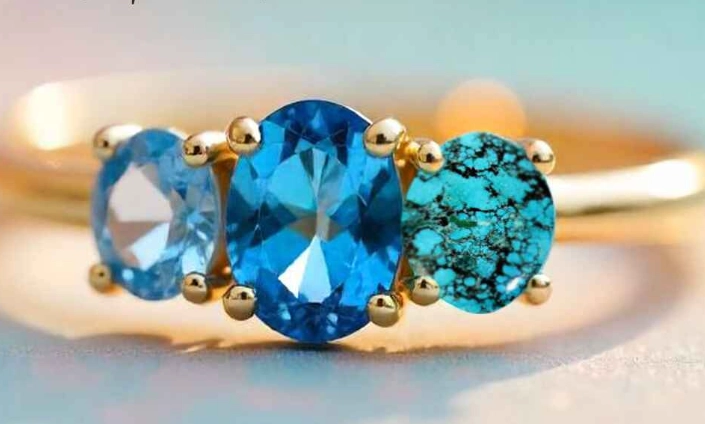
The Geological Story of Turquoise
Turquoise forms near copper deposits. Water trickles through rocks, picking up copper and aluminum, and over centuries, it crystallizes into veins. Most high-quality turquoise comes from the southwestern United States (like Arizona and Nevada), Iran, and China. I once visited a mine in Nevada; the owner showed me how unstable the color can be if the stone isn't stabilized properly. That's a key point many sellers gloss over.
Historical Significance Across Cultures
Native American tribes, such as the Navajo and Zuni, have used turquoise in jewelry and rituals for centuries. In Persia, it was carved into talismans for kings. The ancient Egyptians buried turquoise with pharaohs for protection in the afterlife. This global appeal isn't coincidence—it's because the stone's durability and color made it a natural choice for adornment and spiritual use.
The Deep Symbolism and Meaning of Turquoise
Turquoise isn't just a birthstone; it's a symbol of wisdom, protection, and healing. Many cultures believe it wards off evil and brings peace. In crystal healing circles, it's touted for throat chakra alignment, aiding communication. But here's a non-consensus view: I think its real power lies in its psychological impact. Wearing turquoise can boost confidence because of its vibrant color and historical weight. It's a conversation starter that connects you to ancient traditions.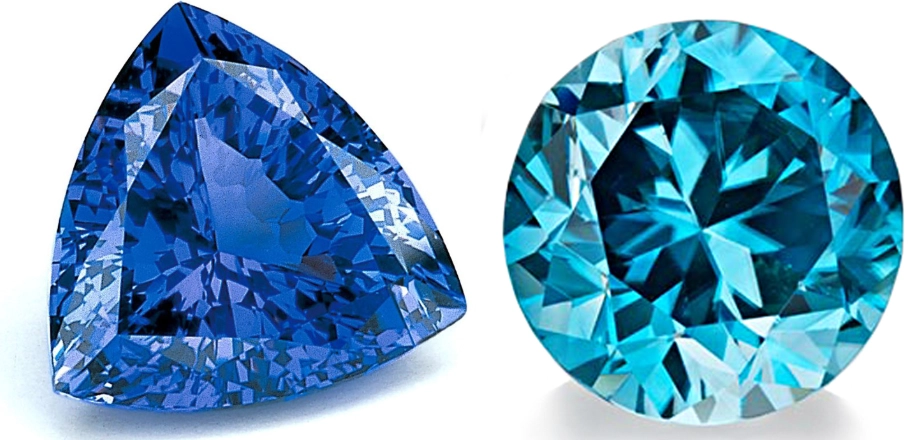
Spiritual and Healing Properties
Modern enthusiasts often misuse turquoise for quick fixes. I've seen people buy cheap, treated stones expecting spiritual benefits, only to be disappointed. Authentic, high-quality turquoise is believed to promote emotional balance and protection. For example, in Tibetan culture, it's used in meditation to enhance clarity. But don't expect miracles—it's more about mindfulness than magic.
Turquoise in Modern Jewelry and Fashion
Turquoise has made a comeback in fashion, from bohemian styles to high-end designs. Designers like Tiffany & Co. have featured it in collections. However, the trend has led to overproduction of low-quality, synthetic turquoise. When shopping, look for pieces that specify natural stone. A tip: if the price seems too good to be true, it probably is treated or imitation.
How to Choose the Best Turquoise Gemstone
Choosing turquoise can be tricky. Most guides list color and clarity, but they miss the nuances. Let's break it down with a table, then I'll share some hard-earned advice.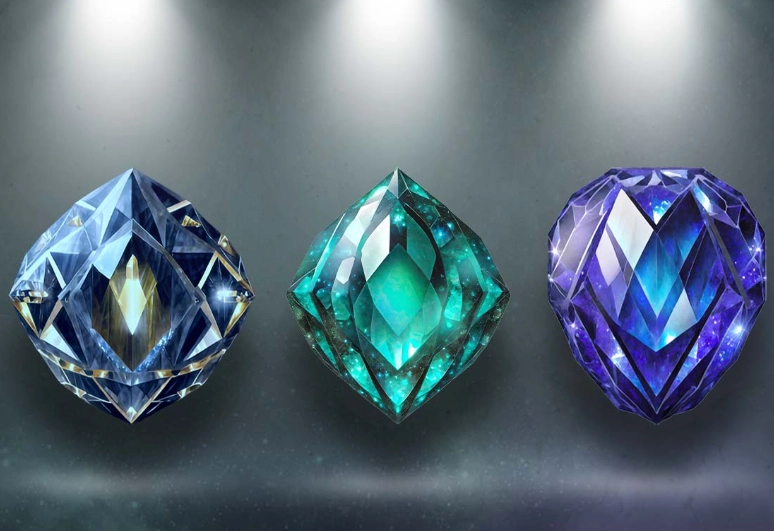
| Factor | What to Look For | Common Pitfalls |
|---|---|---|
| Color | Even blue or green hues; sky blue is most valued. | Avoid stones with blotchy or faded colors—they may be dyed. |
| Matrix (Veining) | Fine, spiderweb patterns are desirable; it adds character. | Heavy, black matrix can weaken the stone; check for cracks. |
| Treatment | Stabilized turquoise is common and acceptable for durability. | Be wary of "enhanced" stones sold as natural; ask for disclosure. |
| Origin | Iranian and Sleeping Beauty (Arizona) turquoise are top-tier. | Chinese turquoise is often treated; know the source. |
After years of buying, I learned that matrix isn't always bad—it can prove authenticity. But if the seller can't tell you where it's from, walk away. Many online listings use stock photos; insist on real images under natural light.
Understanding Turquoise Quality: Color, Matrix, and Treatment
Color is subjective, but professionals grade turquoise based on saturation. The GIA's gem encyclopedia emphasizes that natural color is key. Matrix, the web-like patterns, comes from host rock. Some collectors love it; others prefer clean stones. Treatment is a biggie: stabilization with resin is standard for softer turquoise, but it should be disclosed. I once bought a "natural" piece that later cracked because it was untreated and too porous. Now, I always ask about treatment.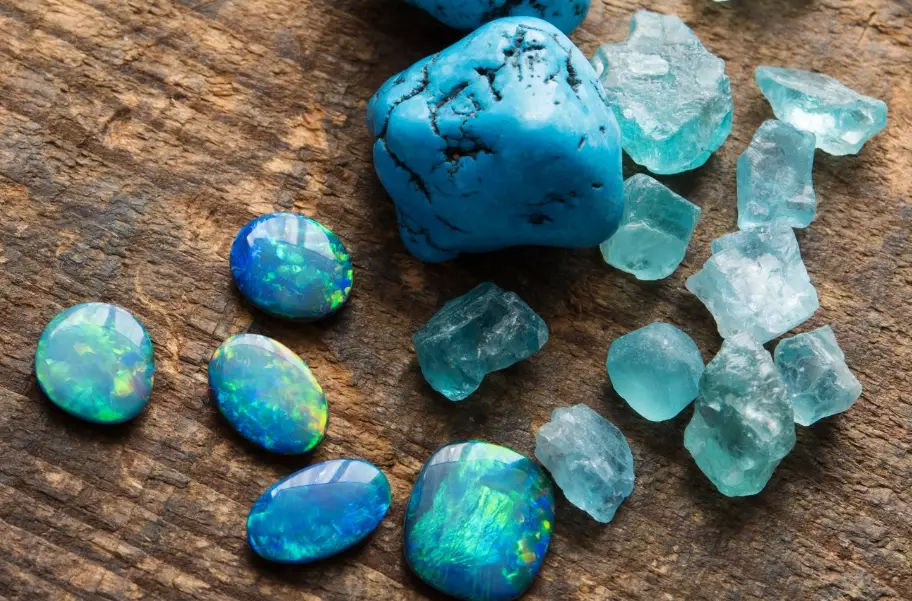
Common Pitfalls to Avoid When Buying Turquoise
Don't fall for these traps:
- Too Perfect Color: Uniform, bright blue might be synthetic. Natural turquoise has variations.
- Lack of Certification: Reputable sellers provide origin and treatment info. If they don't, it's a red flag.
- Price Shopping: Cheap turquoise often means poor quality or imitation. Invest in a few good pieces instead.
A friend spent $50 on a necklace that turned green after a month—it was dyed howlite. Learn from that mistake.
Caring for Your Turquoise Jewelry: Expert Tips
Turquoise is relatively soft (5-6 on the Mohs scale), so it needs gentle care. Most people ruin their jewelry by exposing it to chemicals or rough handling. Here's a simple routine I follow.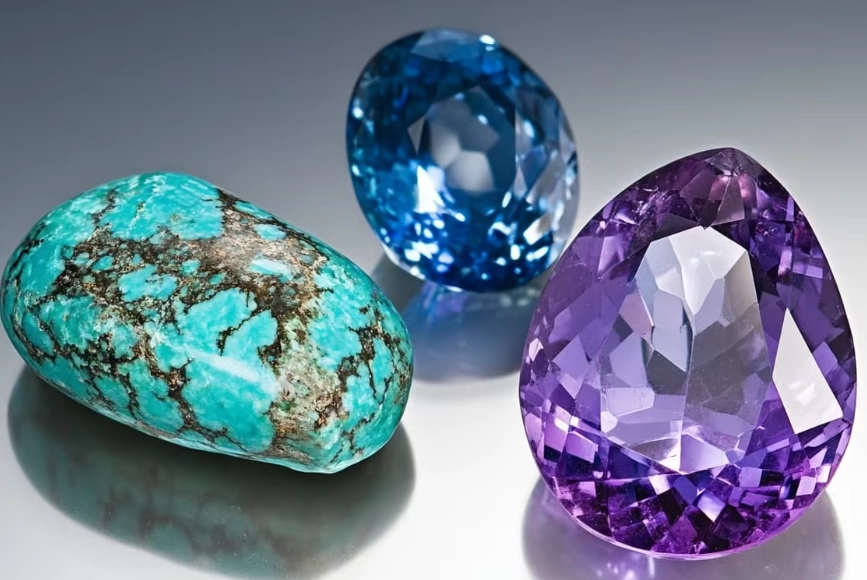
Quick Care Checklist: Keep it away from perfumes, clean with a soft cloth, store separately, and avoid water exposure if untreated.
Daily Maintenance Do's and Don'ts
Do wipe your turquoise with a dry cloth after wearing. Don't use ultrasonic cleaners or steam—they can damage the stone. I made that error with a ring; the heat caused discoloration. Also, apply cosmetics before putting on jewelry to prevent chemical reactions.
Long-Term Preservation Strategies
Store turquoise in a fabric-lined box, away from other gems that might scratch it. For untreated stones, consider occasional professional cleaning. If you live in a humid area, use silica gel packets in storage to absorb moisture. One collector I know keeps her turquoise in individual pouches—it seems extra, but it works.