Opal is stunning. There's no debate about that. The play of color, the way it shifts in the light—it's hypnotic. But here's the thing I've learned after years working with gems: its beauty comes with a catch. Opal isn't a "one-size-fits-all" stone. The old superstition that it's unlucky for anyone not born in October is, frankly, overblown nonsense. The real reasons some people should avoid opal are far more practical, grounded in science, body chemistry, and lifestyle. If you're considering an opal, you need to know this.
Let's cut through the folklore. The question of who should not wear opal isn't about cursing your luck. It's about skin reactions, the stone's delicate nature, and how your personal energy might interact with its intense vibrancy.
What's Inside This Guide
Opal Bad Luck: Separating Myth from Reality
Where did the "unlucky opal" idea even start? Most trace it back to Sir Walter Scott's 1829 novel, Anne of Geierstein, where an opal-bearing heroine meets a tragic end. The book was a bestseller, and the association stuck. Before that, opal was revered by Romans as a symbol of hope and purity.
Modern gemology, of course, pays no attention to this. The Gemological Institute of America (GIA) describes opal's value purely in terms of its play-of-color, body tone, and clarity. The "bad luck" tag is a historical blip, not a gemological fact.
But. And this is a big but. Just because the superstition is false doesn't mean opal is for everyone. The real reasons for caution are tangible.
Key Takeaway: The "unluckiness" is a literary myth. The real considerations are physical sensitivity, the stone's fragility, and personal belief systems—not a universal curse.
Three Key Groups Who Should Reconsider Wearing Opal
Based on my experience, these are the people who often run into issues, from mild annoyance to a ruined ring.
1. People with Sensitive Skin or Specific Body Chemistry
This is the most overlooked reason. Opal is a hydrated silica gel. It's porous. Some treatments used on lower-quality opals (like sugar-acid or smoke treatment) to enhance color can leave residues. Even for natural opals, lotions, perfumes, and your skin's natural pH can interact with the stone in a way that irritates sensitive skin. It's not common, but I've seen clients develop a mild rash where an opal pendant rested against their chest.
More critically, opal contains water—typically between 3% and 21%. If you have extremely dry skin or live in a desert climate, the stone can actually lose water to your skin through microscopic cracks (crazing), destabilizing it and leading to cracks. Your body isn't "cursing" the opal; it's creating a poor environment for it.
2. Anyone with an Active or Hands-On Lifestyle
Opal is relatively soft (5.5-6.5 on the Mohs scale) and hates sudden temperature changes and knocks. Let's get specific:
- Healthcare workers, mechanics, chefs, gardeners: Constant hand-washing, exposure to chemicals, heat, or physical impact is a death sentence for an opal ring.
- Gym-goers: Sweat, chlorine from pools, and weightlifting? Please, take your opal ring off.
- New parents: Between baby wipes, constant washing, and accidental taps against hard surfaces, an opal engagement ring isn't a great daily wear choice during these years.
I once had a client, a passionate home baker, who couldn't understand why her beautiful opal ring clouded and cracked after a few months. The culprit? Repeated, slight temperature shifts from her hands going into the fridge and near the warm oven. Opal is a diva that way.
3. Those Who Firmly Believe in Traditional Astrological or Cultural Guidelines
While I don't hold these beliefs myself, I respect their power for the wearer. If you genuinely subscribe to Vedic astrology or certain cultural traditions that advise against opal for your zodiac sign (like Leo or Scorpio in some systems), wearing it might cause subconscious anxiety. That feeling of "this is wrong for me" can outweigh any aesthetic pleasure. The mind is powerful.
Here's a quick breakdown of common concerns:
| Group | Primary Risk | Practical Outcome |
|---|---|---|
| Active Lifestyle Individuals | Physical damage (chips, cracks), water loss | Ruined stone, loss of investment |
| Skin-Sensitive Individuals | Contact irritation, reaction to treatments | Skin rash, discomfort |
| Climate-Sensitive (Very Dry Climates) | Dehydration and crazing of the stone | Loss of brilliance, structural weakness |
| Belief-Adherent Individuals | Psychological discomfort | Lack of enjoyment from the jewelry |
What to Wear Instead: Practical Opal Alternatives
Love the look of opal but fall into one of the above categories? Don't despair. Gemology has solutions.
For the Color Play: Consider labradorite or spectrolite. They offer a stunning, flashy schiller (labradorescence) that rivals opal's fire, but they're tougher (6-6.5 on Mohs) and less water-sensitive. A great choice for a ring.
For the Milky-Iridescent Look: Moonstone (the real adularia variety) gives that soft, glowing look. It's still a bit soft (6-6.5) but less finicky than opal.
For Durability: If you must have an "opal" look for daily wear, a high-quality opal doublet or triplet can be more resistant. The protective top layer of quartz (in a triplet) shields the opal layer. Alternatively, a synthetic opal like Gilson opal is more stable and worry-free, though it lacks the natural stone's unique character.
A word on alternatives: While harder, labradorite and moonstone can still cleave if struck sharply. No gem is indestructible. The goal is to find a stone whose care routine matches your life.
If You Do Wear Opal: Non-Negotiable Care Rules
So you've decided an opal is for you. Maybe you have a desk job, live in a temperate climate, and got the all-clear from your astrologer (if that's your thing). Here's how to keep it alive.
- Last On, First Off: Put your opal jewelry on after makeup, hairspray, and perfume. Take it off before chores, washing hands, or applying lotion.
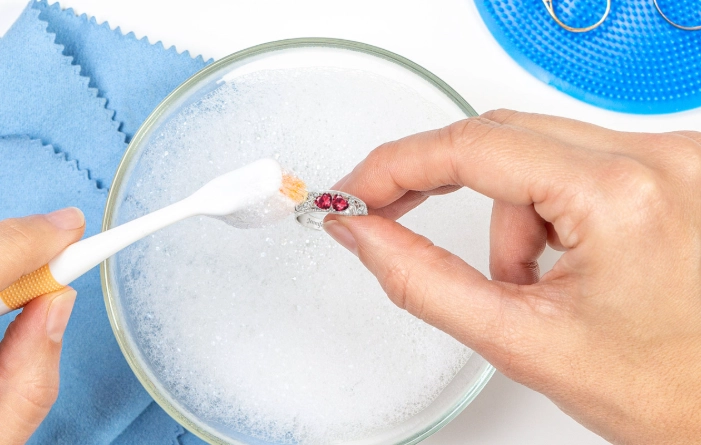
- Clean Gently: Warm, soapy water and a soft cloth only. Never ultrasonic or steam cleaners. The vibrations and heat can shatter it.
- Storage is Key: Store in a soft pouch, away from other harder gems that can scratch it. Some experts suggest a cotton ball slightly dampened with water in the bag for very dry environments, but be cautious—too much moisture isn't good either.
- Wear It: Ironically, regular wearing in a stable climate helps opal maintain its water content through ambient humidity. Don't lock it away forever.