What You'll Discover in This Guide
Let’s get straight to the point. Asking if tourmaline is expensive is like asking if a car is expensive. A reliable used sedan? Affordable for many. A brand-new Ferrari? That’s a different story. Tourmaline occupies every single tier of that spectrum. It’s one of the most democratic gems in the world, offering breathtaking beauty for under $50 a carat and also producing stones that rival diamonds in price, soaring to over $10,000 per carat.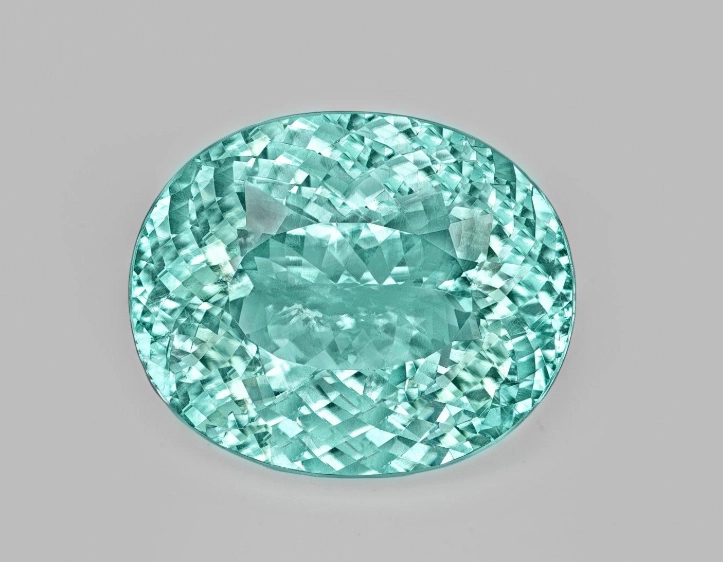
The confusion is understandable. You might see a lovely pink tourmaline ring for a few hundred dollars, then hear about a tiny Paraíba tourmaline selling for a fortune. What gives? The price hinges almost entirely on color, followed closely by size and clarity. Unlike diamonds, where a strict grading system creates predictable pricing, tourmaline is the wild west. That’s where knowledge becomes power—and saves you money.
The Short Answer: Tourmaline's Price Spectrum
For a quick mental map, think of tourmaline prices in three broad lanes.
- The Accessible Lane ($20 - $300 per carat): This is where most commercial-quality tourmaline lives. Think lighter pinks, pale greens, brownish-greens (known as "dravite"), and small, included crystals. You can find gorgeous finished jewelry here, especially in silver or gold-filled settings. It’s a fantastic entry point.
- The Mid-Range Highway ($300 - $2,000 per carat): Here you find the good stuff. Vivid, saturated colors without overtone issues. Clean eye-clean stones in desirable sizes (3-8 carats). Fine raspberry pink, rich chrome green (not to be confused with chrome tourmaline, which is different), and vibrant blues like Indicolite start here.
- The Luxury Supercar Lane ($2,000 - $15,000+ per carat): Reserved for the rarest of the rare. This is the domain of Paraíba tourmaline from Brazil or Nigeria with that electric, neon blue-green glow caused by copper. It also includes exceptional, large, clean specimens of rare colors like pure, intense red (rubellite) or the coveted "watermelon" tourmaline with sharp color zoning.
See? One gem, three completely different worlds.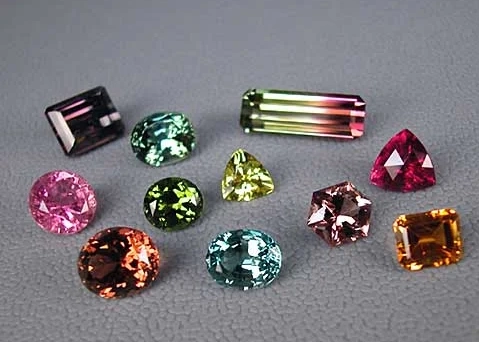
What Determines a Tourmaline’s Price? The 4 Key Drivers
Forget carat weight as the primary driver. With tourmaline, color is king, queen, and the entire royal court. Here’s what you’re really paying for.
1. Color: The Make-or-Break Factor
This is everything. A 1-carat stone in a common hue can cost $50. A 1-carat stone in a rare hue can cost $5,000. The valuation follows a simple, brutal logic: saturation, hue, and rarity.
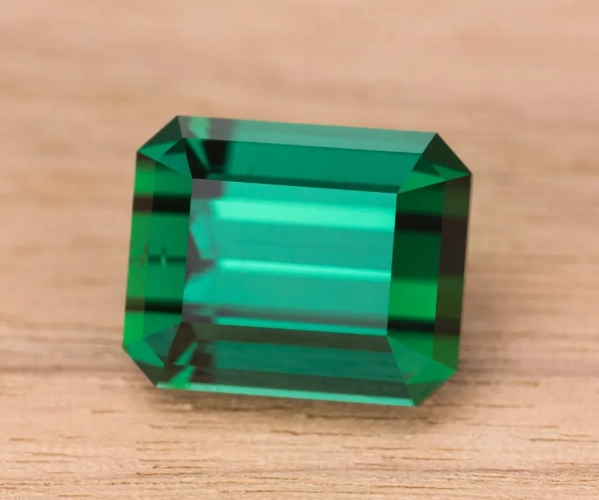
The most valuable colors are pure, vivid, and intense without any gray or brown masking the color. A slight shift in tone creates a massive price difference. A pink with a slight brown undertone is worth a fraction of a pure, vibrant hot pink. A green that’s slightly olive can’t touch the price of a crisp, emerald-like green.
Here’s an insider tip most blogs miss: be wary of color names in online listings. “Emerald green tourmaline” is often just a decent green, not the rare chrome-bearing green that commands top dollar. “Siberian red” is a marketing term, not a locality. Always, always judge by the photo/video, not the name.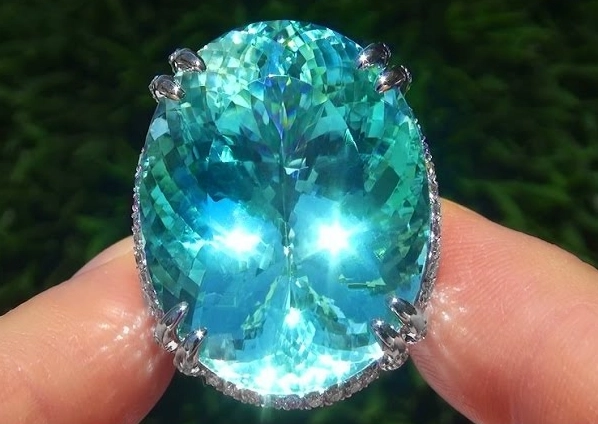
2. Clarity and Cut: The Hidden Multipliers
Tourmaline crystals are famously included. Finding a completely clean stone over 5 carats is rare and expensive. The market is forgiving of minor inclusions—tiny threads or liquid feathers—as long as they don’t deaden the color or create durability issues.
Cut is where you see the cutter’s skill. Tourmaline has a strong pleochroism (shows different colors from different angles). A great cutter orients the stone to show the best face-up color, even if it means losing some carat weight from the rough. A poorly cut stone looks windowed (see-through and lifeless in the center) or too dark. That discount isn’t a bargain; it’s a flaw.
3. Carat Weight: Not a Linear Scale
Tourmaline prices jump exponentially with size. A 1-carat vivid pink might be $400/ct. A 3-carat stone of the same quality isn’t $1,200; it’s more likely $2,000/ct because finding a larger piece of rough with consistent color is harder. Stones over 10 carats in fine quality are collector’s items and priced accordingly.
4. Treatment and Origin: The Certification Story
Most pink and red tourmalines are heat-treated to improve color. This is a stable, accepted practice that doesn’t significantly lower value—if disclosed. The real value killer is undisclosed treatment, like fracture filling or dyeing.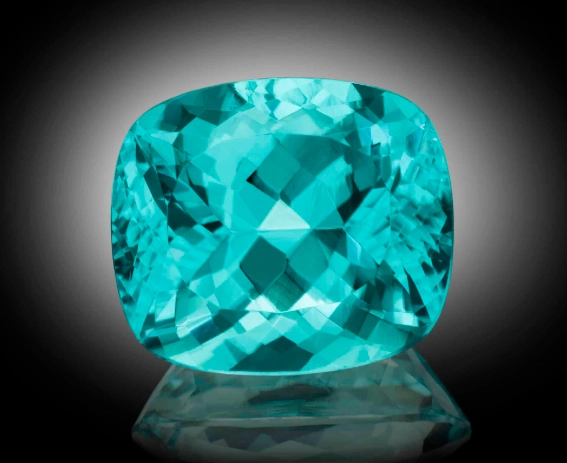
Origin matters immensely for certain colors. A copper-bearing blue-green tourmaline from Paraíba, Brazil, has a legendary status and price tag. A similar-looking stone from Mozambique, while still beautiful and valuable, trades at a different level. A report from a lab like the Gemological Institute of America (GIA) can confirm origin for high-end stones, directly impacting price.
A quick thought from experience: New buyers obsess over "untreated" stones. For tourmaline, while untreated is nice, a beautifully heated stone is far preferable to a dull, untreated one. Don’t let the "no heat" tag blind you to a stone’s actual beauty.
Tourmaline Price Ranges by Color (Per Carat, Commercial to Fine Quality)
This table gives you a concrete, ballpark figure. Remember, these are for well-cut, eye-clean to slightly included stones. “Commercial” means lighter or less saturated color; “Fine” means vivid, saturated, and desirable.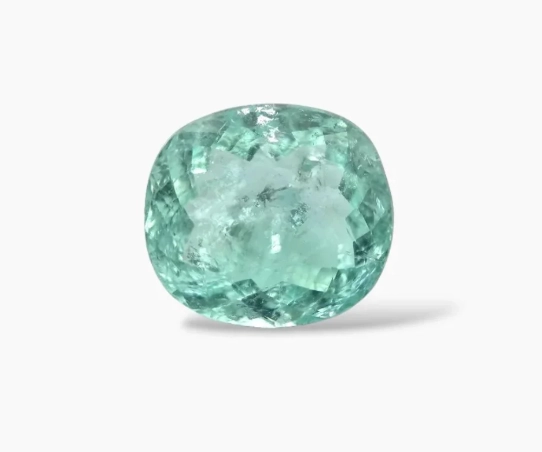
| Color Variety | Commercial Grade | Fine Quality | Top Collector/ Rare |
|---|---|---|---|
| Pink Tourmaline | $50 - $200 | $200 - $800 | $800 - $2,000+ |
| Green Tourmaline (Verdelite) | $40 - $150 | $150 - $600 | $600 - $1,500+ |
| Blue Tourmaline (Indicolite) | $100 - $400 | $400 - $1,500 | $1,500 - $4,000+ |
| Red Tourmaline (Rubellite) | $80 - $300 | $300 - $1,200 | $1,200 - $3,000+ |
| Watermelon Tourmaline | $60 - $250 | $250 - $1,000 | $1,000 - $2,500+ |
| Paraíba-Type (Copper-Bearing) | $500 - $2,000 | $2,000 - $8,000 | $8,000 - $15,000+ |
Smart Buying Tips & Common Pitfalls to Avoid
Armed with price knowledge, here’s how to shop like a pro.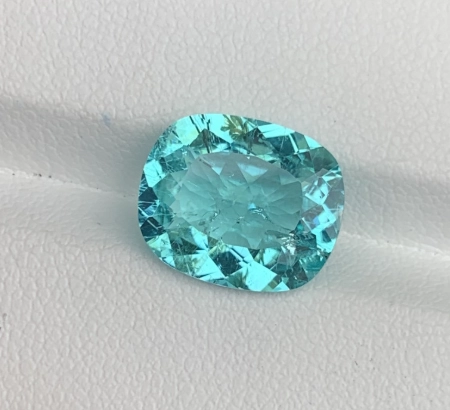
Prioritize color over size. A small, intensely colored stone will always look more expensive and jewel-like than a large, watery one. A 2-carat vivid gem beats a 5-carat weak one any day.
View stones in different lighting. Tourmaline can look amazing in a jeweler’s bright spotlight and dull in office or home lighting. Ask for a video or photo near a window. Does the color hold up?
For stones over $1,000, insist on a lab report. It’s not bureaucracy; it’s insurance. A GIA or AGL report confirms the identity, checks for treatments, and for high-end pieces, can note origin. It protects your investment and makes resale easier.
The online trap: Buying from a generic e-commerce site with stock photos is risky. Reputable dealers on platforms like eBay or specialized sites will provide detailed videos, mention treatments, and have return policies. If a price seems too good to be true for a described color, it almost always is—you’re likely getting a much lower saturation than pictured.
I once saw a client buy a “vivid Paraíba” online for a suspiciously low price. It arrived. It was a pale, grayish blue. The photo had been wildly enhanced. They spent months disputing the charge. A video under natural light would have revealed the truth instantly.