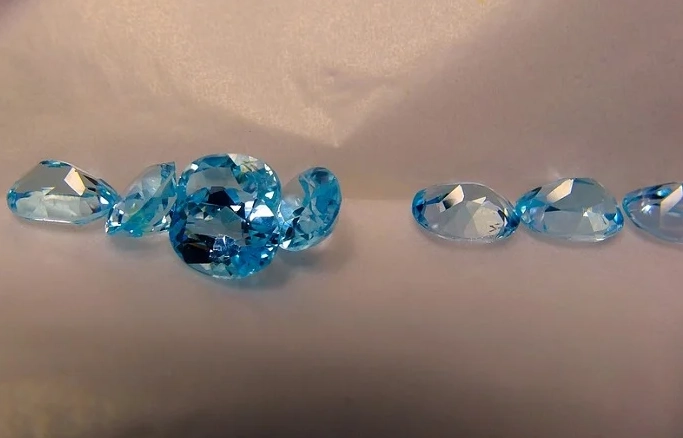
Ask anyone about topaz, and they'll probably mention a sky-blue stone. That's the image. But here's the thing – that barely scratches the surface of why this gem is fascinating. After years in the trade, I've seen collectors pay a fortune for a sherry-colored stone from Ouro Prêto while passing over common blue topaz. The specialness of topaz isn't one thing; it's a cocktail of misunderstood color, surprising durability, and a history tangled with mistaken identity. It's a gem that constantly plays tricks on both newcomers and seasoned buyers.
What You'll Discover
The Color Story: Beyond Just Blue
This is where most articles get it wrong. They list the rainbow of topaz colors and move on. The real story is in the origin of those colors and what it means for you.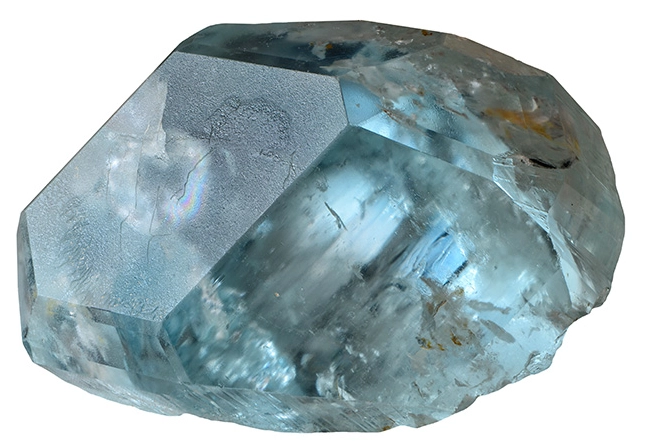
Natural Color vs. Treated Color: The vast, vast majority of blue topaz on the market – the Swiss Blue, London Blue, Sky Blue – is colorless material treated with irradiation and heat. It's stable, safe, and accepted in the trade. But it's not from the earth that way. If you're buying blue topaz, you're almost certainly buying a treated stone, and there's no shame in that. It's affordable and beautiful. The special, and far more expensive, colors are the natural ones.
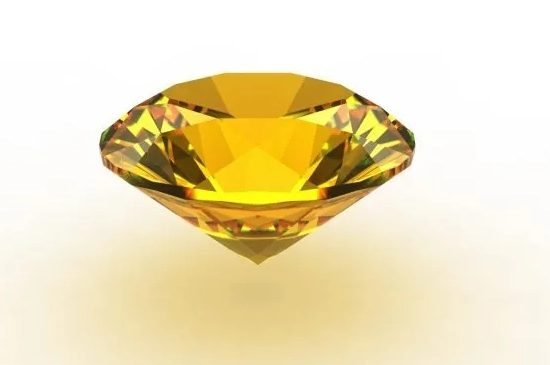
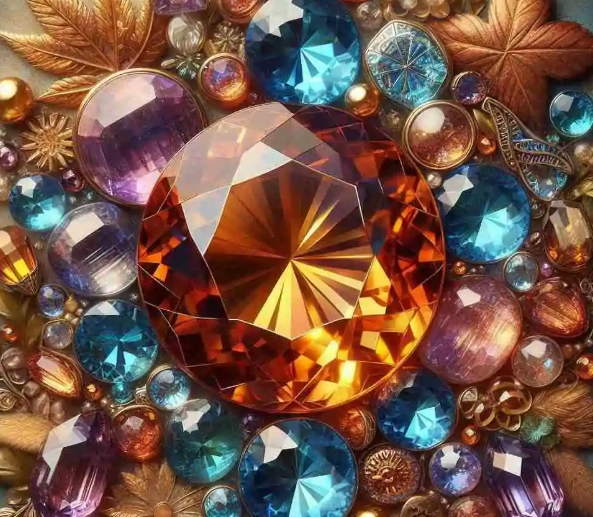
Key Insight: The most prized natural topaz color isn't blue. It's a rich, reddish-orange to pinkish-orange known as imperial topaz. The best comes from Minas Gerais, Brazil. Finding a vibrant, untreated imperial topaz over 2 carats is a serious challenge, and the price reflects that.
Then you have sherry tones (yellowish-brown), pale pinks (often from Pakistan), and the rare, vivid pink-to-red stones. Colorless topaz is abundant and often used as a more affordable, brilliant alternative to diamond in fashion jewelry. The American Gem Trade Association provides detailed fact sheets on these color varieties, noting their sources and characteristics.
I once had a client heartbroken because her "pink topaz" ring faded after years in the sun. It was a common, heat-treated stone from a dubious source. Natural color topaz is generally stable, but some treated colors can be light-sensitive. Always ask about treatment and care.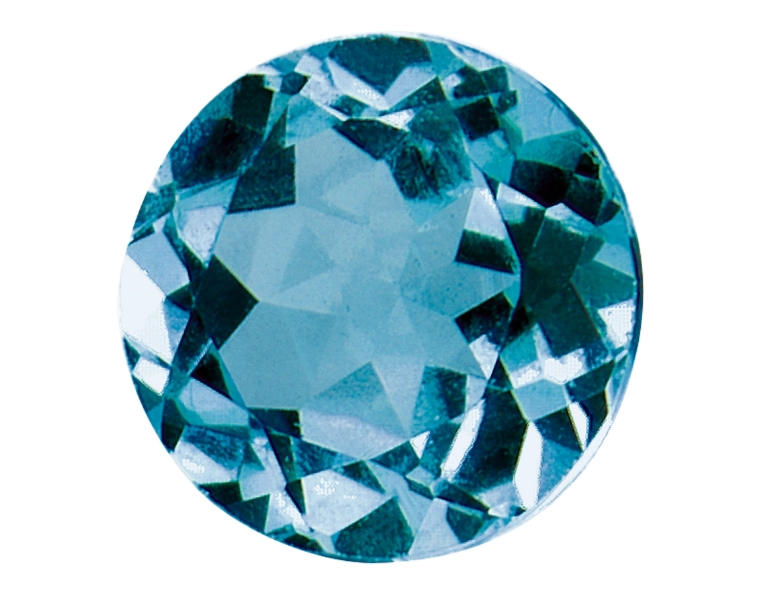
Hardness vs. Wearability: The Topaz Paradox
Topaz scores an 8 on the Mohs hardness scale. That sounds fantastic – diamond is a 10, sapphire is a 9. It should be tough as nails, right? Wrong. This is the biggest pitfall for new buyers.
Hardness measures resistance to scratching. Topaz does resist scratches well. But toughness – resistance to breaking or chipping – is a different story. Topaz has what we call perfect basal cleavage. In plain English, it has a direction in which it can split cleanly if hit hard enough.
I've seen more chipped topaz engagement rings than any other gem. A knock against a kitchen counter edge at the wrong angle is all it takes. This doesn't mean you shouldn't wear it daily. It means you need the right setting.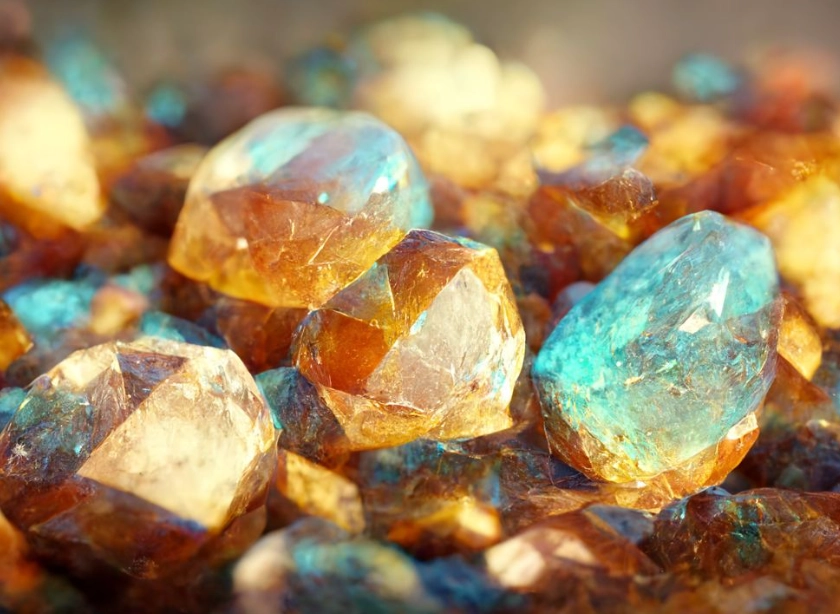
How to Set Topaz for Daily Wear
Avoid tall, exposed settings like a solitaire on thin prongs. Look for:
- Bezel settings: Metal surrounds and protects the girdle (the edge) of the stone.
- Channel settings: For side stones in a band.
- Lower profile designs: Where the stone doesn't protrude as much.
It's a gem that rewards careful design. Don't let a jeweller talk you into a dainty, high-set claw setting for a ring you plan to wear every day. It's asking for trouble.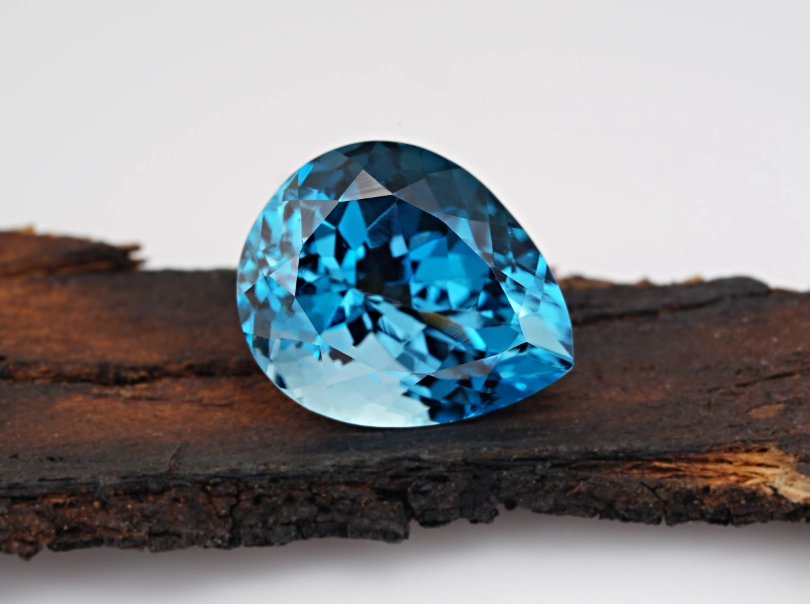
What Actually Drives Topaz Value?
Forget generic "4Cs" advice. With topaz, the hierarchy is specific.
- Color (and its Origin): Natural, saturated color (Imperial, vivid pink) tops the chart. Then come other natural hues (sherry, golden yellow). Treated blue is in its own, much more affordable, category.
- Clarity: Eye-clean stones are expected for most topaz. It's typically very clean. Visible inclusions can significantly lower value, except in rare collector specimens where the inclusion itself is the feature.
- Cut: A good cut brings out topaz's high refractive index (its brilliance). A poorly cut stone looks dead. Look for sharp, symmetrical facets and good light return.
- Carat Weight: Large sizes are common, especially in treated blue and colorless. So price per carat doesn't jump dramatically at larger sizes like it does with, say, ruby. For natural colors, large, clean stones become exponentially rarer.
| Topaz Type | Typical Color Origin | Relative Price Point (per carat) | Best Use |
|---|---|---|---|
| Imperial Topaz (Natural) | Natural from Brazil | High to Very High ($500 - $5000+) | Collector rings, pendants |
| Natural Pink/Red | Natural (rare) | Very High | Collector jewelry |
| Sherry/Golden Topaz | Natural | Medium to High | Statement rings, earrings |
| Blue Topaz (Swiss/London) | Treated (Irradiation & Heat) | Low to Medium ($10 - $100) | Everyday jewelry, accent stones |
| Colorless Topaz | Natural (common) | Low | Affordable brilliance, fashion jewelry |
Topaz vs. Quartz: The Endless Confusion
Historically, all yellow stones were called "topaz." Citrine (yellow quartz) still gets mis-sold as "topaz quartz" or just "topaz" in cheap jewelry. This is the most persistent mix-up.
Here’s how you can think about it: Citrine is warmer, often with a honey or amber tone, and has a softer, more waxy luster. Topaz has a cooler, more electric yellow or golden hue and a sharper, glassier brilliance. Topaz is also densier – a topaz will feel heavier than a citrine of the same size. If a deal on a "golden topaz" seems too good to be true, it's probably citrine. And that's fine, as long as you know and paid the quartz price, not the topaz price.