You type "onyx" into a search bar, and images of sleek, black cabochons and beads flood your screen. Jewelry descriptions confidently label deep black stones as "onyx." So, does onyx mean black? It's the assumption almost everyone makes. But here's the twist that most articles gloss over: the term 'onyx' in its pure mineralogical sense doesn't inherently mean black at all. In fact, the classic, banded onyx prized by the Romans and featured in countless cameos is usually white layered with black, brown, or red. The solid black variety we commonly call "onyx" today is often a different story—one involving treatment, marketing, and a bit of geological confusion. Let's cut through the noise and get to the heart of what you're really buying when you see that label.
What You'll Discover in This Guide
What Onyx Really Is (It's Not Just a Color)
Onyx is a variety of chalcedony, which is itself a microcrystalline form of quartz. Its defining characteristic, according to gemological authorities like the Gemological Institute of America (GIA), is its parallel banding. Think of it like a layered cake. These bands are typically black and white, but can also be brown, red, or tan. This banded onyx is the "true" onyx in scientific and classic lapidary terms.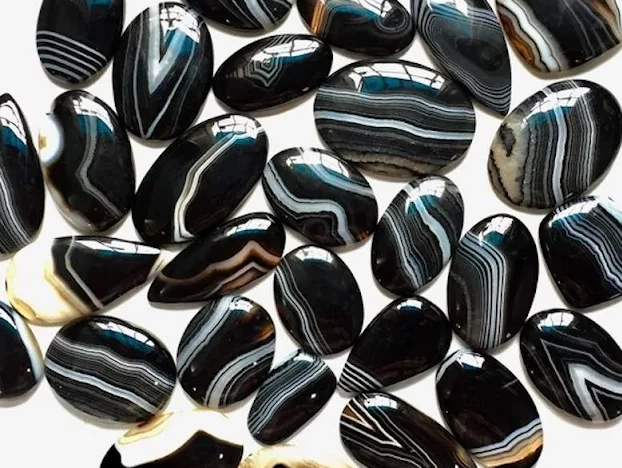
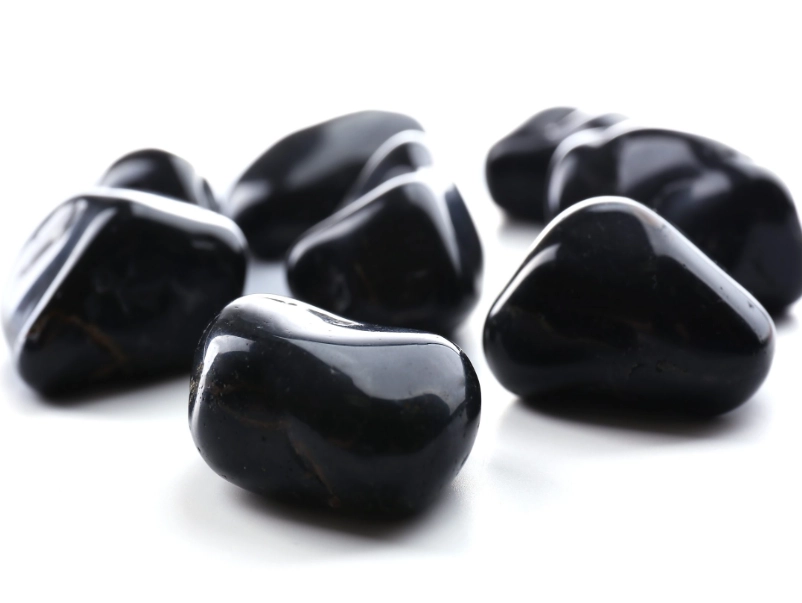
Where does the black come in? A specific subset of onyx exists where the bands are so fine and numerous, or where one color (usually black) is so dominant, that the stone appears solid black to the naked eye. This is black onyx. It's real, it's natural, but it's rarer than the jewelry industry would have you believe.
Key Point: Onyx is defined by its structure (parallel bands), not its color. "Black" is a description of a specific appearance some onyx can have, not the definition of the stone itself.
The Truth About Most "Black Onyx" on the Market
This is where experience in the gem trade changes your perspective. If you walk into a mainstream jewelry store or browse a major online marketplace, the vast majority of stones sold as "black onyx" are not naturally black. They are, in fact, agate or common gray chalcedony that has been artificially dyed.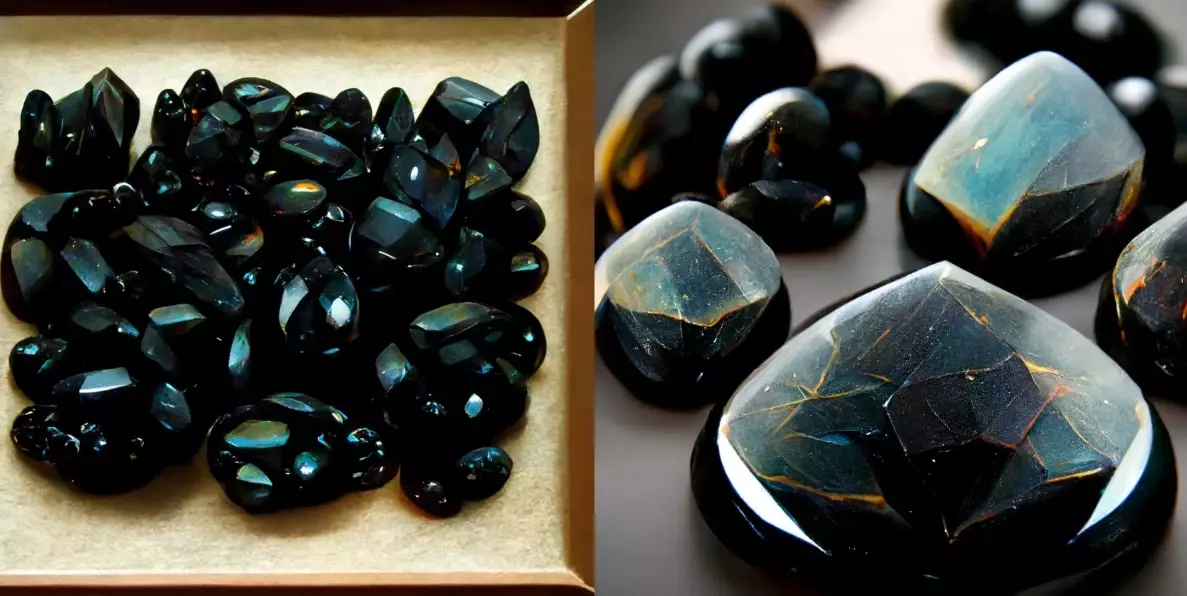
Why? Because naturally solid, deep black onyx is less common and more expensive to source. Agate, another form of chalcedony, is porous, plentiful, and takes dye exceptionally well. The dyeing process is simple, cheap, and produces a consistent, jet-black color that consumers have come to expect. The industry has accepted this as a standard practice for decades. So, when you ask "does onyx mean black?", in a commercial context, the answer is often "yes, because we made it that way."
Don't feel cheated just yet. Dyed black onyx is a legitimate product if sold transparently. The problem arises when it's marketed as "natural" or priced as if it were rare. A $50 men's ring claiming "natural black onyx" is almost certainly selling dyed material.
How to Tell if Your Black Onyx is Dyed
You don't need a lab. With a good eye and a strong light, you can spot clues.
- Look for Concentrated Color: Under a 10x loupe (or the macro lens on your phone), examine the stone closely, especially near edges or drill holes. Dyed stones often show concentrated color in cracks, pits, and along grain boundaries. It looks like tiny, dark spiderwebs or splotches of intense color.
- The Uniformity Test: Natural black onyx, while dark, can have slight variations in tone or minute, subtle banding. A perfectly uniform, inky blackness with zero variation is a red flag for dye.
- The Scratch Test (Caution): On a discreet spot (like the bottom of a cabochon), gently scratch with a sharp, hard point. If a black mark comes off easily, it's likely surface dye. Real onyx is hard (Mohs 7) and won't scratch this way. Only do this if you own the stone and accept the risk of a tiny mark.
How to Identify Genuine Black Onyx
So what should you look for if you want the real deal? Genuine, natural black onyx has a specific presence.
Its black isn't a flat, matte void. It's a deep, slightly translucent black with a waxy to vitreous luster. Hold a thin slab up to a very bright light, and you might see it glow a dark reddish-brown or deep amber at the edges—proof of its natural composition. It feels substantial and cool to the touch, a hallmark of quartz-based stones. Reputable dealers will specify "natural, untreated black onyx" and charge a premium for it. They might also provide a gemological report for high-value pieces.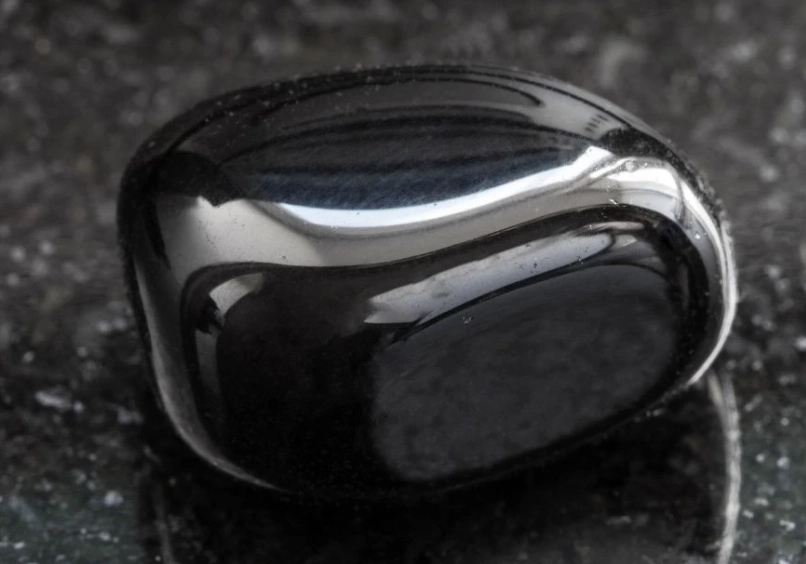
Onyx vs. Other Popular Black Stones: A Quick Comparison
Confusion doesn't stop at dye. Several other black gemstones get mixed up with onyx. Here’s a breakdown to clear things up.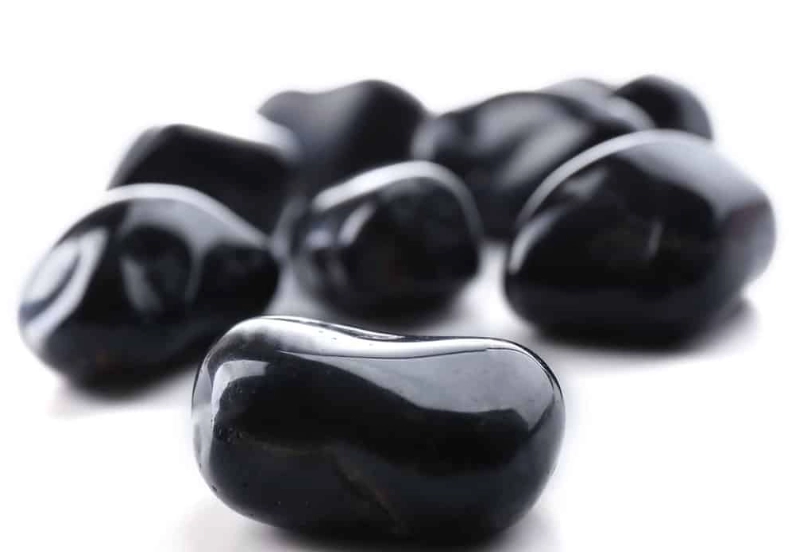
| Stone Name | What It Is | Key Difference from Onyx | Common Mix-Up |
|---|---|---|---|
| Onyx (Banded) | Layered chalcedony (quartz) | Defined by parallel color bands (e.g., white/black). | Often used for cameos and intaglios. |
| "Black Onyx" (Commercial) | Often dyed gray agate/chalcedony. | Artificially colored solid black. The most common type sold. | Marketed simply as "onyx." |
| Obsidian | Natural volcanic glass. | Softer (Mohs 5-5.5), often has a more brilliant, glassy shine and can contain speckles or sheen. | Sometimes sold as "black Apache tears" or rough nuggets. |
| Black Tourmaline (Schorl) | A crystalline boron silicate mineral. | Has striations along the length of crystals, is often opaque with a more metallic luster, and is pyroelectric (generates charge when heated). | Used in "grounding" jewelry. Looks different but name confusion happens. |
| Black Diamond | Polycrystalline or treated diamond. | Much harder (Mohs 10), has a distinctive adamantine luster (more brilliant than onyx's waxy look). | A luxury alternative, not a lookalike. |
| Black Spinel | A natural magnesium aluminum oxide mineral. | Higher luster, greater brilliance, and is a single crystal, not microcrystalline like onyx. | A rarer, more expensive natural black gem. |
I once had a client bring in a "black onyx" pendant they'd inherited. It felt unusually light and had an almost smoky transparency. A quick thermal conductivity test (it didn't feel as cold as quartz should) and a peek under magnification revealed conchoidal fractures—the telltale sign of glass. It was just black glass. The disappointment was real, but it cemented the rule: assume nothing based on color alone.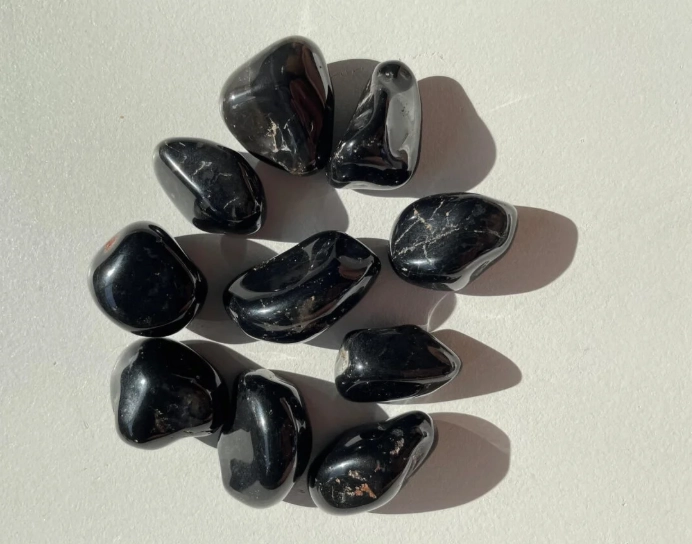
Your Top Onyx Questions, Answered
So, does onyx mean black? Not inherently. The word describes a banded stone first. The deep black version exists but is often simulated through dyeing—a practice so widespread it has reshaped the common definition. Your goal as a buyer isn't to avoid dyed onyx entirely (it's a fine, affordable option), but to understand what you're paying for. Look beyond the color. Ask about treatment. Examine the stone. Now you know that the question isn't just about color; it's about geology, commerce, and making an informed choice.