You see a flash of deep blue in a jewelry case, but when you move, it shifts to a rich violet. That's the magic of tanzanite color. It's not just one shade, but a dynamic interplay of hues that makes this gemstone utterly unique. Found in only one place on Earth—the foothills of Mount Kilimanjaro in Tanzania—tanzanite's color is its defining characteristic, its primary driver of value, and the source of endless fascination. Forget what you think you know about blue gemstones. Tanzanite's blue-violet spectrum operates by its own rules, influenced by crystal structure, light, and a little human help. Understanding this color is the key to appreciating its beauty, assessing its worth, and making a smart purchase, whether for a stunning ring or as a tangible piece of geological history.
Your Quick Guide to Tanzanite's Color
What Exactly is Tanzanite Color?
At its core, raw tanzanite is a brownish zoisite crystal. The legendary blue-violet color we adore is unlocked through heat treatment, a standard and accepted practice in the industry. But the science behind the color is where it gets interesting.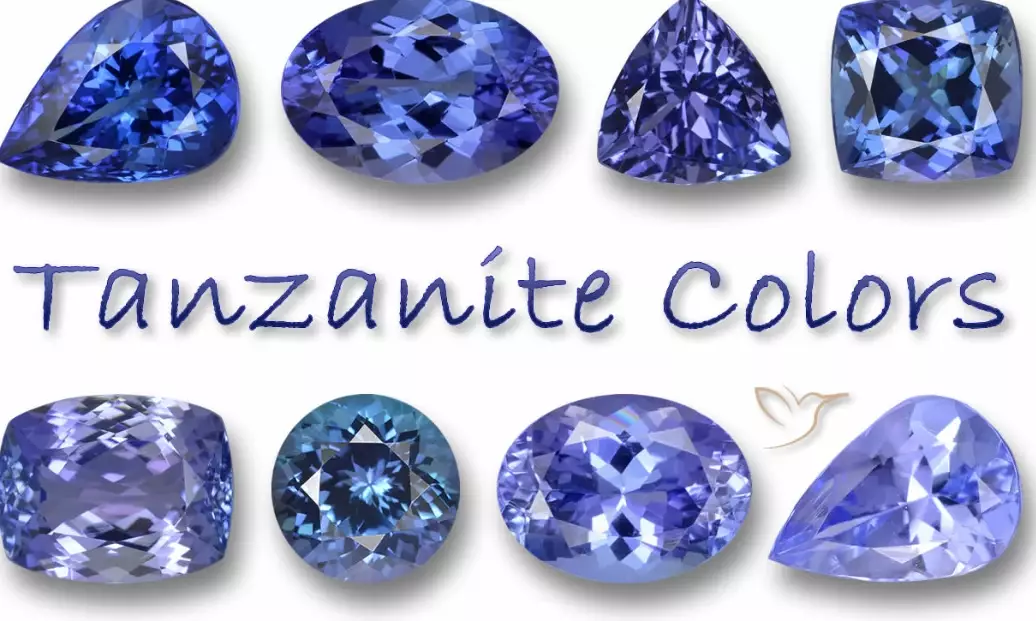
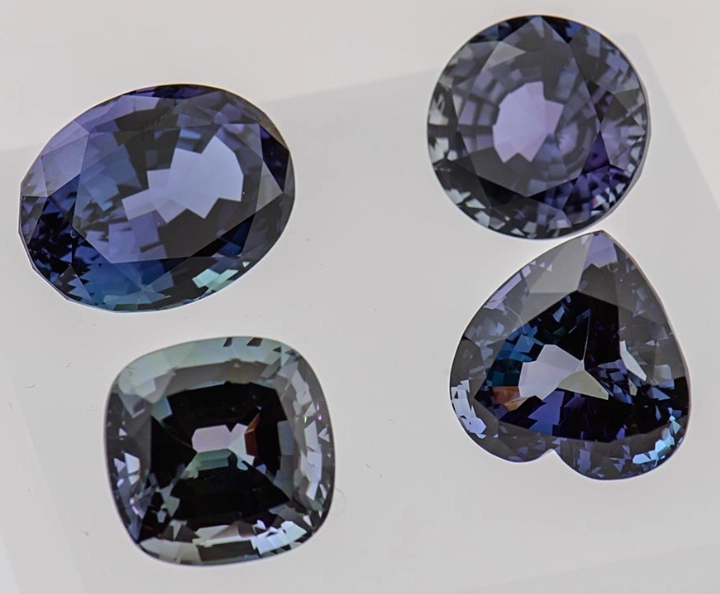
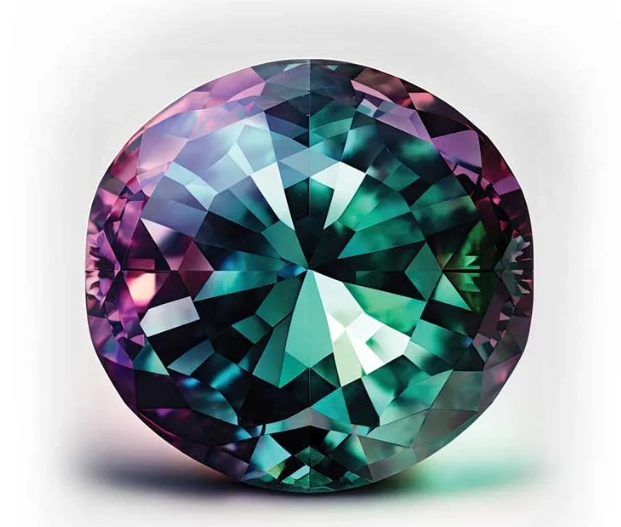
Tanzanite is trichroic. This gemological term means it shows three different colors depending on the angle you view it through the crystal: typically blue, violet, and burgundy-red. The final face-up color you see in a finished gem is a blend of these internal flashes. A cutter's skill lies in orienting the stone to maximize the most desirable blue and violet components, minimizing the reddish tones.
A Note on Heat Treatment: Nearly all tanzanite on the market is heated. This isn't a dirty secret; it's a necessary step to stabilize and enhance the color. The heat changes the oxidation state of vanadium impurities within the crystal, turning the brownish hues into that signature blue and violet. It's a permanent change. The American Gem Trade Association (AGTA) and other major labs consider this an acceptable enhancement that doesn't need disclosure in the same way filling or dyeing does. So, don't be wary of heated tanzanite—embrace it as part of the stone's story.
The Role of Pleochroism in Your Jewelry
This trichroism isn't just a lab curiosity. It has a direct impact on how your jewelry looks in real life. A well-cut tanzanite will have a vibrant, saturated color under most lighting. But move your hand, and you might catch a flash of a deeper, more violet tone. In candlelight or softer indoor lighting, the violet can become more pronounced, giving the stone a warmer, more romantic feel compared to the cooler blue of a sapphire under the same light.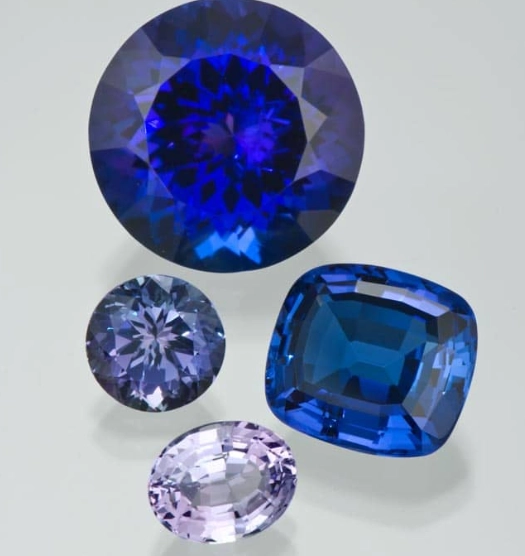
I've seen clients surprised when their new ring looks slightly different at home than in the store. It's not the stone changing—it's the light and the stone's inherent pleochroism playing together. It's a feature, not a bug.
How Color Grade Directly Dictates Value
With diamonds, it's the 4Cs. With tanzanite, color is king, and it outweighs almost every other factor. Clarity is generally good, and cut is important mainly for how it showcases the color. Carat weight matters, but a small stone with exceptional color can be worth more per carat than a large, pale one.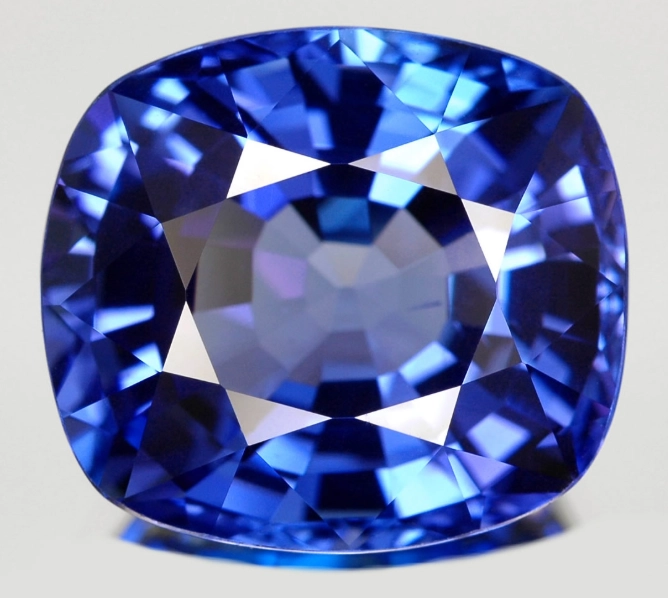
The trade uses specific terms to describe tanzanite color grades, primarily focusing on hue and saturation. Here’s a breakdown of what you’re really looking at, translated from gem dealer talk.
| Color Grade | What You'll See | Typical Price Range (Per Carat, VVS Clarity)* | Best For |
|---|---|---|---|
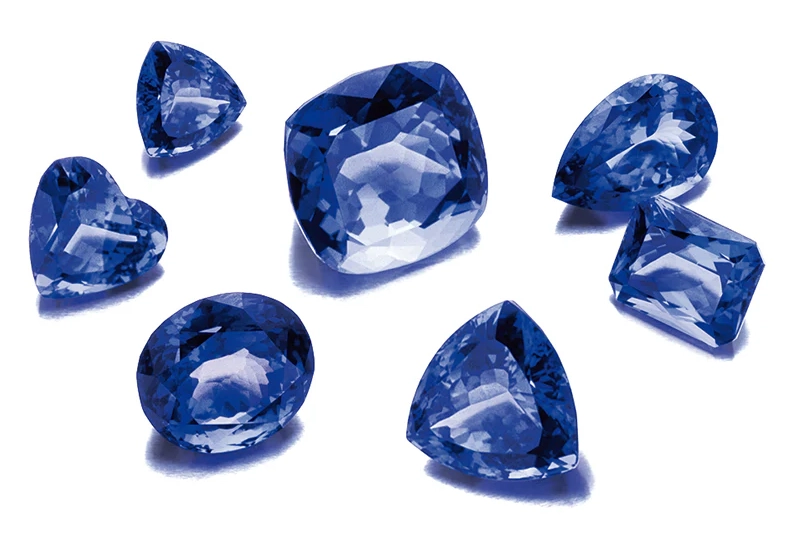
| Vivid Blue / Exceptional Blue | A saturated, intense medium to dark blue with strong violet secondary hues. The "wow" factor is high. This is the top tier. | $600 - $1,500+ | Center stone jewelry, serious collectors, investment pieces. |
| Intense Blue / Fine Blue | A rich, pleasing blue with noticeable violet. Deeply colorful but may not have the same electric saturation as the top grade. | $300 - $800 | Beautiful, high-quality jewelry for daily wear or special occasions. |
| Medium Blue / Commercial Blue | A lighter, more pastel blue or a blue with a stronger, dominant violet (sometimes called "lavender" tone). Still attractive but less saturated. | $100 - $350 | Accent stones, fashion jewelry, or entry-level pieces where size is a priority over color intensity. |
| Light Blue / Pale | A very light, often grayish-blue or very pale violet. Lacks depth and saturation. | $50 - $150 | Very budget-conscious pieces or beads. Often lacks the classic tanzanite appeal. |
*Prices are highly approximate and can vary dramatically based on cut, exact saturation, and market trends. They illustrate the massive value jump between grades.
The most common mistake I see? Buyers getting seduced by a large carat weight in a lower color grade. A 5-carat pale stone will never have the visual impact or hold its value like a 2-carat Vivid Blue stone. The color is the asset.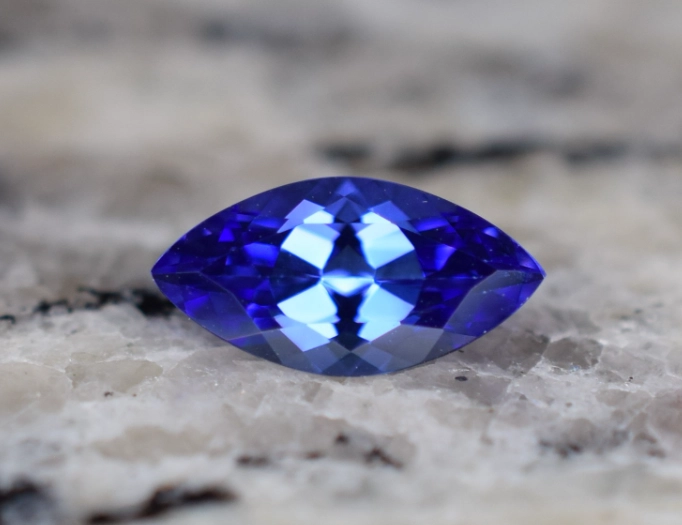
How to Buy a Tanzanite Based on Color
Let's get practical. You're looking at stones online or in a store. How do you apply this knowledge?
First, ignore the label. Terms like "AAA" or "Heirloom" are marketing, not standardized grading. One dealer's "AAA" is another's "Fine." You must look with your own eyes.
Ask about the lighting. Are you viewing it under a bright, neutral LED? That's good. Under a yellow incandescent bulb? The blue will look richer and more saturated than it actually is. A reputable seller will show you the stone under different light sources, including moving it near a window for natural light.
Compare side-by-side. If possible, look at two or three stones of different qualities together. The difference between an Intense Blue and a Vivid Blue becomes glaringly obvious when they're next to each other. The Vivid stone will look like it has a light inside it; the Intense stone will look very nice, but slightly flatter.
Consider the setting. Yellow gold will emphasize the violet secondary hues in the stone, creating a warmer, more regal look. White gold or platinum will make the blue tones pop, giving a cooler, sapphire-like appearance. Personally, I love tanzanite in yellow gold—it celebrates the stone's unique duality.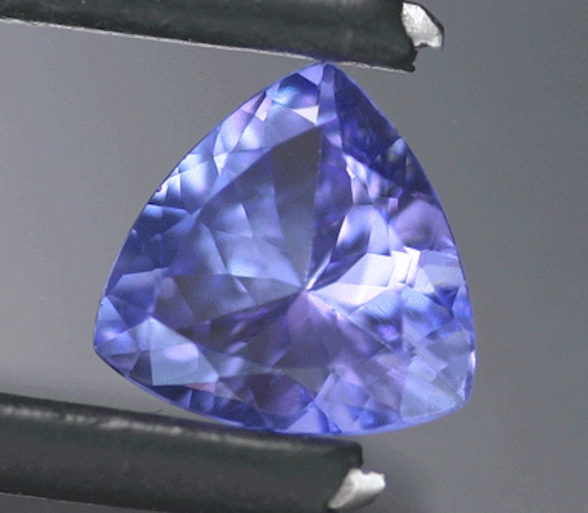
A Specific Buying Scenario: The Online Purchase
You're buying from a trusted online retailer. They have a video (they should always have a video). Watch it full screen. Does the color look consistent as the stone rotates, or does it go lifeless in certain directions? That's a sign of poor cutting or a weaker color grade. Read the return policy carefully. Any reputable seller will give you a few days to view the stone in person under your home lighting. Use that time.
Protecting Your Tanzanite's Color Forever
Tanzanite is a 6.5 on the Mohs hardness scale. That means it's softer than sapphire or diamond and can be scratched. More critically for color, it has perfect cleavage, meaning it can split if struck sharply on the wrong angle.
But here's a subtle point about color care that's often missed: ultrasonic cleaners are a hard no. The vibrations can travel along cleavage planes and damage the stone. Steam cleaners can also be risky with heat-treated gems, though the risk is lower. The safest method? Warm water, mild dish soap, and a soft toothbrush. Rinse and dry with a lint-free cloth.
Store it separately from harder gems. A fabric-lined box or a pouch is perfect. For a ring, consider a bezel or a protective V-prong setting if it's for daily wear. The color is permanent, but the gem holding it needs a little thoughtful care.