So you're drawn to blue gemstones, and you've narrowed it down to two stunning contenders: the velvety blue of tanzanite and the classic depth of sapphire. It's a tough call. I've spent over a decade in the gem trade, and I still see clients agonize over this choice. It's not just about picking a prettier blue. It's a decision that hinges on your lifestyle, your budget, and what you want this stone to represent. Is it a daily-wear piece? An heirloom investment? Let's cut through the marketing hype and compare them where it really matters.
Quick Navigation: What You'll Learn
The Core Differences at a Glance
Before we dive deep, here's the cheat sheet. This table sums up the battle lines.
| Feature | Tanzanite | Sapphire |
|---|---|---|
| Origin & Rarity | Found only in a few square miles near Mount Kilimanjaro, Tanzania. Geologically speaking, it's a one-off miracle. | Mined in several countries (Sri Lanka, Madagascar, Australia, Montana). More available, though fine quality is always rare. |
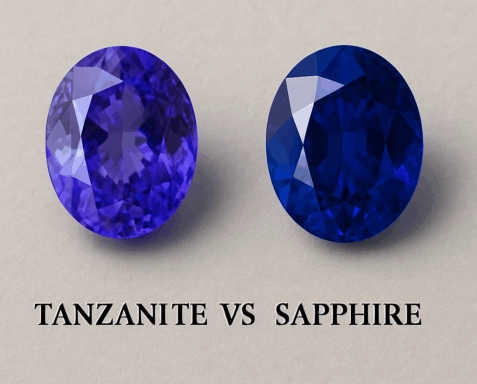
| Color | A unique violetish-blue to pure blue. Often shows pleochroism (different colors from different angles). The color can be less stable in extreme heat. | Ranges from cornflower blue to deep royal blue. Kashmir sapphires have a legendary velvety look. Color is extremely stable. |
| Hardness (Mohs Scale) | 6.5 to 7. Good, but requires more care. Not ideal for an everyday ring worn recklessly. | 9. Second only to diamond. The benchmark for durability in colored stones. Perfect for daily wear. |
| Typical Treatment | Nearly all (95%+) are heat-treated to enhance the blue color. This is a stable, accepted practice. | Heat treatment is very common to improve color and clarity. Unheated stones command a significant premium. |
| Price Point (for good quality) | Generally more affordable per carat than an equivalent blue sapphire. You get more color for your money upfront. | Commands a higher price per carat, especially for unheated stones with top color. The brand name has a cost. |
That table tells a story, but the real-life implications are what matter. Let's talk about that durability number. A 6.5-7 hardness for tanzanite isn't fragile, but it's in the "be mindful" zone. I've seen tanzanite rings worn for years with no issues because the owners were careful. I've also seen a badly chipped one from someone who wore it while gardening. Sapphire's 9 rating? You can practically forget about it. That difference is everything for an engagement ring or a right-hand ring you never take off.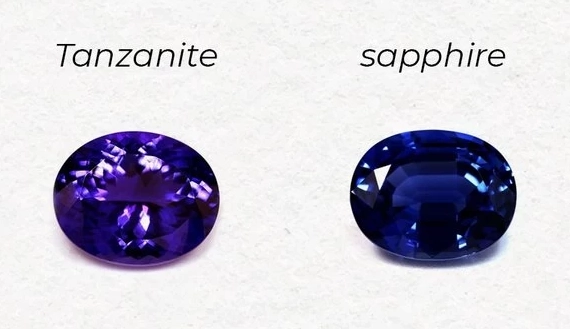
My Take: The "rarity" argument for tanzanite is real, but often oversold. Yes, it's from one place, but there's still a lot of commercial-grade material. The true rarity is in top-color, eye-clean stones over 5 carats. With sapphire, rarity is about origin and treatment. A fine, unheated Burmese or Kashmir sapphire is arguably rarer than most tanzanite.
How to Choose Between Tanzanite and Sapphire
Forget generic advice. Your lifestyle and goals should drive this.
Choose Tanzanite if...
- You want maximum color impact on a budget. A few thousand dollars gets you a spectacular, sizable tanzanite. A sapphire of similar size and saturation might cost 5-10 times more.
- The piece won't face daily abrasion. Think earrings, pendants, or occasional-wear rings. These are perfect for tanzanite.
- You love unique, modern stories. Tanzanite is a 20th-century discovery with a compelling geographic tale. It feels contemporary.
- You're okay with a little extra care. This means taking it off for dishes, gym, and gardening. It's not high-maintenance, but it's not "set it and forget it."
Choose Sapphire if...
- Durability is non-negotiable. This is the default for engagement rings for a reason. It survives generations of wear.
- You value tradition and provenance. Sapphires are steeped in history, from royal collections to ancient lore. An heirloom piece screams sapphire.
- You want a stone that holds value predictably. The market for fine sapphires is deep and established. It's a known quantity.
- You desire color consistency. A sapphire's blue looks the same from every angle. Tanzanite's pleochroism can show flashes of violet or grey depending on the cut, which some love and others find distracting.
Here's a scenario I see all the time. A client wants a big, blue center stone for under $8,000. With a sapphire, they're looking at a 1-carat stone of decent quality, maybe 1.5 carats if they compromise on color or clarity. With tanzanite, they can get a stunning 3-4 carat eye-clean stone that stops people in their tracks. The choice becomes: smaller and bombproof, or larger and more delicate? There's no wrong answer, just a clear trade-off.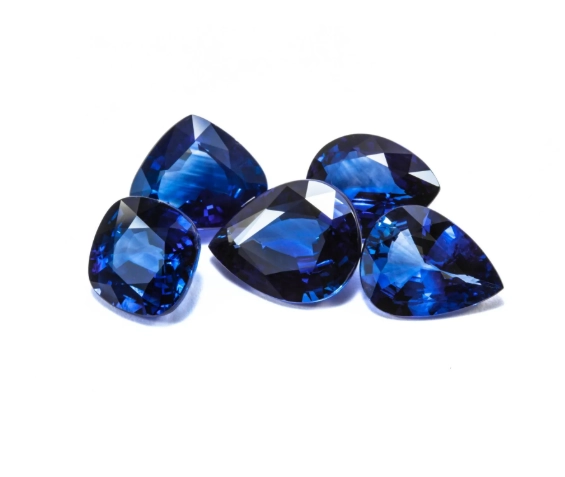
Investment Potential and Market Myths
Let's be brutally honest about money. The most common sales pitch for tanzanite is: "It's only found in one place, the mines will run out soon, so buy it as an investment!" I'm skeptical of this as a primary reason to buy.
First, "soon" in mining terms could be decades. Second, investment-grade means top 1% quality—vivid blue, flawless clarity, excellent cut, and documented origin. Most retail tanzanite isn't that. It's beautiful jewelry, not a stock certificate.
Sapphire has a more mature and liquid investment market. A certified unheated Burmese or Kashmir sapphire from a renowned lab like GIA or Gübelin has a clear value trajectory. But again, you're paying a steep entry price for that potential.
The better approach? Buy the stone you love to wear. Consider any future value a bonus. If you're spending over $15,000, then investment factors should seriously enter the conversation, and you need expert guidance and proper certification.
Common Mistakes Buyers Make (And How to Avoid Them)
After years in the business, patterns emerge. Here's where people stumble.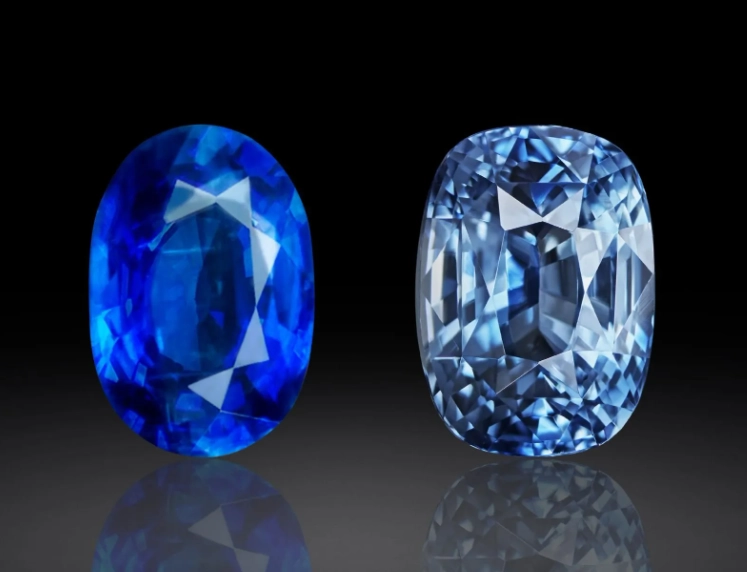
Mistake #1: Ignoring the cut for color. Especially with tanzanite. A cutter might orient the rough to keep weight (and price) high, resulting in a stone that looks too violet or too dark in normal lighting. Always ask to see the stone under different light sources—daylight, office light, and home lighting. A great cut maximizes the blue face-up.
Mistake #2: Assuming "untreated" is always better. For sapphires, unheated stones are rare and valuable. For tanzanite, an untreated stone is incredibly rare and often shows a brownish or yellowish component. The heat treatment is benign, permanent, and expected. Don't pay a huge premium for an "untreated" tanzanite unless you've seen it and love its natural color—which is usually not a pure blue.
Mistake #3: Not insuring the piece. This goes for both. Get a proper appraisal from a graduate gemologist (GG) or similar and insure it immediately. For tanzanite, it protects against loss or damage. For sapphire, it protects your significant financial outlay.
Your Questions, Answered
The final word? This isn't about one gem being objectively better. It's about which one is better for you. Sapphire is the safe, timeless, durable champion. Tanzanite is the vivid, rare, value-packed challenger that asks for a little more care. Hold both in your hand if you can. See which blue speaks to you. Then, match that feeling to the reality of how you'll wear it. That's how you make a choice you'll love for decades.