You see a stunning violet-blue gem in a jeweler's window. It's captivating, unique, and then you check the price tag. Your first thought: Why is tanzanite so expensive? It's not a diamond or a ruby, gems with millennia of fame. The answer isn't simple marketing. The high price of tanzanite is locked into its geology, its politics, and a ticking clock. I've been sourcing gemstones for over a decade, and tanzanite's story is one of the most compelling—and misunderstood—in the trade. Let's cut through the sales pitches and look at what you're really paying for.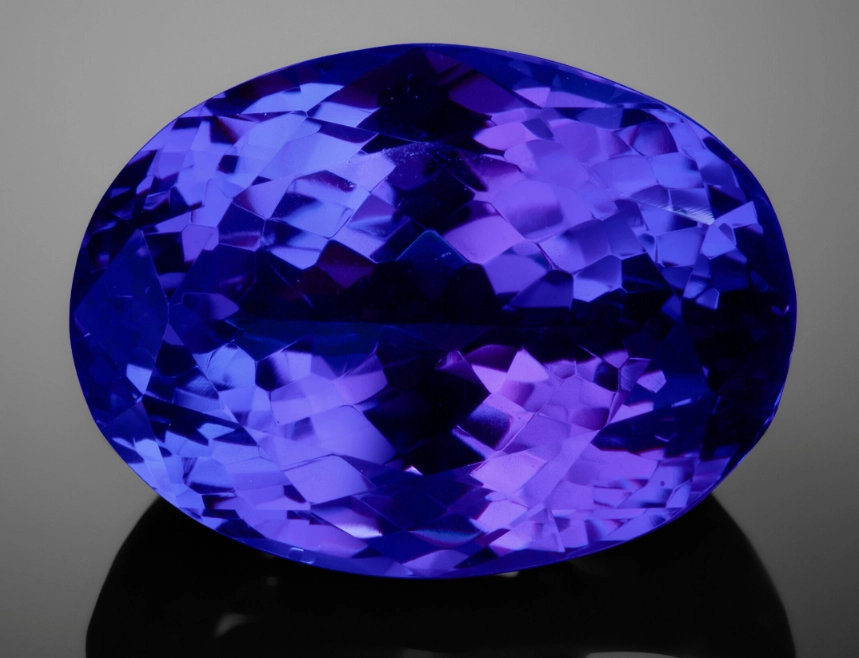
What You'll Discover
The One-Mine Wonder: A Geological Lottery
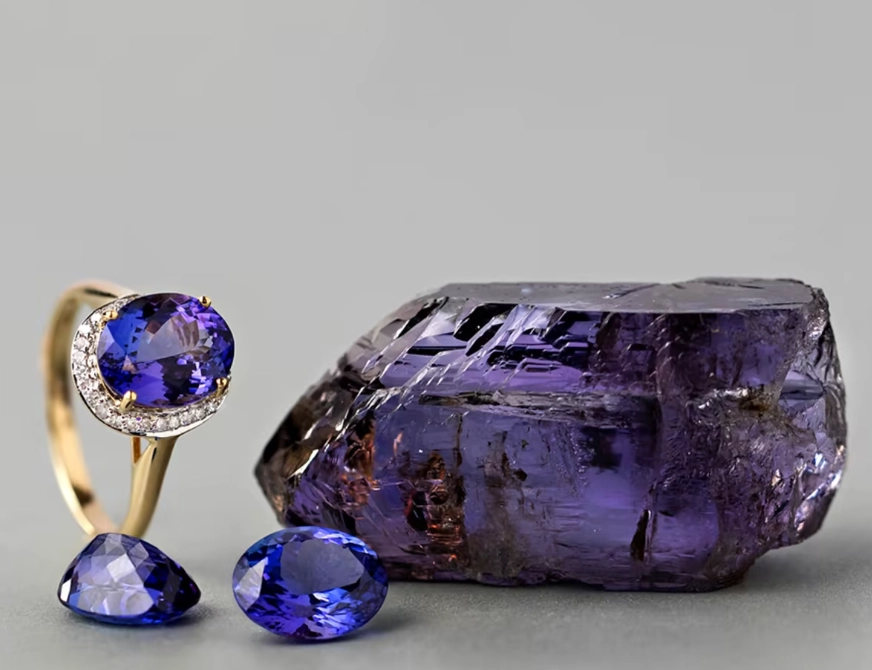
This is the biggest factor, and it's non-negotiable. Tanzanite is found in one place on Earth: a mere 8-square-mile area near Mount Kilimanjaro in Tanzania. Think about that. All the tanzanite jewelry, all the loose stones, everything comes from this tiny, specific patch of land. Geologists call this a "singular geological event." The conditions needed to form tanzanite—specific heat, pressure, and the presence of vanadium—were a freak accident of nature.
Compare that to sapphires (found on multiple continents) or even emeralds (mined in Colombia, Zambia, Brazil). Their supply is diversified. Tanzanite's isn't. This creates a natural scarcity that drives up base cost.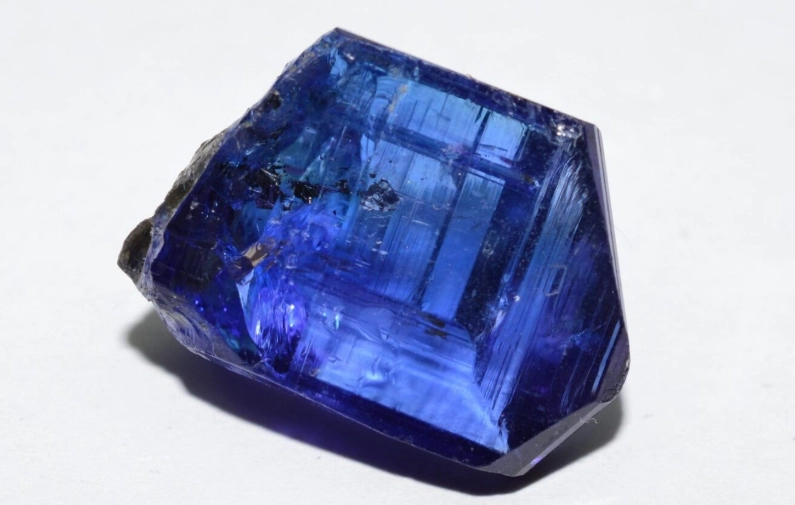
Here's a perspective most blogs miss: The mining isn't done by massive, mechanized corporations like De Beers. It's largely artisanal. Miners work in difficult, often dangerous conditions. The political stability of the region directly impacts supply. When there's tension or new regulations, the flow of stones slows, and prices jump overnight. You're not just paying for the stone; you're paying for the immense difficulty of getting it out of that one, precarious hillside.
Color is King: The Grading Maze
If geology sets the floor, color sets the ceiling. With tanzanite, color is everything. Forget carat weight for a second. A large, pale lilac stone can be worth less than a small, intensely saturated violet-blue one.
The trade uses a scale, often unofficially, to describe this. It's where the term "AAA" gets thrown around loosely by retailers. Let's decode what you're actually looking at.
| Color Grade (Trade Term) | What It Looks Like | Impact on Price |
|---|---|---|
| Exceptional (AAAA / Top Vivid) | A deeply saturated, pure violet-blue with high brilliance. No visible gray or brown undertones. The "wow" factor. | Premium. Can be 5-10x the price of a commercial grade stone of the same size. |
| Fine (AAA / Vivid) | Strong, desirable violet-blue color. Good saturation. The sweet spot for many collectors—excellent color without the ultra-premium tag. | High. Represents the best value-for-color for serious buyers. |
| Good (AA / Medium) | Pleasant, lighter blue or violet hue. Often what you see in mall jewelry stores. Pretty but not intense. | Moderate. The "accessible" price point. |
| Commercial (A / Light) | Pale, often with noticeable gray or brownish tones. Requires optimal lighting to show color. | Low. This is where the "expensive" label starts to fade. |
A critical note on heat treatment: Over 95% of tanzanite is heated to produce its signature blue. This is a stable, accepted practice. The key is that the best rough already has the color potential; heat just unlocks it. Low-quality rough won't turn into top color no matter how much you heat it. Don't let a seller use "unheated" as a major price driver unless it's a truly rare, naturally blue specimen (which is extraordinarily uncommon).
The Cutting Calculus: From Rough to Rare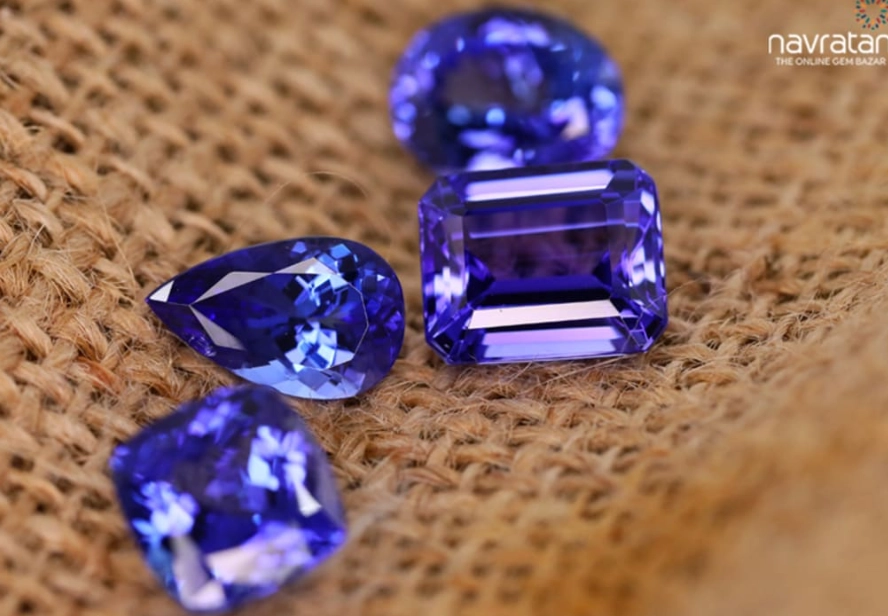
Tanzanite is a pleochroic gem, meaning it shows different colors from different angles (typically blue, violet, and burgundy). A skilled cutter must orient the rough to maximize the most desirable blue-violet face-up. This often means sacrificing sheer weight.
Let me give you a real example from my own experience. I once bought a 25-carat piece of rough that had a beautiful blue flash in one section. To cut a stone that showed that pure blue face-up, I had to cut away over 60% of the material. The final stone was under 10 carats. The "yield" was terrible, but the color was spectacular. That loss—that calculated sacrifice—is built into the price of every well-cut tanzanite. A poorly cut stone that retains weight but has a washed-out or windowed center is a bad deal, no matter how big it is.
Your Tanzanite Value Checklist
When evaluating a stone, walk through this list in order of importance. A common mistake is focusing on size first.
Color Saturation: Is the color rich and vivid even in normal indoor light? Hold it away from the spotlight.
Hue: Do you prefer a more blue or more violet stone? Personal preference matters, but the classic "Tanzanite blue" commands a slight premium.
Cut Quality: Does it sparkle? Are there dark, dead areas in the center (a "window")? A good cut reflects light back to your eye.
Clarity: Tanzanite is a Type I gemstone, meaning it's typically eye-clean. You shouldn't see obvious inclusions without magnification. A heavily included stone is less durable and less brilliant.
Carat Weight: Now consider size. Prices per carat increase significantly at milestone weights (e.g., over 5ct, over 10ct) for top-color material.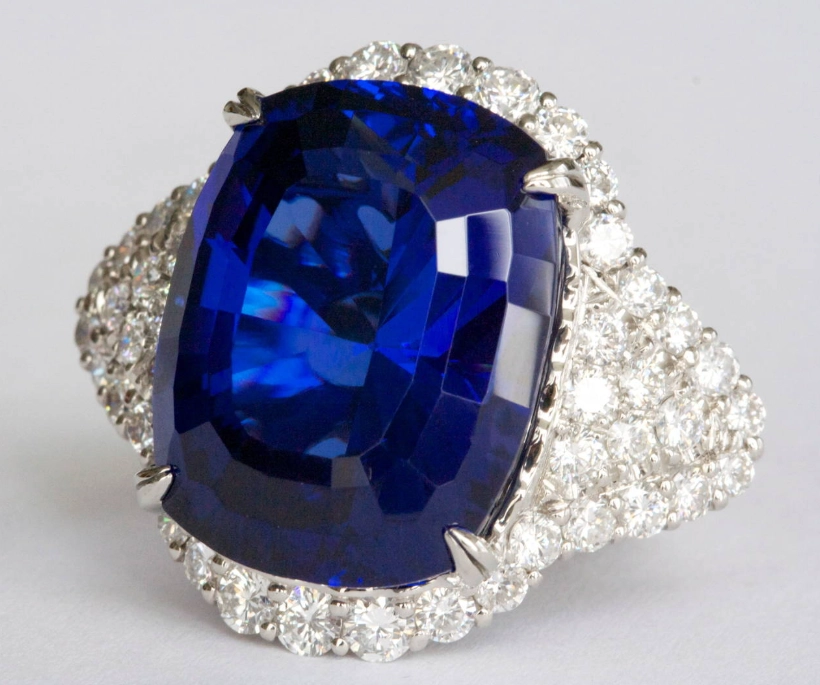
Buying Smart: How to Avoid the Tourist Trap
So, you want to buy tanzanite. The pitfalls are numerous. I've seen people pay double for a stone labeled "AAA" that was, at best, an A.
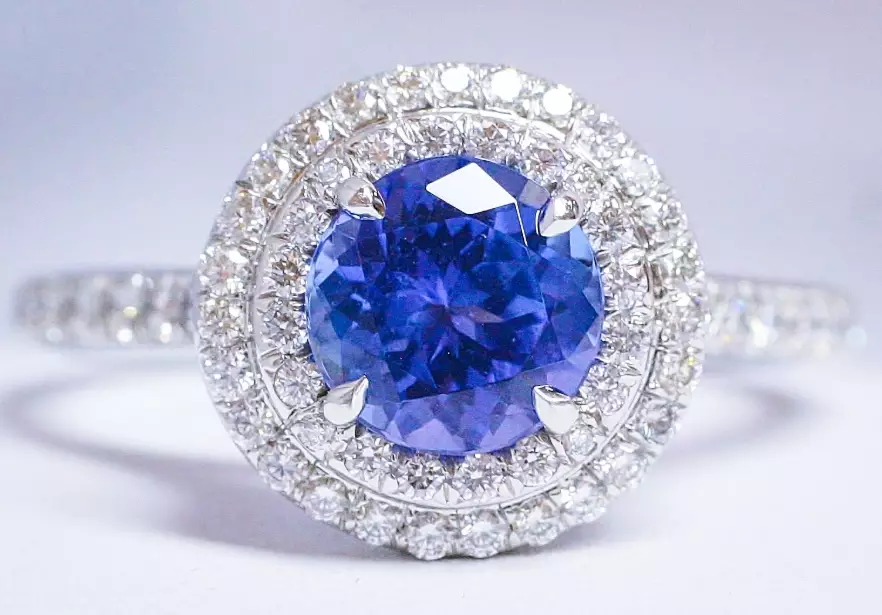
First, decide on your setting. Tanzanite is relatively soft (6.5-7 on the Mohs scale). It's not ideal for a daily-wear ring like an engagement ring unless set in a protective bezel or with a halo. For pendants and earrings, it's perfect.
Where to buy? Reputable, specialized gemstone dealers or jewelers who provide a proper lab report (from GIA, AGL, or Gubelin) for stones above a certain value. This report is your neutral third party. It won't use "AAA" but will describe color, dimensions, and any treatments.
Avoid impulse buys at tourist locations. The shops near the mines in Arusha or at cruise port stops are notorious for high-pressure sales and inflated grades. Their "fantastic deal" is usually the opposite. If a price seems too good to be true for the color and size, it is.
Ask the seller direct questions: "Can you show me stones of different color grades side-by-side?" "What is the yield loss typically for a stone this color?" Their answers will tell you if they know their craft.
Tanzanite as an Investment: Wise or Wistful?
The "it will run out in 20 years!" line is a classic sales tactic. The truth is murkier. While the deposit is finite, predicting its exhaustion is guesswork. New pockets are found, mining technology changes.
That said, investment-grade tanzanite—defined as top vivid color, excellent cut, and clean clarity in sizes over 5 carats—has shown steady appreciation. It's a collectible luxury item, like fine art. The market is smaller and less liquid than diamonds.
My advice? Don't buy tanzanite purely as a financial investment. Buy it because you love its unique color and story. View any potential appreciation as a bonus. If you do invest, think long-term (decades) and always buy the absolute best quality you can afford. A mediocre stone won't hold value like a superb one.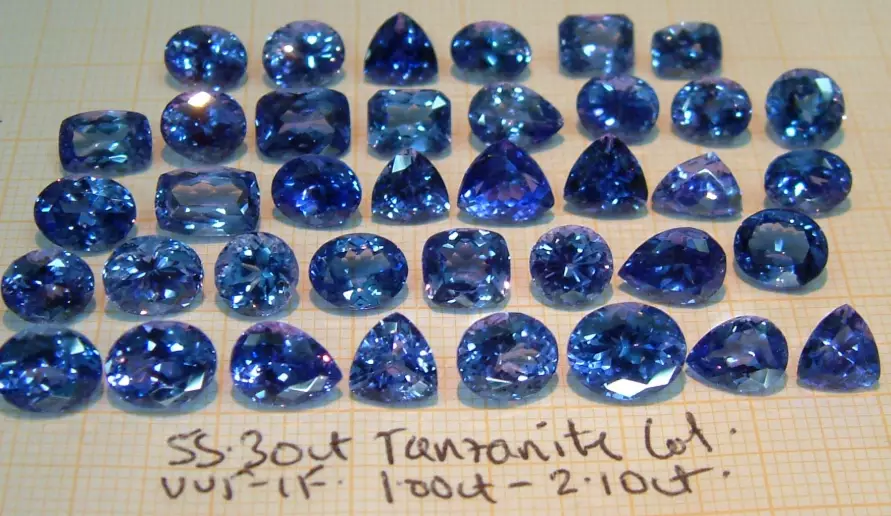
Your Burning Questions Answered
Is it safe to buy tanzanite on a trip to Tanzania or from an online marketplace?
Tanzania: Extreme caution is needed. Only buy if you are an expert or are with a trusted, independent local guide (not one provided by the shop). Insist on a verifiable certificate from a major lab. Online: Stick to established dealers with clear return policies, high-resolution videos in multiple lights, and certification for valuable stones. A blurry photo is a red flag.
What's a reasonable price per carat I should expect to pay?
This varies wildly. As a very rough 2023-24 guide: Commercial grade (A) might be $50-$200/ct. Good (AA) $200-$600/ct. Fine (AAA) $600-$1500/ct. Exceptional (AAAA) can range from $1500 to over $5000 per carat, especially for larger stones. These are for the gemstone only, not set in jewelry.
 How can I tell if my tanzanite's color grade is accurate or just a sales label?
Compare it. Ask the seller to show you stones they grade as A, AA, and AAA side-by-side. The difference should be stark. If all their stones look the same but have different grade labels, walk away. The best proof is a lab report that describes the color in detail, not with letter grades.
I've heard tanzanite is delicate. How do I care for my expensive piece?
It's softer than quartz. Never use ultrasonic or steam cleaners. The vibrations and heat can cause fractures. Clean with warm water, mild soap, and a soft brush. Store it separately from harder gems like diamonds, sapphires, or even metal that can scratch it. Remove it before physical activities, gardening, or using harsh chemicals.
 Are there any convincing synthetic or imitation tanzanites I should watch out for?
There is no widespread, commercial synthetic tanzanite like there is for sapphire. The main imitators are cheaper natural stones like iolite (which is more gray-blue and less brilliant) or synthetic forsterite, and of course, glass. The best defense is buying from a reputable source. A $50 "5-carat tanzanite" is absolutely glass.