Let's clear this up right away: yes, amber is a gemstone. It might not be a crystal like a diamond or a ruby, but in the world of gemology, it's celebrated as a major organic gem, right alongside pearls and coral. If you've ever held a piece of warm, honey-colored amber with a tiny insect forever suspended inside, you know it's magical. But most of what you find online is surface-level. We're going deeper. I've been collecting and studying amber for over a decade, and I've seen too many people overpay for treated copal or ruin a beautiful piece with the wrong care. This guide isn't just a list of facts; it's your roadmap to understanding amber's real value, keeping it safe, and making smart choices whether you're buying a necklace or a museum-worthy specimen.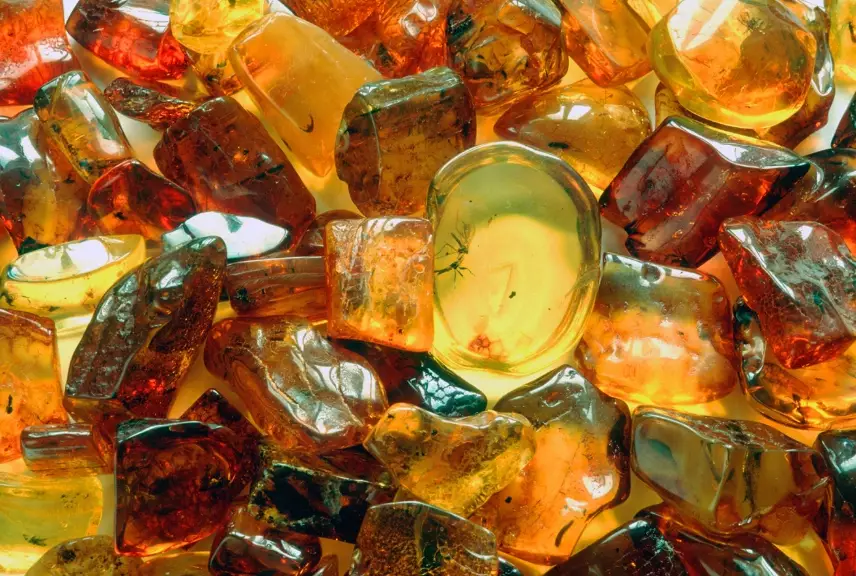
What's Inside This Guide?
- What Exactly is Amber? The Science Simplified
- How to Identify Real Amber: A Step-by-Step Guide
- What Determines Amber Value? It's Not Just the Bug
- Caring for Your Amber: The Right (and Wrong) Way to Clean
- Buying Amber: A Practical Guide for Different Scenarios
- Your Amber Questions, Answered by an Expert
What Exactly is Amber? The Science Simplified
Forget the textbook definition for a second. Think of a pine tree, millions of years ago, oozing sticky resin to heal a wound. That resin drips down, trapping leaves, bugs, even feathers. Then, through a slow cook of heat, pressure, and time—millions of years—that resin loses its volatile components and polymerizes, hardening into the solid, golden substance we call amber. The key here is polymerization and age. True amber is at least several million years old, often tens of millions.
The “gemstone” label comes from its use in jewelry and adornment for thousands of years. Its warmth, lightness (it can float in saltwater!), and captivating inclusions give it a gem-like appeal that's entirely unique. Major sources include the Baltic region (Poland, Lithuania, Russia), the Dominican Republic (known for its rare blue amber), and Myanmar (Burmese amber).
How to Identify Real Amber: A Step-by-Step Guide
The biggest pitfall for newcomers is confusing real amber with its younger cousin, copal, or outright plastic fakes. Copal is also fossilized resin, but it's only thousands to a few million years old—not fully polymerized. It's softer, stickier, and worth a fraction of the price. Here’s how to tell them apart without a lab.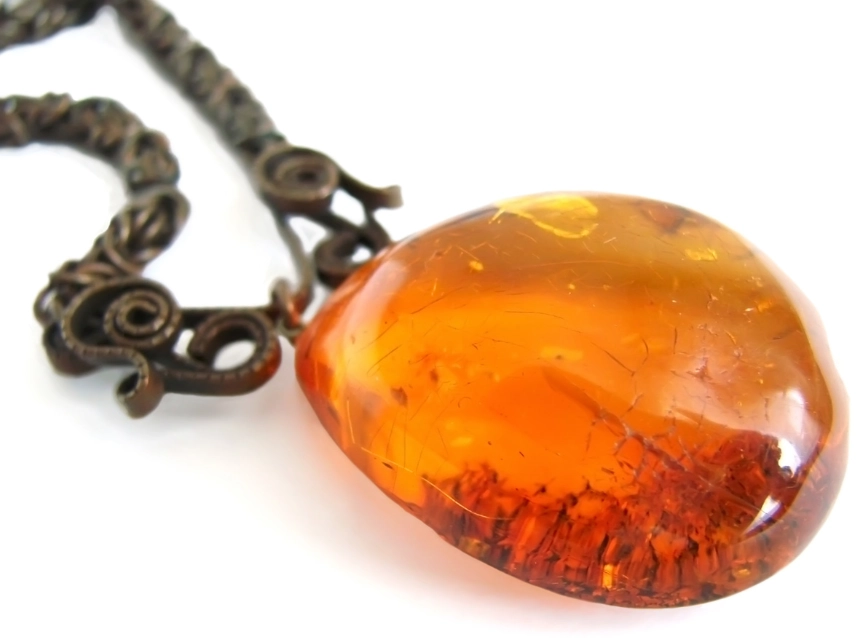
The At-Home Tests (And Their Limits)
The Warmth & Weight Test: Pick it up. Genuine amber feels surprisingly warm to the touch, not cold like glass or plastic. It's also very light. This is a good first clue, but not definitive.
The Saltwater Float Test: This is a classic. Mix 7-8 tablespoons of salt into a cup of warm water until no more dissolves. Gently place your amber piece in. Real amber (with a density around 1.05-1.10 g/cm³) will usually float. Most plastics and glass will sink. But here's the expert caveat: Some copal also floats, and some heavily included or treated amber might sink. So a float is a good sign, but not a guarantee of age or value.
The Hot Needle Test (Use Extreme Caution): Heat a needle (not red-hot, just very warm) in a flame and gently touch it to an inconspicuous area, like the back of a setting. Real amber will release a faint, piney or resinous white smoke. Plastic will melt and smell acrid, like burning chemicals. Copal will melt much more easily than amber and smell resinous too. This is a destructive test. I only use it on rough pieces I don't mind damaging. Never do this on a finished piece of jewelry you value.
When to Seek Professional Verification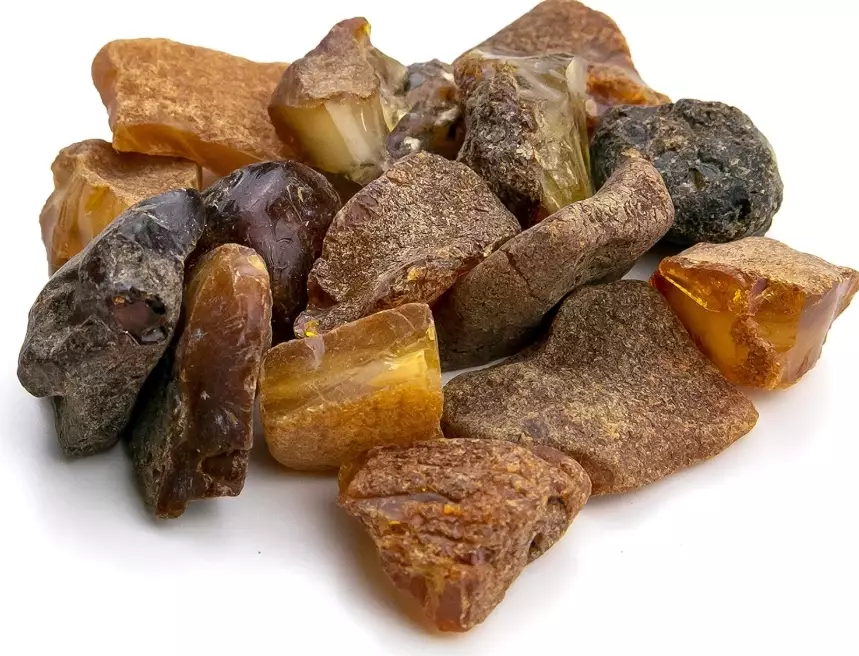
If you're spending more than a couple hundred dollars, or if the piece is purported to have a rare inclusion, get it verified. A reputable jeweler or gem lab can use tools like Fourier-Transform Infrared (FTIR) spectroscopy, which analyzes the molecular fingerprint. The Gemological Institute of America (GIA) offers identification services and has published extensive research on amber and copal differentiation.
| Material | Age | Key Identifying Feature | Smell (Hot Needle Test) | Typical Value |
|---|---|---|---|---|
| Baltic Amber | 25-40 million years | Often contains succinic acid; can fluoresce bluish-white. | Piney, aromatic | Moderate to High |
| Dominican Amber | 15-20 million years | Can exhibit rare blue or green fluorescence in sunlight. | Mild, resinous | High (esp. for blue) |
| Copal | Thousands to ~2 million years | Softer, can be sticky; often crazes (develops tiny cracks) over time. | Strong, resinous | Low |
| Plastic (Bakelite, Celluloid) | N/A (Modern) | Mold lines, uniform color, often feels heavy or cold. | Acrid, chemical | Very Low |
What Determines Amber Value? It's Not Just the Bug
Everyone gets fixated on insects. A mosquito might be cool, but it doesn't automatically mean a high price tag. The market is more nuanced. Here’s what collectors and serious buyers actually look at, in rough order of importance.
- Clarity & Color: Transparent, clear amber in rich colors (cognac, cherry, butter yellow) is generally more valuable than cloudy or opaque pieces. The exception is “cloud amber,” which is artistically prized. Dominican blue amber, seen under the right light, commands a huge premium.
- Inclusion Quality & Rarity: Yes, inclusions matter, but it's about quality, not just presence. A perfectly preserved, large insect like a spider or lizard is incredibly rare and valuable. A common, fragmented ant? Less so. Plant matter, like a complete flower, can be worth more than many insects.
- Size and Workmanship: Large, unbroken pieces of fine-quality amber are rare. The skill of the carver or jeweler significantly adds value. A masterfully carved amber figurine from Poland is an artwork.
- Origin: Baltic and Dominican ambers have established reputations and markets. Burmese amber is renowned for its incredible biological inclusions (like dinosaur-era feathers) and has become a hot, though sometimes ethically complex, market.
I once saw a small, perfectly clear piece of cherry red amber with a single, delicate dragonfly wing sell for more than a much larger piece with three common gnats. The wing was aesthetically stunning and scientifically rare.
Caring for Your Amber: The Right (and Wrong) Way to Clean
This is where most damage happens. Amber is soft (2-2.5 on the Mohs scale), sensitive to chemicals, and can dry out. Treat it like the ancient organic material it is.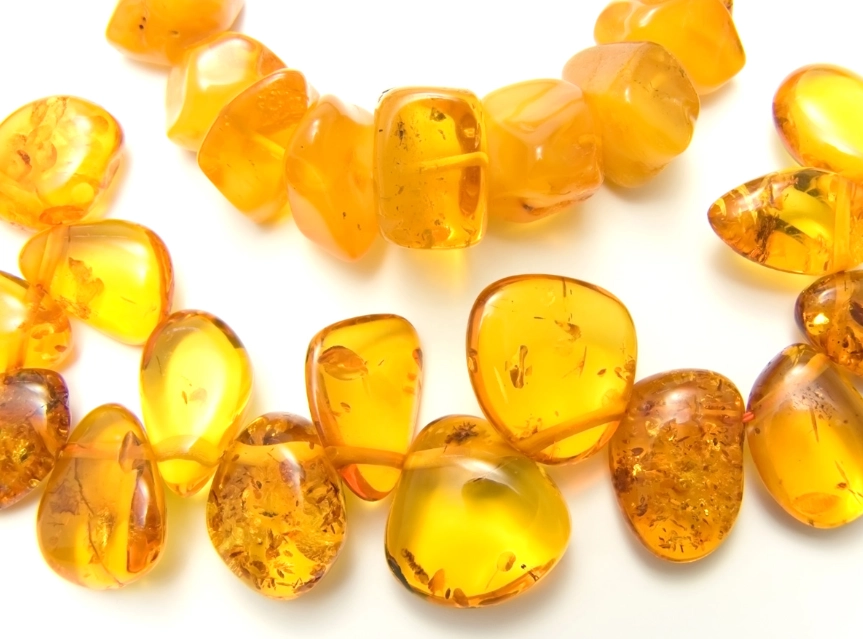
DO:
- Wipe gently with a soft, slightly damp microfiber cloth. Dry immediately with another soft cloth.
- Store it separately in a soft pouch or fabric-lined box to prevent scratches.
- Put it on last, after applying perfumes, hairspray, and lotions, which can cloud the surface.
DON'T:
- Never use ultrasonic or steam cleaners. The vibrations and heat can shatter it. This is the number one mistake jewelers see.
- Avoid harsh chemicals, detergents, alcohol, or solvents.
- Don't expose it to prolonged direct sunlight or extreme heat (like a car dashboard), which can cause cracking and fading.
- Don't wear amber jewelry during heavy manual work, sports, or swimming (chlorine and salt are bad).
To restore a slight luster, you can occasionally rub it with a tiny drop of pure olive oil on your fingers, then buff off all residue. This mimics the natural oils that kept it preserved underground.
Buying Amber: A Practical Guide for Different Scenarios
Your approach should change based on what you want.
Buying Amber Jewelry (Necklace, Earrings, Ring)
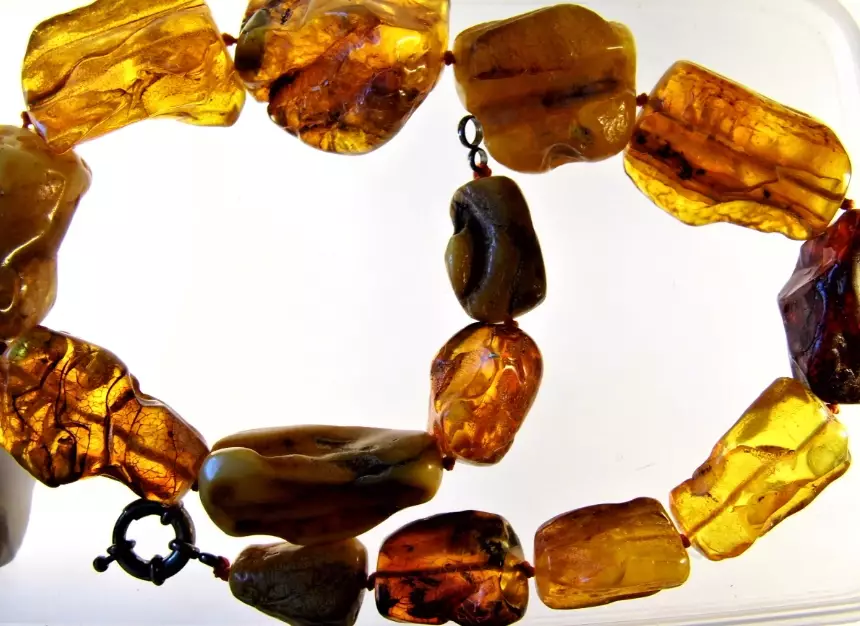
Look for reputable sellers in source countries (Polish, Lithuanian, Dominican vendors) with clear policies. Ask: “Is this natural amber, or is it pressed (ambroid) or treated?” Pressed amber (small pieces fused under heat and pressure) is still real amber but less valuable. For a ring, ensure the setting protects the stone, as amber is soft. A bezel setting is safer than prongs.
Buying Rough Amber or Specimens for Collection
Platforms like specialized fossil/mineral shows or reputable online dealers are key. Descriptions should mention origin, dimensions, and clarity. For inclusions, detailed photos from multiple angles are a must. Be wary of prices that seem too good to be true for a “perfect spider.” It probably is. Consider joining a mineralogical society; their forums are goldmines for trusted dealer recommendations.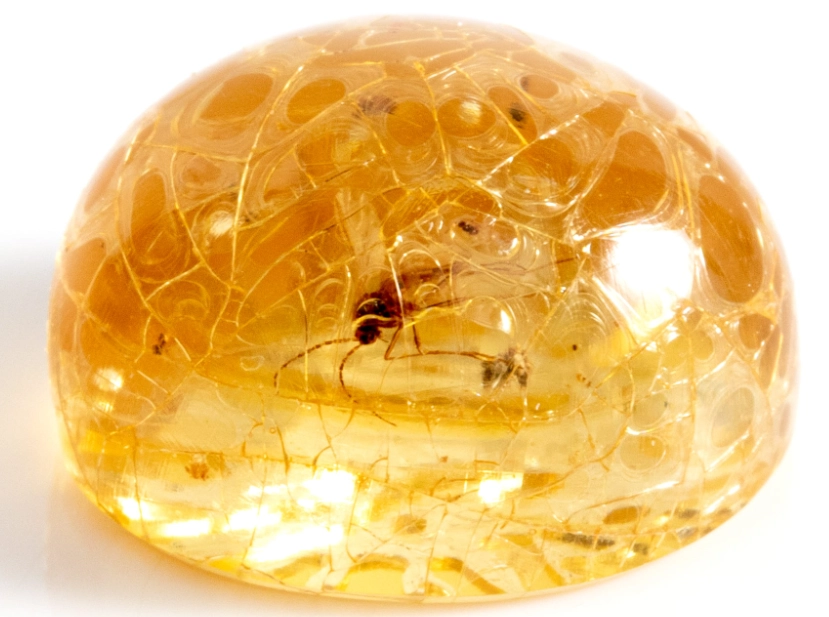
Buying at a Local Market or Antique Store
Assume it could be copal or plastic until proven otherwise. Use the warmth and visual inspection. Ask the vendor about its origin. If they can't provide any details, be skeptical. A genuine antique amber piece will often have a patina of tiny surface scratches called “crazing,” which can be a good sign of age.
Your Amber Questions, Answered by an Expert
Can I wear my amber ring every day?
I found an old amber necklace that's turned cloudy. Can it be fixed?
Is “Baltic Amber” for teething babies safe and effective?
How can I tell if the insect inside is real and not placed there?