Quick Guide
- What Exactly is Alexandrite? More Than Just a June Birthstone
- Why is Alexandrite the June Birthstone?
- The Big Question: Natural vs. Lab-Created Alexandrite
- Buying Your Alexandrite Birthstone: A No-Nonsense Checklist
- Caring for Your Precious Stone
- Answering Your Burning Questions (FAQs)
- Final Thoughts: More Than Just a Gem
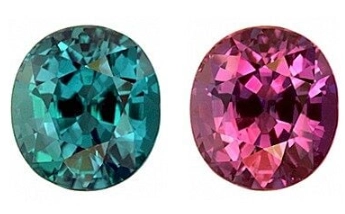
Let's talk about a stone that feels like it's straight out of a fantasy novel. You're holding a deep green gem under the soft glow of a lamp, and it looks like a fine emerald. Then you step outside into the sunlight, and boom – it's a rich, reddish purple. It's not a trick of the light; it's the real, mesmerizing magic of the alexandrite birthstone. If you're a June baby, you hit the jackpot. But honestly, even if you're not, this gem is worth knowing about. It's rare, it's fascinating, and it has a story that's as colorful as the stone itself.
I remember the first time I saw a genuine, natural alexandrite. It was in a tiny, unassuming jewelry store tucked away in a side street. The owner, an older gentleman with a magnifying loupe permanently attached to his eye, saw me looking at the colored stones. He didn't say a word, just took a small ring from the case, walked me to the door, and held it up to the daylight. The shift from green to red was so sudden and complete it made me laugh out loud. That's the effect it has on people. It's not just a gem; it's an experience.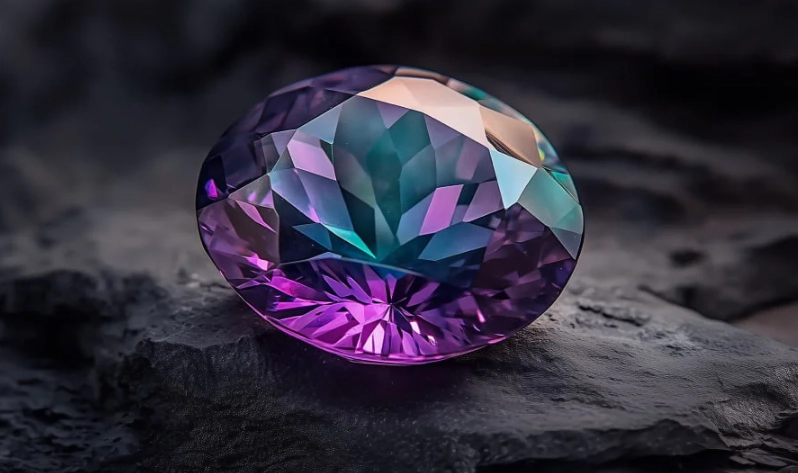
What Exactly is Alexandrite? More Than Just a June Birthstone
At its core, alexandrite is a variety of the mineral chrysoberyl. That's the first thing that trips people up – it's not a variety of sapphire or garnet; it's in its own family. What makes it special, what earns it the title of alexandrite birthstone, is a quirk of chemistry. Trace amounts of chromium sneak into its crystal structure. This chromium is the puppet master behind the incredible color change.
Think of it like this: our eyes see color based on the light that a gem absorbs and reflects. The chromium in alexandrite absorbs light in a very specific, narrow part of the yellow spectrum. Incandescent light (like from a bulb) is rich in red wavelengths. Daylight is richer in blue and green. Because of that chromium filter, alexandrite reflects more green in daylight and more red in incandescent light. It's a perfect, natural optical illusion.
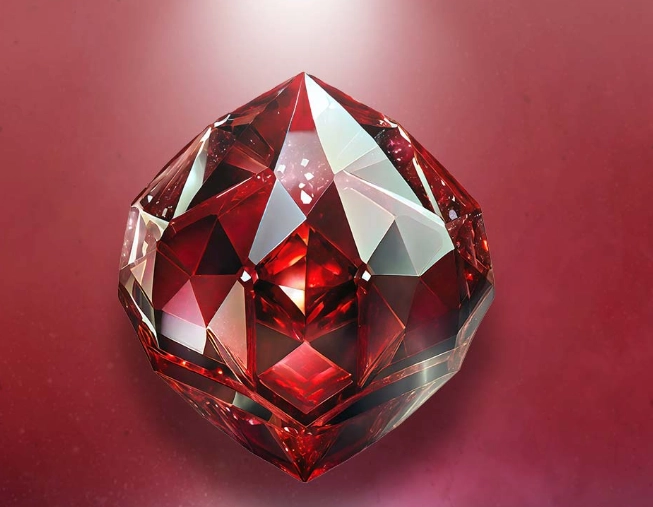
The strength of this change is everything. A weak shift from bluish-green to purplish-red is less desirable. The most prized alexandrite birthstone specimens show a dramatic, clean switch – think emerald green to ruby red. Those are the ones that make collectors' hearts beat faster and come with a price tag to match.
Why is Alexandrite the June Birthstone?
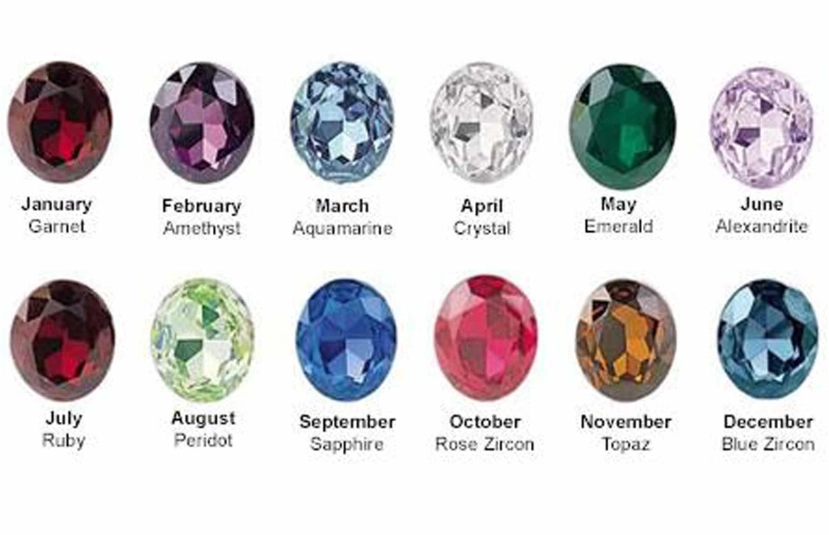
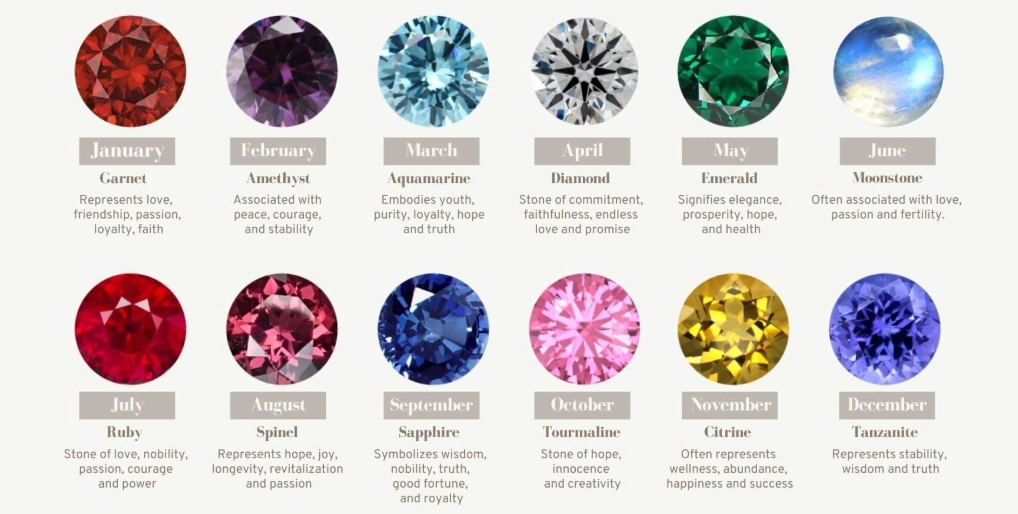
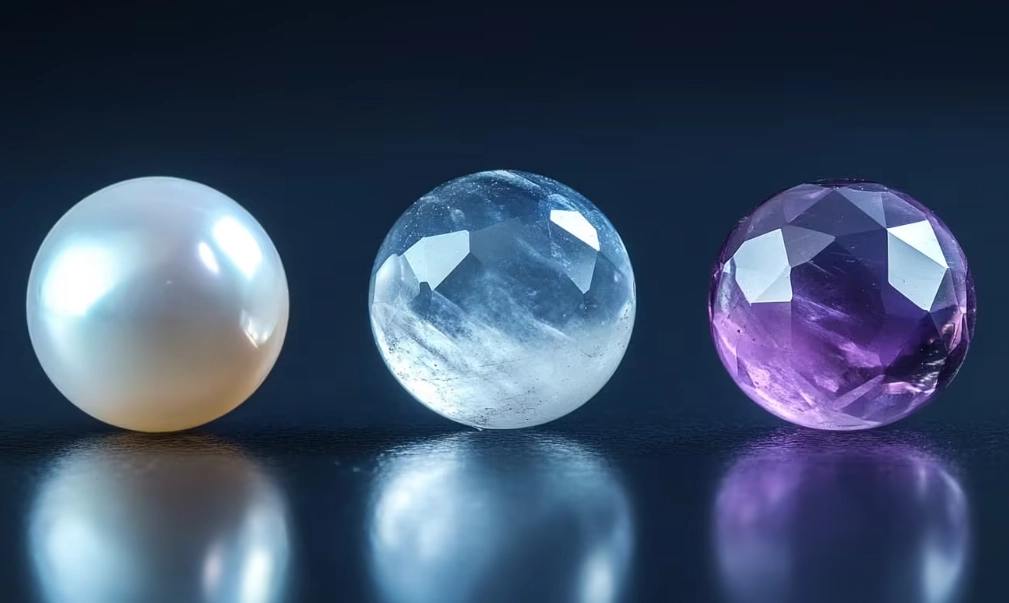
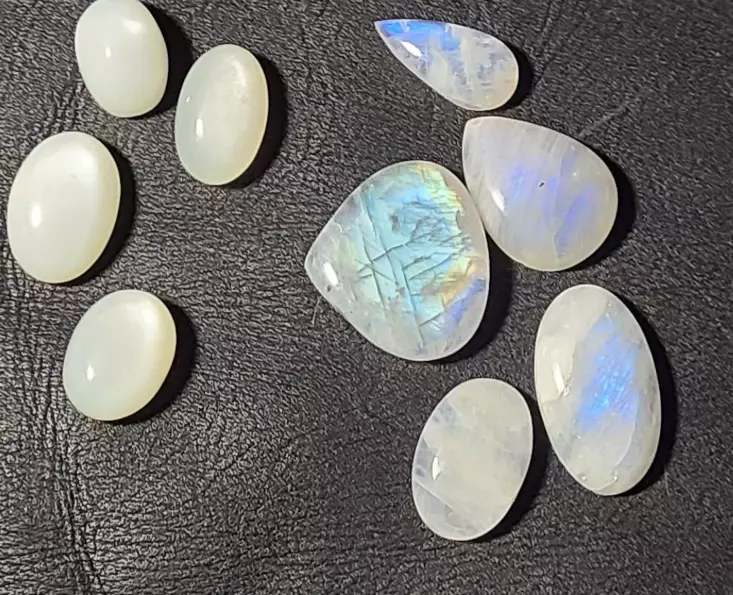
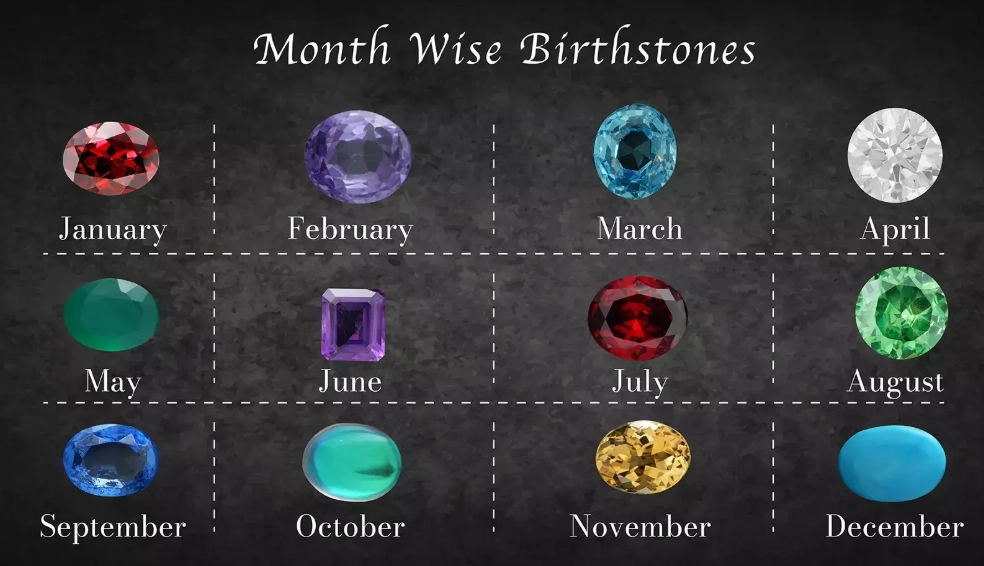
This is a fun bit of history. For a long, long time, pearl and moonstone were the traditional June birthstones. They're lovely, sure. But in 1952, the Jewelry Industry Council in America (a forerunner to today's Jewelers of America) decided to add alexandrite as a modern alternative for June. Why? Well, they likely wanted to offer a durable, faceted gemstone option alongside the softer pearl and moonstone. It was a savvy move.
Symbolically, it's a perfect fit. June is a month of change – spring fully giving way to summer. What better symbol than a stone that embodies change itself? The alexandrite birthstone is said to represent balance, joy, and intuition. The green is linked to growth and new beginnings, while the red connects to passion and vitality. Wearing it is like carrying a little piece of that seasonal transition with you.
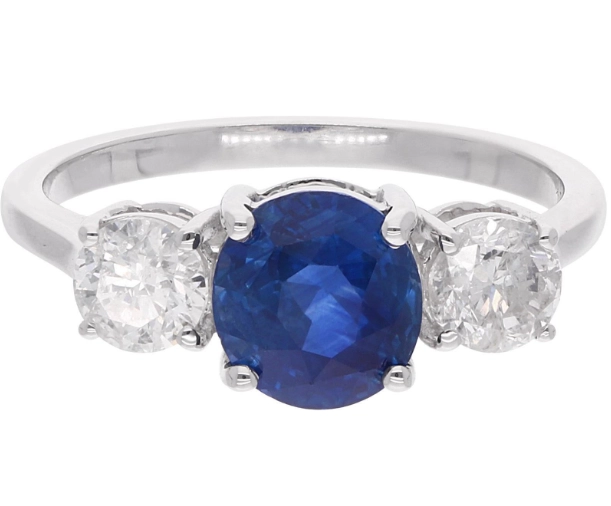
From a purely practical standpoint, as a June birthstone, alexandrite offers something pearls don't: incredible hardness. On the Mohs scale, it's an 8.5. For context, diamond is a 10, and sapphire/ruby are a 9. This means an alexandrite birthstone ring is perfectly suited for daily wear. You don't have to baby it like a pearl. It can handle the knocks and bumps of everyday life, which, let's be honest, is a major plus for an engagement ring or a signature piece you never take off.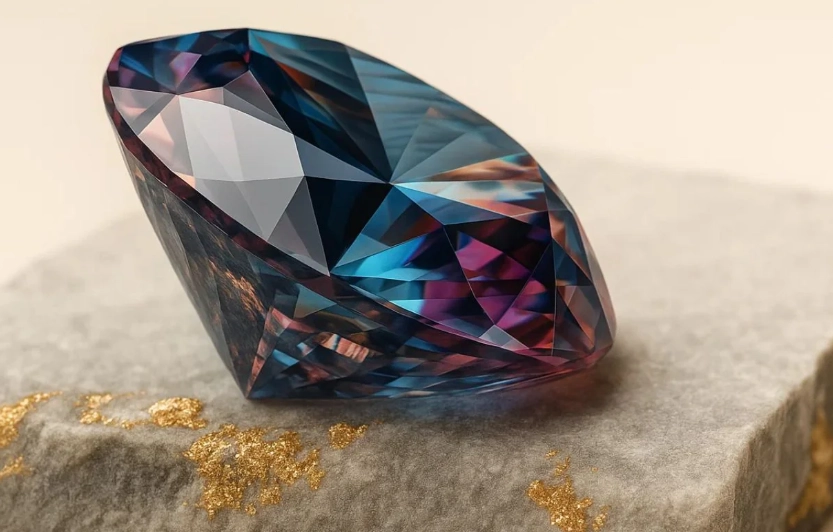
The Big Question: Natural vs. Lab-Created Alexandrite
Alright, let's tackle the elephant in the room. You start looking at alexandrite birthstone jewelry, and you'll see prices ranging from a few hundred dollars to the price of a luxury car. The main driver? Origin.
Lab-Created Alexandrite is the game-changer. Also called synthetic or lab-grown alexandrite, it has the same chemical composition, crystal structure, and physical properties as the mined stone. The color change is often even more dramatic because scientists can control the conditions perfectly. The best part? It's vastly more affordable. You can get a stunning, large lab-created alexandrite birthstone for a fraction of the cost of a natural one.
So, which one is for you? It depends entirely on your goals and budget.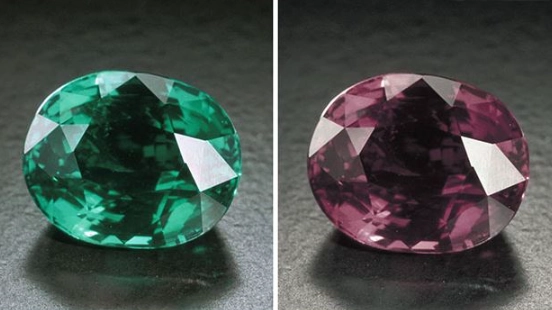
| Feature | Natural Alexandrite | Lab-Created Alexandrite |
|---|---|---|
| Primary Appeal | Rarity, natural wonder, investment potential | Beauty, dramatic color change, affordability |
| Price Point | Very High ($5,000 - $50,000+ per carat for fine quality) | Moderate ($50 - $500 per carat typically) |
| Color Change | Varies; the finest have strong green-to-red | Consistently strong, often very vivid |
| Inclusions | Usually has natural inclusions (fingerprint of nature) | Can be virtually flawless |
| Best For | Collectors, investors, heirloom pieces | Everyday jewelry, celebration rings, experiencing the beauty |
My personal take? There's no "wrong" choice. If you have the means and desire a one-of-a-kind natural treasure, go for natural. But if you simply fall in love with the color-change magic and want a beautiful piece of jewelry, lab-created alexandrite is a brilliant, ethical, and stunning option. Don't let anyone make you feel otherwise. A lab-created alexandrite birthstone is real alexandrite, period.
Buying Your Alexandrite Birthstone: A No-Nonsense Checklist
Ready to shop? Don't just jump in. Use this list to guide you, whether you're buying online or from a jeweler.
The Color Change is King
This is the number one factor. Don't just look at a photo in one light. Any reputable seller should provide a video or multiple photos showing the stone under daylight-equivalent and incandescent light. Ask for it. A strong, clear change is more important than a slightly larger size with a weak shift.
Clarity Matters, But Be Realistic
Natural alexandrite almost always has inclusions – tiny natural fingerprints. A completely clean natural stone is a unicorn. Some inclusions are acceptable as long as they don't severely impact the beauty or durability. Lab-created stones will be much cleaner. Eye-clean (no visible inclusions to the naked eye) is a good target for a beautiful piece.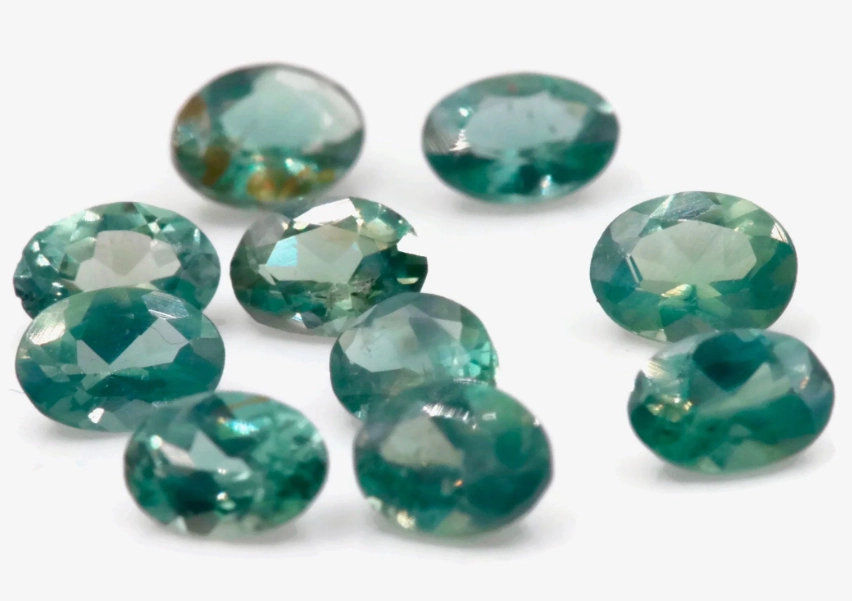
Cut and Carat Weight
A good cut maximizes the color change effect. A poorly cut stone can look washed out or dark. As for size, because alexandrite is so dense, a one-carat stone will look smaller than a one-carat diamond. Focus on the measurements in millimeters. And remember, a smaller stone with a fantastic color change is better than a larger, dull one.
Caring for Your Precious Stone
You've made the investment, now let's keep it beautiful. The good news is, as a hard gem, alexandrite birthstone jewelry isn't overly fussy.
- Cleaning: Warm soapy water, a soft brush (like a baby toothbrush), and a gentle rinse is the way to go. Ultrasonic cleaners are usually safe for alexandrite itself, but I'm cautious – if the piece has other gems or fractures, it's better to avoid it. Steam cleaners? Probably fine for the stone, but again, check the setting.
- Storage: Don't just toss it in a jewelry box with other pieces. Keep it in a soft pouch or a separate compartment to prevent scratches. Yes, it's hard, but why risk it?
- Activities: Take it off during heavy-duty work, gym sessions, or while using harsh chemicals. It's tough, but a hard knock at the wrong angle can still chip it.
It's simpler than people think. Common sense goes a long way.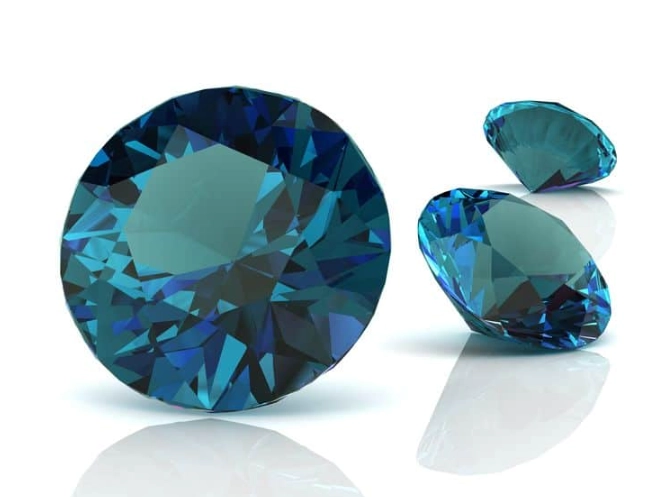
Answering Your Burning Questions (FAQs)
Final Thoughts: More Than Just a Gem
Choosing an alexandrite birthstone, whether for a June birthday, an anniversary, or just because you love it, is choosing a piece of natural magic. It's a gem that refuses to be defined by a single color, a single moment. It's dynamic and alive in a way few other stones are.
For me, the wonder isn't diminished by knowing the science behind it. If anything, it's enhanced. The fact that a random combination of elements deep in the earth can create something that plays with light in such a theatrical way is astounding. It reminds us that nature is the ultimate artist.
So, whether you're drawn to the legendary history of the natural stones or the accessible beauty of the lab-created ones, welcome to the club. Owning an alexandrite, in any form, means you'll always have a little secret, a little shift in your pocket or on your finger, ready to surprise you when the light changes.