December babies get the best deal in the birthstone world. Forget a single color – you get a whole palette of blues. It’s like the sky decided to gift its finest shades. We’re talking about the velvety violet-blue of tanzanite, the brilliant sparkle of blue zircon, and the earthy, robin’s-egg blue of turquoise. Most articles just list them and call it a day. But if you're shopping for a December birthstone piece, you need to know more. Which blue is right for you? How do you spot a good one? And why do some turquoise pieces turn green in a year? Let's dig into the real story behind these colors.
Your Quick Guide to December's Blues
Tanzanite: The Modern Royal Blue
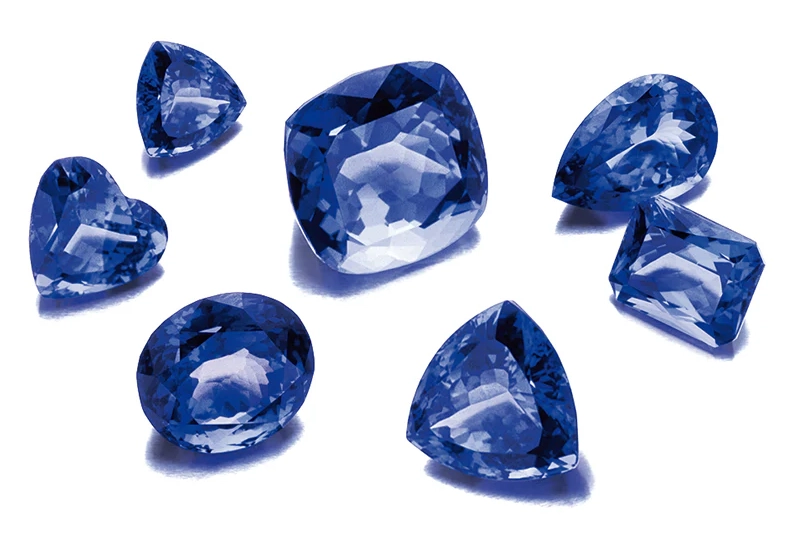
Tanzanite is the rockstar of the trio, discovered only in the 1960s in Tanzania (hence the name). Its color isn't a simple blue. Hold it one way, you see a deep, sapphire-like blue. Tilt it, and flashes of violet and burgundy come alive. This property is called pleochroism, and it’s tanzanite's signature.
The most coveted color is a strong, saturated violetish-blue. Not too light, not too dark. Think of a twilight sky. The color grade directly impacts price. A top-grade, intense blue-violet stone from a reputable dealer can cost hundreds per carat for a clean specimen. Lighter, grayish stones are more affordable but lack that wow factor.
What to Look For in a Tanzanite
Color saturation is king. Look for a stone that looks blue from arm's length, not just up close. Clarity matters too; eye-clean stones (no visible inclusions to the naked eye) are ideal. But be gentle. Tanzanite has perfect cleavage, meaning it can split along a plane if hit hard. This makes it less suitable for everyday ring wear unless in a very protective setting.
Zircon: The Underrated Sparkler
No, it's not cubic zirconia. That's a cheap diamond simulant. Natural zircon is a gorgeous gem in its own right, and blue is its most popular color. Its magic is in its fire – the way it splits light into rainbow flashes. It has a brilliance and sparkle that rivals a diamond, which is why it was a popular diamond alternative in Victorian times.
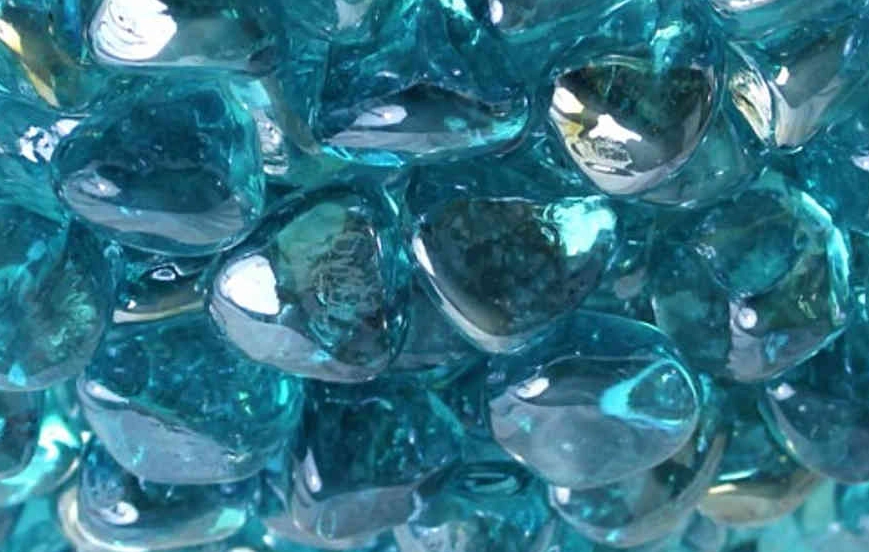
Blue zircon gets its color from heat treatment, usually of brown or reddish rough material. The resulting blue ranges from a pastel sky blue to a deeper, more vibrant teal-blue. The most desirable is a bright, medium blue without any gray masking the color.
The Durability Trade-Off
Here's the expert catch nobody talks about: Zircon can be brittle. Its edges can chip or abrade over time, a condition gemologists call "paper wear." I've seen many antique zircon rings where the facets look rounded and fuzzy. For a ring, choose a setting that protects the girdle (the edge), like a bezel or a halo with sturdy prongs. For earrings or pendants, it's a fantastic and more durable choice.
Turquoise: The Ancient Sky Stone
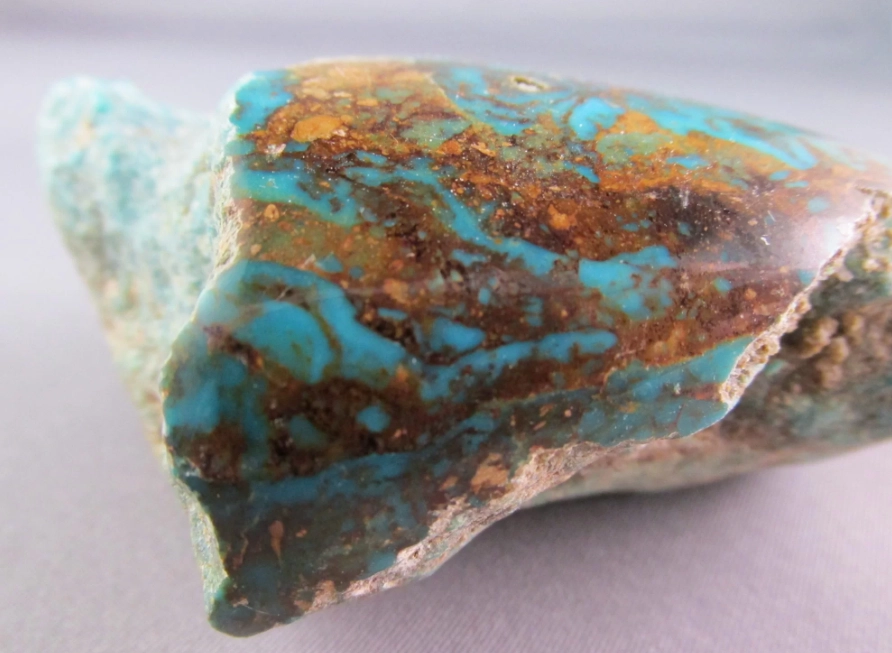
Turquoise is the color of a desert sky after rain. It’s opaque, not transparent, and its value comes from a completely different place. The ideal is a pure, even, robin's-egg blue with no matrix (the dark brown or black veining of the host rock). This "clean" blue is rare and commands high prices, especially from classic sources like the Sleeping Beauty mine in Arizona (now closed), which produced that iconic sky-blue stone.
But here’s a non-consensus view: Matrix isn't always bad. A fine, spider-web matrix from a Persian turquoise or a Chinese Hubei turquoise can be stunning and is highly prized by collectors. It adds character and proves the stone's natural origin.
The Stabilization Secret
This is the biggest pitfall for buyers. Most turquoise on the market is "stabilized." Natural turquoise is porous and soft. To make it hard enough for jewelry, it's often infused with a plastic or resin. This is standard practice. The problem? Sellers don't always disclose it. Stabilized turquoise is perfectly fine for jewelry, but you shouldn't pay a natural, untreated price for it. If a price seems too good for a large, flawless blue stone, it's almost certainly stabilized.
Side-by-Side Color & Value Comparison
Let's put them all on the same page. This table cuts through the confusion and shows you what to expect when you're looking at these stones side by side.
| Gemstone | Typical Color Range | Key Characteristic | Durability for Daily Wear | Price Driver (Beyond Size) |
|---|---|---|---|---|
| Tanzanite | Violetish-Blue to Bluish-Violet | Pleochroism (color shift), Vitreous luster | Fair (cleavage risk) | Color saturation & clarity |
| Blue Zircon | Pastel Blue to Vibrant Teal-Blue | High brilliance & fire (rainbow flashes) | Good (but brittle edges) | Color intensity & lack of gray |
| Turquoise | Sky Blue to Greenish-Blue | Opaque, often with matrix webbing | Fair to Good (if stabilized) | Color evenness & origin (natural vs. stabilized) |
How to Buy the Right Blue for You
Choosing isn't just about prettiest blue. It's about your life.
For an engagement or daily ring: Consider durability first. Blue zircon in a protective setting is a bold choice. Tanzanite is risky. Turquoise? I'd advise against it for a daily ring; it changes color with oils and chemicals.
For a pendant or earrings: You have more freedom. Tanzanite's color play shines here. A turquoise pendant makes a statement. Zircon earrings will catch every light.
Ask the right questions: Don't just ask "Is this real?" Ask:
- "Has this tanzanite been heat-treated?" (The answer will be yes, and that's okay).
- "Is this turquoise stabilized or natural?" Get a clear answer.
- "What is the origin of this stone?" (Certain origins, like Persian turquoise or Tanzanian tanzanite, add cachet).
Keeping Your Blue Beautiful: Care Tips
These stones need a gentle touch.
Universal Rule: No ultrasonic cleaners, no steam cleaners. The vibrations and heat can damage all three. Warm water, mild soap, and a soft brush are your best friends.
Tanzanite: Store it separately. A knock against a harder gem can cause a cleavage fracture. Remove it before gym, gardening, dishes.
Zircon: Protect the facets. Avoid stacking it loosely with harder stones. A fabric-lined jewelry box compartment is ideal.
Turquoise: This is the most delicate. It's porous. Perfume, hairspray, skin oils, and even sweat can seep in and permanently alter its color, often turning it greener. Put it on last when getting ready, take it off first. Wipe it gently with a dry cloth after wearing.