I remember the first time a piece of turquoise really spoke to me. It wasn't in a fancy jewelry store, but at a dusty market in Arizona. A vendor showed me a raw, matrix-webbed stone, explaining it was "more than just blue." He was right. For centuries, from Native American tribes to ancient Egyptians, turquoise hasn't just been worn—it's been used. So, what is the turquoise stone good for today? If you think it's just a pretty blue bead, you're missing about 90% of its story. Its uses span spiritual grounding, emotional first-aid, and even practical, daily decision-making. Let's cut through the vague spiritual jargon and talk about what it actually does, how to use it, and how to avoid buying a dud.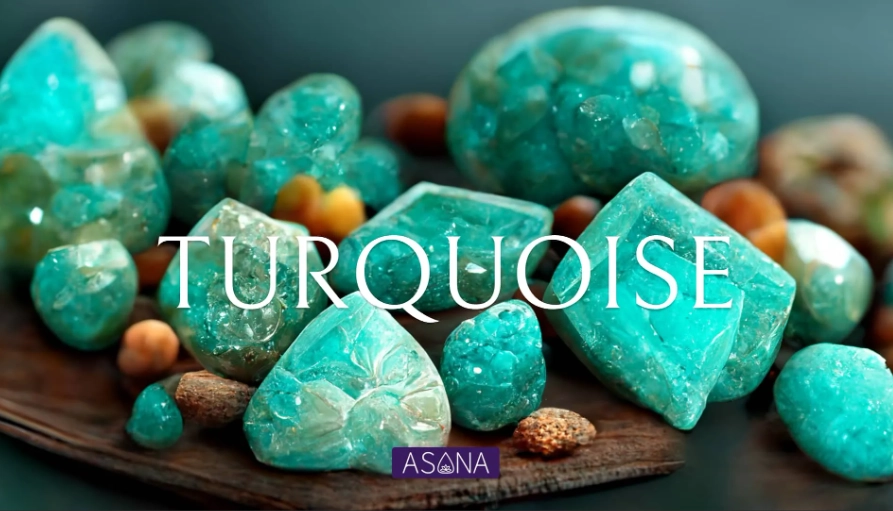
Quick Navigation: What You'll Find in This Guide
The Core Uses of Turquoise: More Than Jewelry
Forget the generic "good vibes" description. Turquoise has specific, time-tested applications. Think of it less as a magic wand and more as a multi-tool for your inner world.
Spiritual and Metaphysical Anchor
This is where most articles start and stop, but they rarely get specific. Turquoise is fundamentally a stone of connection and truth. Its primary spiritual use is as an anchor. In practices like meditation, it's not about floating away—it's about grounding your higher insights into reality so you can actually act on them. Many beginners use high-vibration stones and feel spacey; turquoise brings you back down, connecting throat chakra communication with heart chakra compassion. It's the stone for speaking your truth with kindness.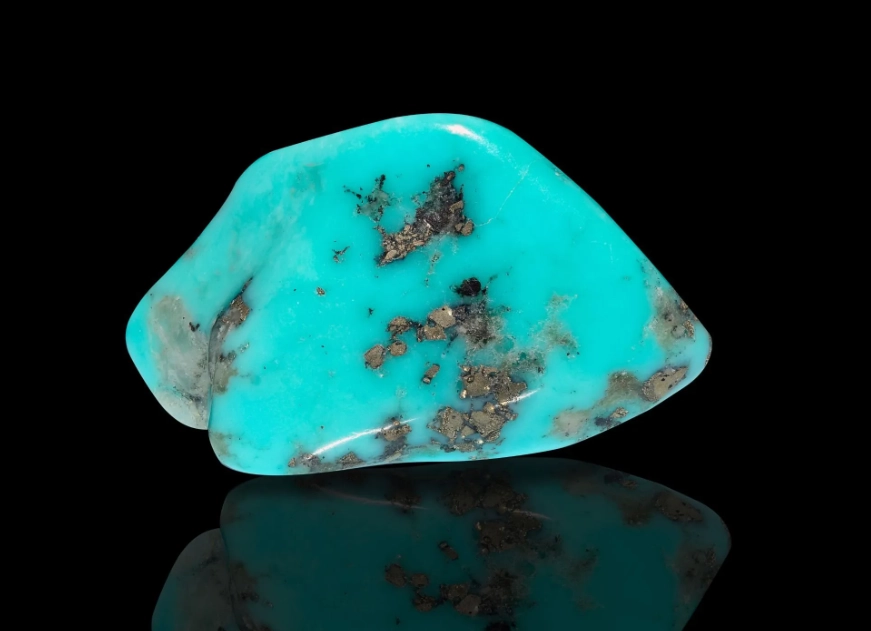
Emotional Regulator and Confidence Booster
Here's the practical, daily-use goldmine. Turquoise is phenomenal for managing anxiety that stems from overthinking or social fear. That tightness in your chest before a presentation? The swirl of "what ifs" that keeps you up? Turquoise's energy is said to have a calming, clarifying effect. It doesn't sedate you—it helps organize the mental noise. I've known people who keep a small stone in their pocket during job interviews or difficult conversations. It acts as a tactile reminder to breathe and speak clearly. It's not a placebo; it's a focal point for your intention.
Physical Wellness Companion
Important disclaimer: Turquoise is not a substitute for medical advice. Always see a doctor. That said, within holistic traditions, its purported physical benefits are linked to its calming and anti-inflammatory properties. It's historically been associated with soothing sore throats (linked to the throat chakra), supporting the immune system, and aiding in detoxification. The logic is simple: chronic stress wears down the body. A stone that promotes calm and reduces anxiety can indirectly support overall physical resilience. Don't expect it to cure a virus, but it might help you rest better while you recover.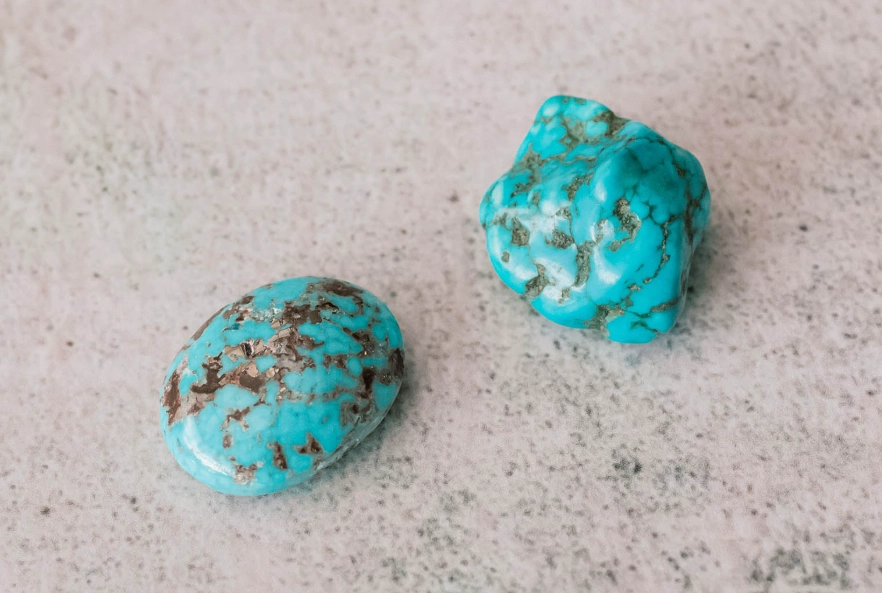
Aesthetic and Tangible Value
Let's not ignore the obvious. Turquoise is stunning. Its value as a decorative element that brings a pop of sky-and-earth color into your home is a genuine benefit. A well-chosen piece of turquoise jewelry or a raw stone on your desk simply makes your environment more pleasant. Furthermore, high-quality, natural turquoise from sought-after mines (like Sleeping Beauty or Lander Blue) is a legitimate collectible. Its value can appreciate, making it a tangible asset. This bridges the gap between spiritual tool and smart acquisition.
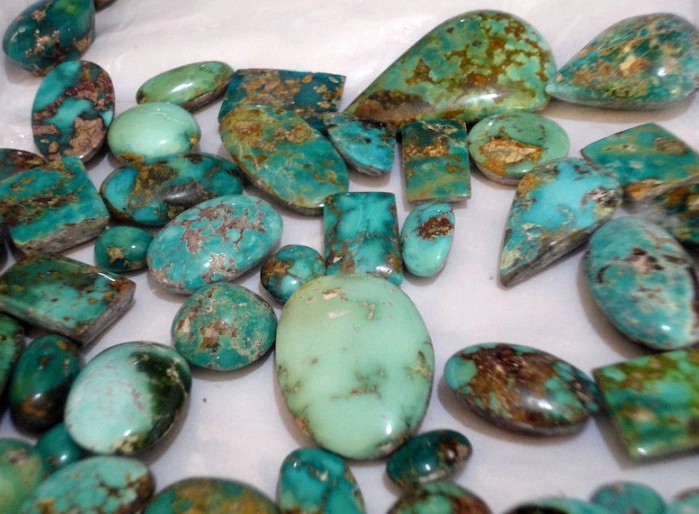
| Turquoise Color & Pattern | Common Source | Often Associated With |
|---|---|---|
| Sky Blue (No Matrix) | Sleeping Beauty Mine, Arizona | Clarity, pure communication, calming energy |
| Greenish-Blue with Web Matrix | Kingman Mine, Arizona | Strong grounding, connection to earth, stability |
| Deep Robin's Egg Blue | Persian (Iranian) Turquoise | Royalty, wisdom, high value, spiritual protection |
| Green with Brown Matrix | Nevada Mines (Royston, etc.) | Healing, growth, nurturing energy |
How to Use Turquoise Effectively
Buying a stone is step one. Using it intentionally is where the benefits kick in. Here’s how to move beyond just owning it.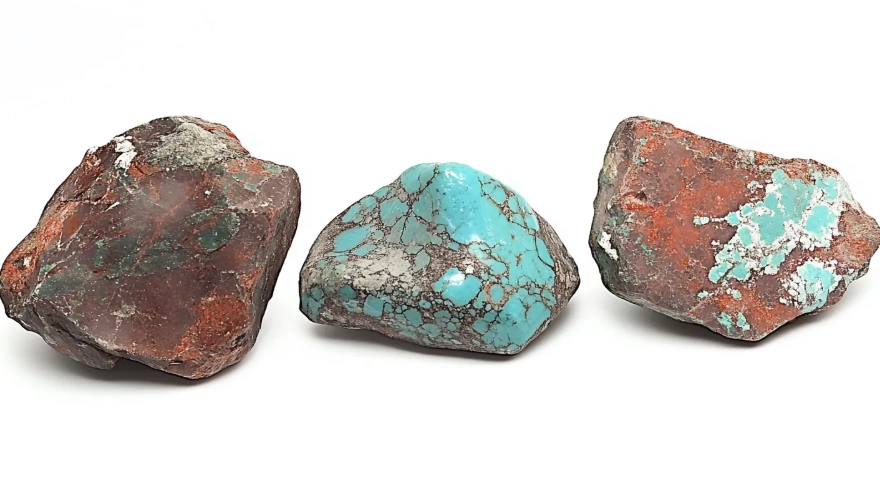
Wearing It: Location Matters
As a Necklace or Pendant: Worn near the throat, this is the classic setup for enhancing communication, public speaking, and expressing your true self. It keeps the energy right where the action is.
As a Ring or Bracelet: On the hands, turquoise is in constant motion and contact. This is great for artists, writers, or anyone who "does"—it channels creative and truthful energy directly into your actions.
As Earrings: Close to the head, earrings can help filter the words you hear and the words you choose to speak. It’s a subtle, constant influence on your perception and dialogue.
In Your Space: Strategic Placement
Place a medium-sized raw stone or sculpture in your home office to foster clear thinking and honest dealings. Put a piece near the front door, a traditional practice for protection and welcoming good energy. In the bedroom, a small stone on a nightstand might promote peaceful, honest communication with a partner and reduce night-time anxiety. It’s about putting the stone’s energy in the path of your life’s flow.
During Meditation or Stressful Moments
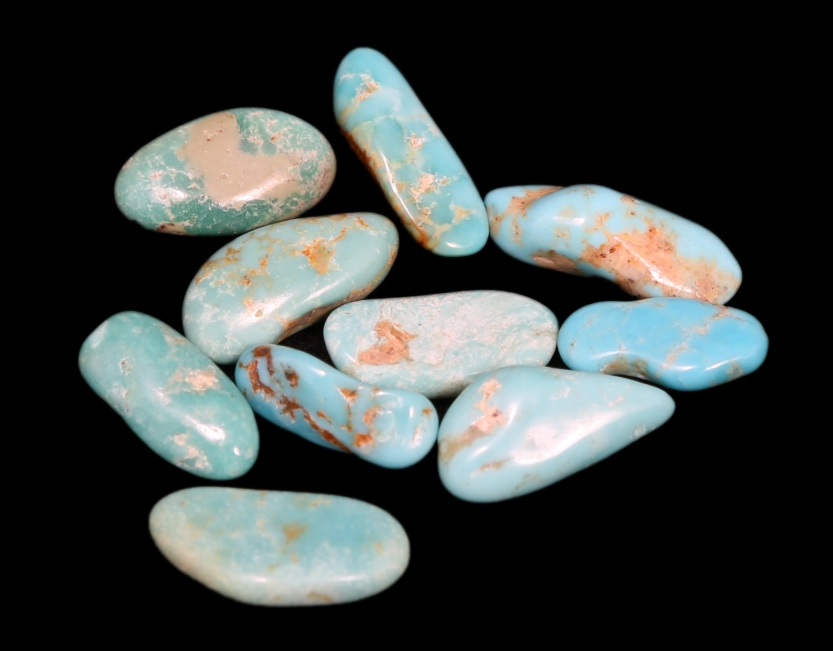
Hold a tumbled stone in your receiving hand (left for most) during meditation. Focus on its cool, smooth texture. Set a simple intention: "clarity" or "calm." Don't force it. Just let the stone be an anchor for your attention. Before a stressful call, take 30 seconds to hold it and take three deep breaths. This ritualistic act creates a psychological buffer, a moment of pause that the stone physically represents.
How to Choose and Care for Your Turquoise
This is where most people get burned, both energetically and financially. The market is full of treated, fake, or low-vibe stones.
Selecting Your Stone: Look Beyond Color
Everyone gets fixated on the perfect blue. Big mistake. The matrix (the web-like host rock) isn't a flaw—it's the stone's fingerprint and a major source of its grounding energy. A stone with a beautiful, intricate matrix from a reputable source is often more "powerful" and valuable than a flawless, treated blue chip.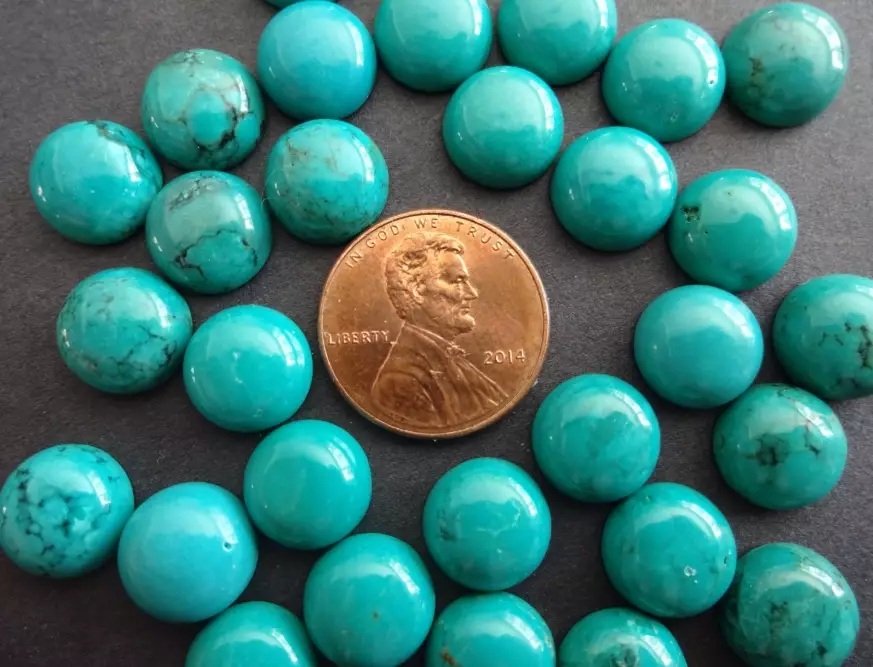
Ask the seller:
- Is this natural or stabilized? (Stabilized means treated with resin; it's common but less valued).
- What is the mine source? (Reputable sellers will know).
- Can I see a certificate of authenticity? (For high-end pieces).
Trust your gut. Does the stone feel "alive" or like plastic? Your intuition is part of the selection tool.
Caring for Your Turquoise: It's Delicate
Turquoise is relatively soft and porous. Ruining it is easy.
Never: Use ultrasonic or steam cleaners. Never soak it in chemical cleaners, soap, or water for long periods. Avoid exposing it to cosmetics, perfumes, or lotions.
Always: Wipe it gently with a soft, dry cloth after wearing. Store it separately from harder gems to prevent scratches. For a deeper clean, use a barely damp cloth and dry immediately.
If your stone gets dull or absorbs oils (it can slightly change color), that's often part of its life. It's called "getting seasoned," and some collectors value this personal patina.
Your Turquoise Questions, Answered
Can I wear turquoise every day?
You can, and many do, but you must be mindful. Daily wear exposes it to sweat, oils, and bumps. It's best for pendiments (necklaces) or earrings rather than rings and bracelets which take more abuse. If you wear it daily, commit to gentle, regular cleaning and accept that it may develop a patina.
Does turquoise fade over time?
Natural, high-quality turquoise is generally color-stable if cared for. Fading is usually a sign of a dyed stone or one exposed to constant, direct sunlight (which you should avoid). Some natural stones may darken slightly with oil absorption, which is different from fading.
 What other stones does turquoise work well with?
It pairs beautifully for specific goals. With clear quartz, it amplifies turquoise's clarifying energy. With carnelian, it creates a bold mix of confidence (carnelian) and truthful expression (turquoise). With smoky quartz, it grounds its energy even deeper, excellent for heavy-duty emotional cleansing.
How do I "cleanse" or recharge my turquoise?
Skip the water and salt. Instead, place it on a bed of dry selenite overnight, or leave it in moonlight (not direct sun). The simplest method? Hold it in your hands, set the intention that any stagnant energy is released, and visualize it filling with bright, sky-blue light. Your intention is more powerful than any ritual.
Is it okay to sleep with turquoise?
It can be, but test it. For some, its clarifying energy can lead to vivid dreams or even disrupt sleep if they're sensitive. If you're using it for night-time anxiety, try placing it on your nightstand first, not under your pillow. See how you react.
What makes one turquoise stone more valuable than another?
The holy trinity is color, matrix, and origin. A stable, intense blue or blue-green color is prized. An attractive, spider-web matrix can increase value. Finally, the mine origin is critical—stones from historic, depleted mines (like Persian or certain Arizona mines) command premium prices. Treatment (natural vs. stabilized) is the final, major price determinant.
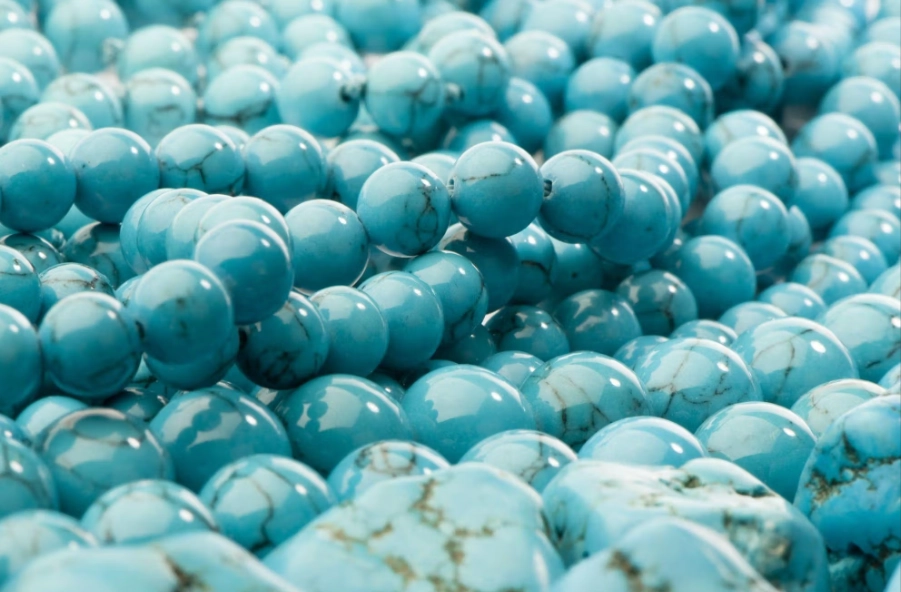 So, what is the turquoise stone good for? It's a tool for grounding your spirituality, a anchor for your nerves, a companion for honest talk, and a piece of the earth's art. Its value isn't just in what it supposedly does, but in the mindfulness it inspires. You start paying attention—to your words, your energy, the quality of the stone itself. That shift in attention might be its greatest benefit of all. Choose one that speaks to you, not just one that matches an outfit, and start from there.