If you were born in August, you hit the birthstone jackpot. You get two stunning gems to call your own: the vibrant, lime-green peridot and the bold, banded sardonyx. No other month has this dual claim. It's not a mistake or a recent marketing gimmick. The reason is a fascinating collision of ancient history, 20th-century standardization, and the simple fact that both stones are too good to let go. Let's dig into the layers of this story.
What's Inside This Guide
The Official Modern Birthstone List: A 20th Century Creation
Here's a fact that surprises many: the "official" birthstone list we all refer to is barely over a century old. While the connection between gems, months, and the zodiac goes back millennia (to the Breastplate of Aaron in the Bible, for starters), it was a complete mess. Multiple lists existed across different cultures and eras. An August baby in 15th-century Italy might have been associated with carnelian, while one in ancient Arabia was linked to sardonyx.
The big shift happened in 1912. Facing customer confusion, the National Association of Jewelers (now Jewelers of America) in the U.S. sat down and standardized a list. Their goal was clarity and, let's be honest, commercial consistency. This 1912 list is the bedrock of what we use today. For August, they chose sardonyx.
But tastes change. By the 1950s, the vibrant, jewelry-friendly peridot was gaining massive popularity. It was more readily available in consistent quality for modern jewelry settings compared to the cameo-carving favorite, sardonyx. So, in 1952, the association updated the list and added peridot as a second, modern option for August. They didn't remove sardonyx; they just gave August natives a choice. This is the primary, straightforward reason August has two stones: one from the original 1912 standardization (sardonyx) and a later, mid-century addition (peridot) that reflected changing markets and tastes.
A Quick Reality Check
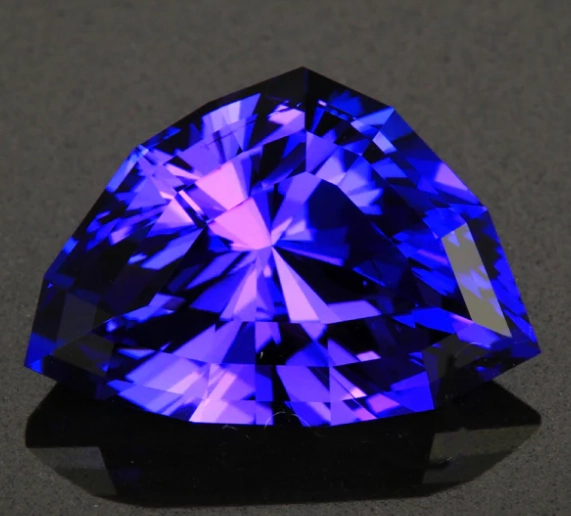
Many people think birthstone lists are ancient, unchangeable decrees. They're not. They are modern, commercial guides that evolved from ancient traditions. The American Gem Trade Association (AGTA) and Jewelers of America still occasionally update the list (like adding tanzanite for December in 2002). This fluidity is key to understanding the "two-stone" phenomenon.
Peridot: The Golden Gem of Sunlight
Peridot is August's brighter, more widely recognized birthstone. It's not an emerald wannabe—it's a gem with its own fiery personality.
Color & Characteristics
Its color range is strictly in the green spectrum, from a yellowish lime to a deeper olive, but the best stones have a rich, saturated grass-green without any brown or gray undertones. That signature color comes from iron. Unlike most gems, peridot forms in the Earth's mantle and is brought to the surface by volcanic activity. You can sometimes find tiny, lily pad-shaped inclusions—these are crystals of the mineral chromite and are a hallmark of natural peridot, not a flaw to fear.
A History Drenched in Sunlight
Ancient Egyptians called it the "gem of the sun," mining it on Zabargad Island in the Red Sea. They believed it protected the wearer from night terrors. Cleopatra's famous emerald collection? Historians now suspect many were actually peridots. The stone was so prized it was often confused with topaz. Even today, some of the finest peridots come from a source that sounds like a fantasy: peridot crystals found embedded in pallasite meteorites, making it one of the only gems found in space.
Modern Meaning & Wear
Peridot is associated with light, warmth, and personal growth. It's said to ward off negativity. On a practical level, it's a relatively soft stone (6.5-7 on the Mohs scale). This means it's perfect for earrings, pendants, and cocktail rings but requires a bit more care in an everyday ring. Avoid harsh chemicals and ultrasonic cleaners. Anecdotally, I've seen more peridot engagement rings in the last five years—people are drawn to its unique, non-traditional color.
Sardonyx: The Layered Stone of Antiquity
Sardonyx is the classic, the original August stone from the 1912 list. It carries the weight of history in its stripes.
What Exactly Is Sardonyx?
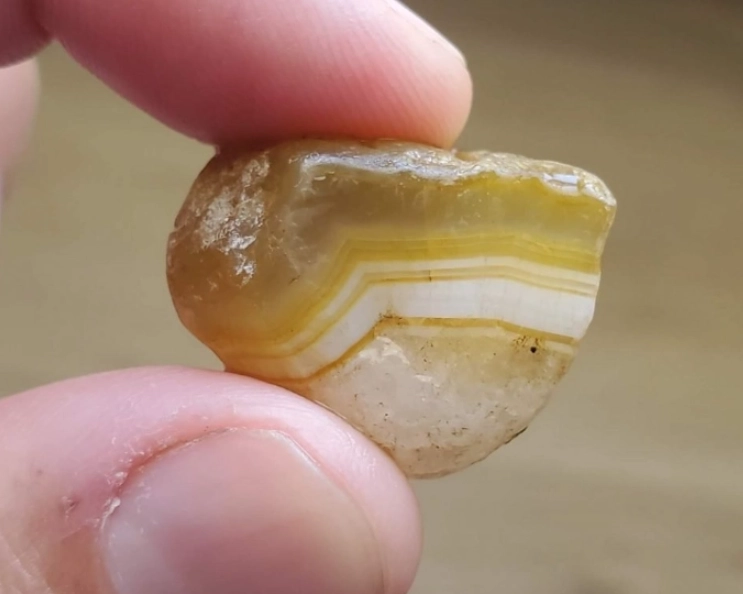
It's not a single mineral. Sardonyx is a banded variety of chalcedony (a type of quartz). It features straight, parallel layers of reddish-brown sard (carnelian) and white or black onyx. The contrast is everything. These bands are formed by the deposition of silica gel in gas cavities of lava, layer upon layer over eons. The best stones have sharp, clean contrast between the layers.
The Stone of Warriors and Orators
In Roman times, sardonyx was the stone of public life. Its flat layers made it ideal for carving cameos and intaglios (raised and recessed carvings). Roman soldiers wore sardonyx talismans carved with Mars or Hercules for courage and victory in battle. Public speakers used it, believing it brought eloquence. It was the original "power stone" for masculine energy, long before modern crystal healing terms existed. You can see magnificent historical sardonyx cameos in museums like the British Museum or the Metropolitan Museum of Art.
Why It Stuck Around
Even after peridot's addition, sardonyx wasn't demoted. Its deep historical roots and unique aesthetic secured its place. It represents stability, protection, and married happiness. In jewelry, it's often cut into cabochons, beads, or, of course, cameos. It's much tougher than peridot (a 7 on the Mohs scale, but quartz is very durable), making it excellent for signet rings and bracelets that see more wear.
Why Two Stones? Unpacking the Layers
So, to directly answer the title's question: August has two birthstones because the modern list evolved. Sardonyx was the original 1912 pick, representing historical continuity. Peridot was added in 1952 to reflect availability, color trends, and jewelry design preferences. The governing bodies chose to be inclusive rather than exclusive.
Think of it like this: sardonyx is the deep, traditional voice. Peridot is the bright, modern voice. August gets to listen to both.
This duality actually serves August babies well. It offers a choice between two completely different aesthetics and price points. Want something bold, graphic, and ancient? Go sardonyx. Prefer something vibrant, summery, and brilliant? Go peridot.
| Feature | Peridot | Sardonyx |
|---|---|---|
| Primary Color | Vibrant lime to olive green | Banded red-brown/white or black/white |
| Mineral Family | Olivine | Banded Chalcedony (Quartz) |
| Hardness (Mohs) | 6.5 - 7 (Good care needed) | 7 (Very durable) |
| Historical Peak | Ancient Egypt, Popular Mid-20th C. | Roman Empire, Victorian Era |
| Typical Cut | Faceted (oval, round, cushion) | Cabochon, Bead, Carved Cameo |
| Modern Vibe | Fresh, Energetic, Sunny | Classical, Bold, Graphic |
| Budget Range* | Mid-range ($50-$300 per carat for good quality) | Generally affordable ($20-$150 for a finished cabochon) |
*Prices vary widely based on size, quality, and setting.