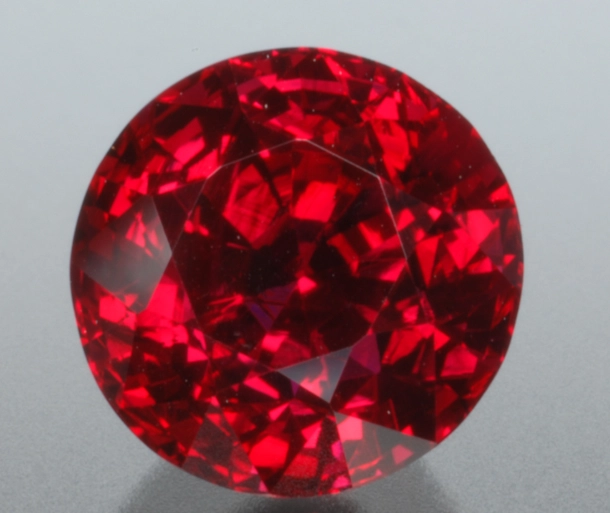
You see a deep red garnet ring in a shop window. It's beautiful. Is it a steal or a splurge? The short, frustratingly honest answer is: it depends completely on which garnet you're talking about. Asking if garnet is expensive is like asking if a car is expensive without specifying if it's a used sedan or a new Ferrari. The garnet family is vast, with prices spanning from "very accessible" to "investment-grade." Let's cut through the confusion.
What You'll Discover in This Guide
The Short Answer: No, Not Always
Most people picture the classic, wine-red Almandine garnet. For a standard, decent-quality 1-carat Almandine, you're looking at roughly $50 to $200 per carat for the gemstone alone. That's firmly in the affordable-to-mid-range category. You can find pretty garnet jewelry for a few hundred dollars.
But here's where most articles stop, and where the real story begins. I've seen collectors pay over $5,000 per carat for a top-color, eye-clean Demantoid garnet. The price range isn't a gentle slope; it's a cliff.
The Core Misconception: Treating "garnet" as a single gem. It's a mineral group with over 20 members, and the price differences between them are staggering. The name on the receipt matters more than the word "garnet."
What Actually Drives a Garnet's Price?
Forget generic "4Cs" advice. With garnets, the hierarchy of importance shifts. Here’s what moves the needle, in order of impact.
1. The Specific Type (Species & Variety)
This is the #1 factor, full stop. A Tsavorite and a Rhodolite might both be called "garnet," but their markets are worlds apart. Knowing the type is non-negotiable.
2. Color (The Most Nuanced Factor)
It's not just "red." We're talking hue, tone, and saturation. A brownish-red is cheap. A pure, vibrant raspberry red (Rhodolite) commands a premium. A rich, emerald-green (Tsavorite) is in another league. The rarest color for a given type always wins.
3. Clarity & The "Horsetail" Inclusion
For most gems, inclusions lower value. For Demantoid garnet, the presence of a delicate, golden "horsetail" inclusion increases its value and confirms its natural origin. It's a unique garnet quirk. For other types, eye-clean stones are preferred, but some silk (like in certain Rhodolites) is tolerated if the color is superb.
4. Cut & Carat Weight
Garnets are often cut to preserve weight, leading to windows (light falling through) or poor proportions. A well-cut stone that maximizes brilliance will cost more per carat. Large, clean specimens of rare types (Tsavorite over 2 carats, clean Demantoid) see exponential price jumps.
Garnet Types & Price Ranges: A Real-World Breakdown
Let's get specific. Prices are per carat for commercial to fine quality, gemstone only (not set in jewelry). These are 2024 market estimates based on wholesale and retail observation.
| Garnet Type | Typical Color | Price Range Per Carat (Approx.) | Why This Price? |
|---|---|---|---|
| Almandine | Deep red, burgundy | $25 - $200 | The most common. Abundant material keeps prices low. Fine, well-cut gems with great color hit the top end. |
| Rhodolite (Pyrope-Almandine mix) | Purplish-red, raspberry | $100 - $600 | Beloved for its attractive hue. More sought-after than standard Almandine. Clean, vibrant stones from good sources (like Tanzania) are pricier. |
| Pyrope | Blood red, sometimes with brown | $50 - $300 | Similar to Almandine in availability. The famous "Arizona ruby" is Pyrope. Color is key. |
| Spessartine (Mandarin Garnet) | Vivid orange, orange-red | $200 - $1,000+ | Rarer. The pure, saturated mandarin orange from Nigeria is highly desirable. Prices soar for clean stones over 1 carat. |
| Tsavorite (Grossular) | Vivid green | $500 - $5,000+ | A rival to emerald but with more brilliance and fewer inclusions. Rarity, especially in larger sizes, drives high prices. A 3+ carat, fine Tsavorite is a major investment. |
| Demantoid (Andradite) | Grass green to emerald green | $1,000 - $10,000+ | The king of garnets. Prized for its exceptional brilliance (higher than diamond) and rarity. Top-color Russian material with horsetails is collector territory. |
| Mali Garnet (Grossular-Andradite) | Yellow, yellow-green, chartreuse | $300 - $1,500 | A relatively new find (1990s). Valued for its bright, sunny colors and high brilliance. Still more accessible than Tsavorite/Demantoid. |
See the spread? A $50 Almandine and a $8,000 Demantoid are both garnets. This table is why the initial question is almost meaningless without context.
How Does Garnet Value Stack Up Against Other Gemstones?
Let's position garnet in the broader market. Think of it in tiers.
The Affordable Tier (Almandine, Pyrope): These are often cheaper than a comparable Amethyst, Citrine, or Blue Topaz. They're a fantastic value-for-money option for colored gemstone jewelry.
The Mid-Range Contenders (Rhodolite, Spessartine): They compete directly with nicer Tanzanites, some Sapphires (like lighter yellows), and tourmalines in the same color range. You're getting unique color at a potentially better price point.
The High-End Players (Tsavorite, Demantoid): Here, garnet enters the arena of fine jewelry. Tsavorite is a direct, often more brilliant alternative to Emerald (and can be more expensive per carat than mid-quality emeralds). Demantoid is in a league of its own, with prices competing with fancy color sapphires and fine rubies on a per-carat basis for top specimens.
One personal observation: I think Rhodolite offers one of the best "bang for your buck" ratios in the gem world. You get a durable, brilliantly colored stone that doesn't break the bank, yet most people will assume it's a more expensive ruby or spinel.
Smart Buying: Real-World Scenarios & Pitfalls
Let's apply this. Imagine you're shopping.
Scenario 1: You want a January birthstone ring under $500.
Focus on Almandine or Rhodolite. Look for a well-cut stone around 0.75-1 carat. Be open to smaller accent stones or melee to make the piece look more substantial. Avoid vague descriptions like "red garnet"—ask for the type. A local jeweler or reputable Etsy seller with gemological knowledge is a good bet.
Scenario 2: You're looking for a unique engagement ring center stone with a $3,000 budget.
You could get a stunning 1.5-carat Rhodolite or a beautiful 1-carat Mali or Spessartine. You might even find a smaller, eye-clean Tsavorite (under 0.5 carat). The key is prioritizing color and cut over sheer size. Work with a custom jeweler who sources individual stones.
Common Pitfall: Buying "green garnet" online without specification. It could be a $100 Grossular (often lighter, minty green) or a $3,000 Tsavorite. The listing must specify the variety.
Another Pitfall: Assuming all red garnets are the same. A poorly cut, dark Almandine can look almost black. Insist on videos or images in multiple lights. A good garnet should glow.
Your Garnet Value Questions Answered
So, is a garnet an expensive gem? The final answer is a firm it depends. The garnet family offers a spectrum from everyday affordability to breathtaking luxury. Its value is a direct reflection of its specific type, color, and rarity. Armed with this knowledge, you're no longer just asking if garnet is expensive—you're equipped to identify which garnet represents real value for your taste and budget. That's the power of looking beyond the single name to the incredible diversity beneath.
For authoritative information on garnet species and varieties, refer to the Gemological Institute of America's (GIA) garnet gem encyclopedia.