You're shopping for a November birthday gift, and you hit a snag. Some sites say the birthstone is sunny citrine. Others insist it's elegant topaz. Which one is right? The answer is both, and that's what makes November unique. It's not a mistake or a modern marketing ploy. The reason November has two official birthstones is a fascinating mix of ancient history, gemology, and a bit of cultural evolution. It gives November babies a fantastic choice between two gorgeous, warm-hued gems. Let's dig into the real story.
What You'll Discover in This Guide
The Historical Roots: How Did We Get Here?
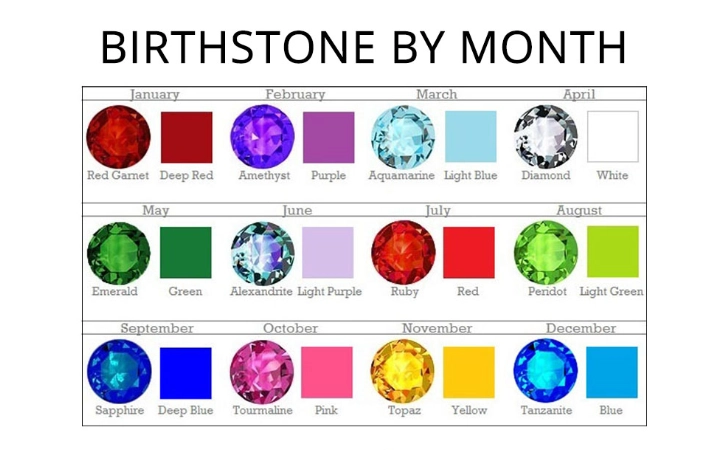
The idea of birthstones dates back to the Breastplate of Aaron described in the Book of Exodus, with twelve stones representing the tribes of Israel. Fast forward centuries, and these became linked to calendar months. For a long, long time, topaz was the sole traditional stone for November. Its name might come from the Sanskrit "tapas," meaning fire, which fits its classic golden hues.
So where did citrine come from? It wasn't a sudden addition. Citrine, a variety of quartz, has been used in jewelry for ages but was often confused with topaz because of their similar colors. In fact, the term "citrine" itself comes from the French "citron," for lemon. The big shift happened in the early 20th century.
The 1912 Pivot: The American National Association of Jewelers (now Jewelers of America) met in Kansas City. Their goal was to standardize a modern birthstone list to help... well, sell more jewelry. They looked at tradition, availability, and aesthetics. They kept topaz for November but officially added citrine. Why? A few practical reasons. First, citrine offered a more affordable alternative to the sometimes-pricey natural topaz. Second, its consistent sunny color was appealing and distinct. This 1912 list became the bedrock of the modern birthstone system we know today, and it's why November proudly claims two.
It wasn't arbitrary. It was a deliberate move to give consumers choice. Think of it like having two official state flowers—both are valid, both represent the month, and you can pick your favorite.
Meet the Gems: Citrine vs. Topaz Side-by-Side
At a glance, they can look similar, but they're fundamentally different minerals. Here’s a breakdown that goes beyond the basic specs.
| Feature | Citrine (The Sunshine Quartz) | Topaz (The Imperial Stone) |
|---|---|---|
| Mineral Family | Quartz (Silicon Dioxide) | Topaz (Aluminum Silicate Fluoride) |
| Hardness (Mohs Scale) | 7 - Durable for daily wear | 8 - Excellent for daily wear, harder than citrine |
| Typical Color Range | Pale yellow to deep amber, "Madeira" red-brown. Almost always warm tones. | Vast! Colorless, yellow, orange, pink, red ("imperial"), blue, brown. Natural yellow/orange is classic Nov. |
| A Key Thing Most Sites Miss | Over 95% of "citrine" on the market is heat-treated amethyst or smoky quartz. Natural citrine is rarer and often a paler, cooler yellow. | Most blue topaz (like London Blue) is irradiated and heat-treated colorless stone. Natural blue topaz is extremely rare. |
| Price Point (General) | Very affordable, even in large sizes. Great for statement pieces. | Wider range. Yellow/orange is moderately priced; rare colors like natural pink or imperial red command high prices. |
| Care Quirk | Sunlight won't fade it. Stable color. | Prolonged exposure to intense heat or sunlight *can* fade some yellow/brown topaz over many years. |
My Personal Take on the Color Confusion
Working with gems, I see the mix-up all the time. The biggest pitfall for new buyers is assuming "topaz" on a tag means a rich, golden stone. Not necessarily. If you see a vibrant, electric blue stone sold as "topaz," it's almost certainly treated. That's not bad—it's a stable, beautiful treatment—but you should know what you're buying. The natural yellow of topaz tends to be softer, more champagne than lemon. Citrine, especially the heat-treated kind, delivers that punchy, consistent orange-gold people often envision when they think "November birthstone."
How to Choose Between Citrine and Topaz for Your Jewelry
This isn't just about color preference. Think about the piece's life.
Choose Citrine if:
- You want maximum sparkle and size for your budget. You can get a huge, clean citrine for the price of a small topaz.
- You love a bold, warm, sunny color that doesn't vary much from stone to stone.
- The jewelry is for occasional wear or you're on a tight budget. It's still durable (7 on Mohs is good), but topaz is harder.
- You're drawn to the lore of quartz—amplifying energy, promoting positivity.
Choose Topaz if:
- Durability for daily wear is your top concern. An 8 on the Mohs scale makes it a superb choice for an engagement ring alternative or a right-hand ring you never take off.
- You prefer a stone with a wider variety of natural color subtleties, or you're intrigued by the rare imperial colors.
- You value the weightier feel. Topaz has a higher specific gravity than citrine, so it will feel heavier in your hand for the same size—it just has a more substantial presence.
- You connect with its historical significance as the original November stone, symbolizing strength and wisdom.
I once had a client who wanted a November birthstone pendant for her daughter who was a nurse. Her hands were constantly in and out of gloves and sanitizer. We chose a simple bezel-set yellow topaz. The hardness gave her peace of mind that it could handle an active life. For another client who wanted dramatic cocktail earrings, large citrines were the perfect, budget-friendly choice.
Common Misconceptions and What Jewelers Don't Always Tell You
Let's clear the air on a few things.
"Citrine is just cheap topaz." No. They are completely different minerals. It's like calling a lemon a cheap orange. Citrine is quartz; topaz is topaz. One isn't a "lesser" version of the other—they're different products with different pros and cons.
"The two-stone system is just a sales tactic." While the 1912 list had commercial motives, the result is genuinely positive for you, the buyer. More choice is good. It allows for personal expression and different budgets. It also reflects historical reality where these stones were used interchangeably for centuries.
"All yellow topaz is natural." Not always. Some colorless topaz is heated to produce a stable yellow color. Again, treatment isn't inherently bad, but transparency is key. Reputable sellers like those providing reports from the Gemological Institute of America (GIA) will disclose this.
The most important thing? Ask questions. "Is this citrine natural or heat-treated?" "Is this topaz's color natural?" A good jeweler will have the answers.
Your November Birthstone Questions, Answered
So, why does November have two birthstones? It's a blend of ancient tradition meeting modern practicality. Topaz holds the historical crown, while citrine offers vibrant, accessible sunshine. This duality isn't a confusion to solve but a luxury to embrace. Whether you're drawn to the durable elegance of topaz or the joyful abundance of citrine, November gives you permission to choose the gem that truly speaks to you. Now that you know the full story, you can shop—or simply admire—with a much deeper appreciation for both of these remarkable stones.