If you've ever held a fine alexandrite under different lights, you know the feeling. One moment it's a lush, grassy green in daylight. Turn on a lamp, and it shifts to a rich, raspberry red or purplish hue. It's not an optical illusion or a clever trick. That's the real magic of alexandrite, and it's the single biggest reason this gemstone sits on a pedestal for collectors and jewelers. But the color change is just the headline act. Its rarity, its history, and the sheer difficulty of finding a good stone make it one of the most fascinating and special gems on Earth.
What You'll Discover About Alexandrite
The Science Behind the "Emerald by Day, Ruby by Night" Effect
Let's cut past the poetry and get to the physics. Alexandrite is a variety of the mineral chrysoberyl. Its party trick comes from a specific impurity in its crystal structure: chromium. The same element that gives ruby its red and emerald its green.
Here's the non-consensus bit most articles miss: it's not just having chromium; it's about the unique way alexandrite's crystal lattice interacts with light. The chromium atoms sit in a specific site that absorbs specific wavelengths of yellow and blue light. The light source you use changes the game.
Daylight or fluorescent light is richer in blue-green wavelengths. The stone absorbs the red and yellow parts, letting the green dominate. Under incandescent or candle light (richer in red wavelengths), the absorption band shifts, and the red component transmits through. A strong, clear change from a bluish-green to a purplish-red is the gold standard.
Pro Insight: Not all color-change is equal. A weak, muddy shift from olive brown to brownish-red is common in lower-quality or synthetic stones. The most prized alexandrites have a vivid, 100% distinct change—think forest green to amethyst purple. This quality is rarer than people searching online are led to believe.
I remember examining a stone a client was thrilled about. In their dimly lit home, it looked reddish. Under my daylight-equivalent lamp, it just looked… brown. They'd paid for a "color-change chrysoberyl," which is technically correct, but a far cry from the dramatic shift that defines fine alexandrite. Knowing the difference saves money and heartache.
A Royal History and Extreme Rarity
Alexandrite was discovered in the Ural Mountains of Russia in the 1830s and named after the future Tsar Alexander II. Its red and green colors mirrored the old Imperial Russian military colors, making it an instant national treasure.
The original Russian mines are essentially exhausted. Today, material comes from a handful of places, and each has a different character:
- Russian (Classic): The benchmark. Known for the finest, most dramatic color change. You'll almost only find these in antique jewelry or top-tier auctions.
- Brazilian: The main source for decades. Tends to have a slightly more bluish-green in daylight and a strong red under incandescent light. Can produce excellent stones.
- Sri Lankan: Often larger but with a more subtle color change, sometimes from a khaki green to a brownish-red.
- Recent Finds (Tanzania, India, Madagascar): These can produce surprising quality, but consistency is a huge issue. A parcel might have one stunning stone and twenty mediocre ones.
This geographic lottery is a key part of its rarity. You can't just "order" a fine 3-carat alexandrite. You have to wait for one to appear on the market, and you'll compete for it.
How to Spot Real Alexandrite vs. Imitations & Synthetics
This is where most buyers get tripped up. The market is flooded with look-alikes. Here’s a blunt breakdown.
The biggest pitfall: Assuming any stone that changes color is alexandrite. It's not. Synthetic corundum (sapphire) doped with vanadium is the most common imposter. It changes color too, often from a blue to purple, but it's not chrysoberyl. It's worth a fraction of the price.
| Material | Typical Color Change | Key Identifier | Price Point (Relative) |
|---|---|---|---|
| Natural Alexandrite | Green/Bluish-Green → Red/Purplish-Red | Chrysoberyl (Hardness 8.5), Inclusions common | Very High to Extreme |
| Lab-Created Alexandrite | Same as natural (chemically identical) | Too perfect, often flawless, requires gem lab | Low to Moderate |
| Color-Change Synthetic Sapphire | Blue/Gray → Purple/Violet | Corundum (Hardness 9), Different change colors | Very Low |
| Alexandrite-like Glass or Spinel | Often garish, unnatural shift | Low hardness, gas bubbles, too clean | Negligible |
My hard advice: Always get a report from a major gemological laboratory like the GIA (Gemological Institute of America) or AGL (American Gemological Laboratories) for any stone sold as natural alexandrite, especially over 1 carat or costing more than a few hundred dollars. The certificate won't just say "alexandrite"; it will specify "natural" and note any treatments. Reputable sellers expect this and will often have the report ready.
What Determines Alexandrite's Value & A Buying Guide
Forget the standard 4Cs for a moment. With alexandrite, the rules are different.
- Strength of Color Change (Most Important): This is 50% of the value. Vivid, complete change tops everything. A pale shift kills value.
- Colors Themselves: The ideal is a pure green (not yellow or gray) to a pure red (not orange or brown). The more pleasing the colors, the better.
- Clarity: Eye-clean stones are rare. Most have visible inclusions. As long as they don't severely impact durability or brilliance, they're accepted. In fact, inclusions can be proof of natural origin.
- Carat Weight: Prices per carat don't rise linearly; they explode. A 1-cat fine stone is rare. A 3-carat one is a museum piece. Expect to pay significantly more per carat as size increases.
- Cut: A good cutter will orient the rough to maximize the face-up color change, not just weight retention. A poorly cut stone might hide its best feature.
So, what does it cost? Be prepared. Fine natural alexandrite starts around $8,000-$15,000 per carat for a decent small stone (under 1 ct) and can easily reach $50,000-$70,000+ per carat for exceptional material over 1 carat. Lab-created alexandrite is a fantastic, ethical option for enjoying the beauty, costing between $200 and $800 per carat.
Navigating the Purchase: Three Scenarios
Let's make this practical.
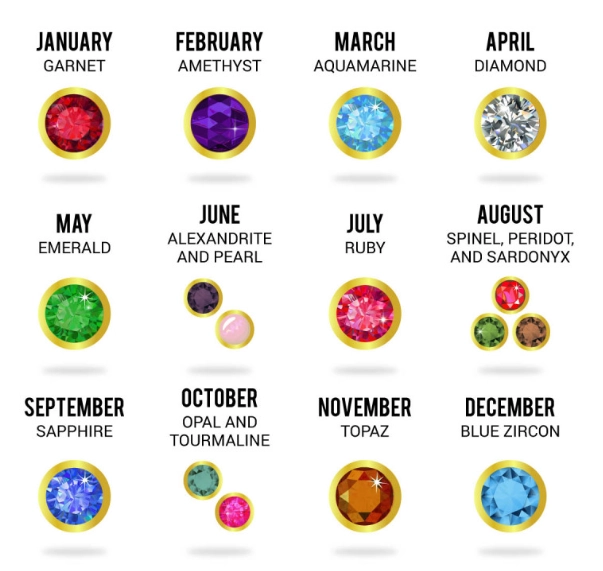
Scenario 1: The Birthstone Buyer. You want a June birthstone with the real alexandrite story. Your budget is under $1,500. Your best bet: A lab-created alexandrite in a simple solitaire setting. You'll get a stunning, large stone with a perfect color change. It's real alexandrite, just created in a lab. Anyone telling you they're selling a natural stone in this range is likely selling synthetic sapphire or glass.
Scenario 2: The Connoisseur's Piece. You want a genuine, natural stone for an heirloom. Budget $5,000+. Your path: Work with a specialist colored gemstone dealer. Be prepared to look at smaller stones (0.5-1 carat). Insist on a lab report. Focus on the color change first, size second. A 0.75-carat stone with a killer change is worth more than a 1.5-cat stone with a weak one.
Scenario 3: The Antique Find. You love history. What to know: Antique jewelry (pre-1950s) often contains smaller, natural Russian or early Brazilian stones. The setting and workmanship add value. Have it checked by a jeweler to confirm the stone isn't a later replacement.
Practical Care and Wearability Tips
With a hardness of 8.5 on the Mohs scale, alexandrite is very durable for daily wear—harder than most gemstones. But it's not indestructible.
I'd avoid wearing it for heavy manual work (gardening, gym). Clean it with warm soapy water and a soft brush. Ultrasonic cleaners are usually safe for natural stones without significant fractures, but I'm cautious. Why risk it? Steamer cleaners are a definite no—the sudden heat stress can cause fractures. For lab-created stones, follow the seller's advice, as some growth methods can make them more sensitive.