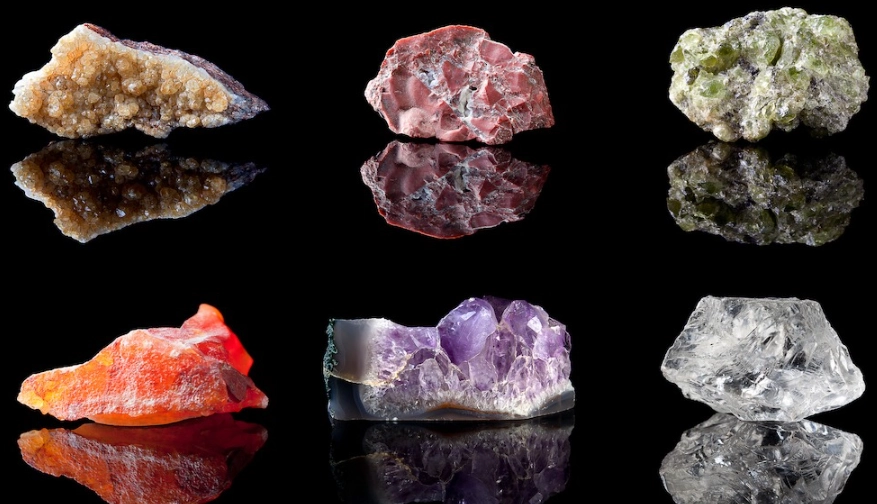
If you're an August baby or shopping for one, you've probably heard the month has three birthstones: the vibrant green Peridot, the versatile Spinel, and the pink-to-red Rhodochrosite. But when it comes to true rarity, which one tops the list? The short, definitive answer is Rhodochrosite. However, that simple label doesn't tell the whole story. Spinel can give it a run for its money in specific contexts, and Peridot's reputation for being common is often misunderstood. As someone who's sourced gemstones for over a decade, I've seen the confusion firsthand. Let's cut through the marketing fluff and look at the hard facts of geology, mining, and market availability to crown the true champion of scarcity.
In This Article: Your Quick Guide
- What Makes a Birthstone "Rare" Anyway?
- Peridot: The Surprisingly Misunderstood Contender
- Spinel: The Dark Horse of Rarity
- Rhodochrosite: The Undisputed (But Flawed) Champion
- Side-by-Side: Rarity Breakdown of All Three
- What This Means for Your Purchase
- Your Rarest August Birthstone Questions, Answered
What Makes a Birthstone "Rare" Anyway?
Before we pick a winner, we need to define the rules. In the gem trade, "rare" isn't one thing. A stone can be rare in one way and plentiful in another. Here’s how experts break it down:
Geological Rarity: How uncommon is the mineral itself in the Earth's crust? Some minerals form under incredibly specific, limited conditions.
Gem-Quality Rarity: This is the big one. A mineral might be fairly common, but the transparent, richly colored, clean material suitable for faceting into a gem? That's a tiny fraction. Think of diamonds—the industrial grade stuff is everywhere, but gem-quality is another story.
Market Availability: Can you actually find it for sale consistently? A stone might exist in vaults or a single depleted mine, making it practically unavailable to the public.
Size and Quality Combination: Finding a large, flawless specimen of any gem is rare. For some stones, anything over a carat in top quality is a museum piece.
With these criteria in mind, let's evaluate each August birthstone.
Peridot: The Surprisingly Misunderstood Contender
Peridot gets a bad rap. Many people think it's cheap and abundant because they've seen small, yellowish-green stones in budget jewelry. That's like judging all cars based on a used sedan. The truth is more nuanced.
Peridot is the gem variety of the mineral olivine. It's actually quite common in the Earth's mantle and is brought to the surface by volcanic activity or, incredibly, in pallasite meteorites. So yes, the mineral is widespread. But here's the catch most articles miss: high-quality, large Peridot is not easy to find.
The legendary source on San Carlos Apache land in Arizona produces vast quantities of small stones. But try finding a clean, vibrant "lime green" Peridot over 10 carats. The supply tightens dramatically. Even more prized is the material from Myanmar (Burma), known for its rich, saturated green color and sometimes larger sizes. This material is genuinely scarce on the market.
I once had a client insist on a 15-carat Burmese Peridot for a ring. It took eight months of networking with specialized dealers to find one, and the price per carat was closer to a fine sapphire than the Arizona material. So, while Peridot isn't the rarest in a general sense, its top-tier specimens absolutely belong in the rarity conversation.
Spinel: The Dark Horse of Rarity
Spinel is the comeback kid of gemstones. For centuries, the best red Spinels were mistaken for rubies (the "Black Prince's Ruby" in the British Imperial State Crown is actually a Spinel). Today, it's cherished for its own merits. Its rarity profile is fascinating and highly specific.
Spinel forms in the same marble deposits as rubies, but under slightly different chemical conditions. While Spinels can be found in many colors, the truly rare ones are defined by their origin and hue.
- Common: Smaller, lavender, grayish, or pale blue Spinels from various sources.
- Uncommon: Vivid hot pink and red Spinels from Myanmar and Tanzania.
- Extremely Rare: The legendary "Jedi Spinel" from Myanmar—an intensely saturated, pure red or pink with no secondary brown or gray tones. Also, fine cobalt-blue Spinel from Vietnam and Sri Lanka, which is arguably one of the rarest colored gemstones of all.
The Gemological Institute of America (GIA) has noted the dramatic increase in demand and value for top-color Spinels from classic sources. A 5-carat "Jedi" red Spinel is now a major auction house item. In terms of gem-quality material from desirable sources, Spinel gives Rhodochrosite serious competition. Its rarity is just more concentrated in specific color categories.
Rhodochrosite: The Undisputed (But Flawed) Champion
Now we come to Rhodochrosite. If we're talking about the sheer difficulty of obtaining any faceted gem-quality material for jewelry, this one wins. Hands down.
Rhodochrosite is a manganese carbonate mineral. Its stunning raspberry-pink to red color comes from manganese. The problem? It's notoriously soft (hardness of 3.5-4 on the Mohs scale) and has perfect cleavage in three directions, making it a nightmare to cut. A lapidarist can spend days on a stone only to have it shatter with one wrong tap.
The Real Kicker: Most of the Rhodochrosite you see—those beautiful banded pink and white pieces—is an opaque ornamental material used for cabochons, carvings, and beads. It's lovely, but not what we're discussing. Faceted, transparent Rhodochrosite is a whole different beast. The primary source for gem-quality crystals has historically been the Sweet Home Mine in Colorado, USA, which is now essentially depleted. Argentine material sometimes yields facetable rough, but it's inconsistent and often heavily included.
I've handled maybe a dozen truly clean, well-cut Rhodochrosites over 2 carats in my career. They feel like minor miracles. The combination of geological scarcity, the near-impossibility of cutting, and the lack of active major mines for gem material seals its status as the rarest August birthstone in practical terms. You simply cannot walk into a jeweler and expect to find a selection of faceted Rhodochrosites.
Side-by-Side: Rarity Breakdown of All Three
This table sums up where each stone stands. It clarifies why the answer isn't just a single name.
| Gemstone | Geological Rarity | Gem-Quality Rarity | Market Availability (Faceted) | Rarity Verdict |
|---|---|---|---|---|
| Peridot | Low. Mineral is common. | Medium-High for top color/large sizes (esp. Burmese). Low for small, commercial grade. | Very High for small, commercial stones. Low for large, fine-quality stones. | Common in general, but rare at the high end. |
| Spinel | Medium. Found in specific deposits. | Very High for top reds (Jedi), cobalt blues. Medium for other colors. | Low for finest colors. Moderate for other qualities. | Conditionally very rare. Rarity is color/origin-specific. |
| Rhodochrosite | High for facetable crystals. | Extremely High. The vast majority of material is opaque or unsuitable for faceting. | Very Low to Nonexistent for clean, faceted stones. | The overall rarest, due to a perfect storm of factors. |
What This Means for Your Purchase
Knowing the rarity scale changes how you shop.
If you want something truly unique and conversation-starting: Hunt for a faceted Rhodochrosite. Be prepared for a long search, a high price per carat, and to accept inclusions. Consider it an investment in rarity. Protect it in pendants or earrings, not rings.
If you love red and want an heirloom-quality stone: A fine red or pink Spinel from Myanmar or Tanzania is a brilliant choice. Its durability is excellent (hardness 8), and its rarity in that color range is recognized and growing in value. Verify its origin with a reputable dealer.
If you love the August green and want beauty and durability: Don't shy away from Peridot. Just aim for the best color you can afford—a vibrant, saturated green without brown or yellow tones. A 3-carat stone with great color is more impressive and rarer than a 10-carat washed-out one.
A quick warning: The market is flooded with dyed howlite or magnesite masquerading as Rhodochrosite, and synthetic Spinel is common. Always ask for a report from a recognized lab like GIA or AGL for any significant purchase.