You see it in sunset skies, autumn leaves, and a precious gem that's not a stone at all. Amber color. That rich, warm, honeyed hue feels instantly familiar and comforting. But there's a depth to this color that most people miss. It's not just a shade; it's a capsule of ancient history, a symbol with weight, and a gem material that's incredibly easy to get wrong if you don't know what to look for. I've spent over a decade working with gemstones, and I can tell you, the amount of misinformation about amber is staggering. People buy plastic thinking it's fossilized treasure. They misunderstand its care. They miss the subtle stories its color tells. Let's fix that.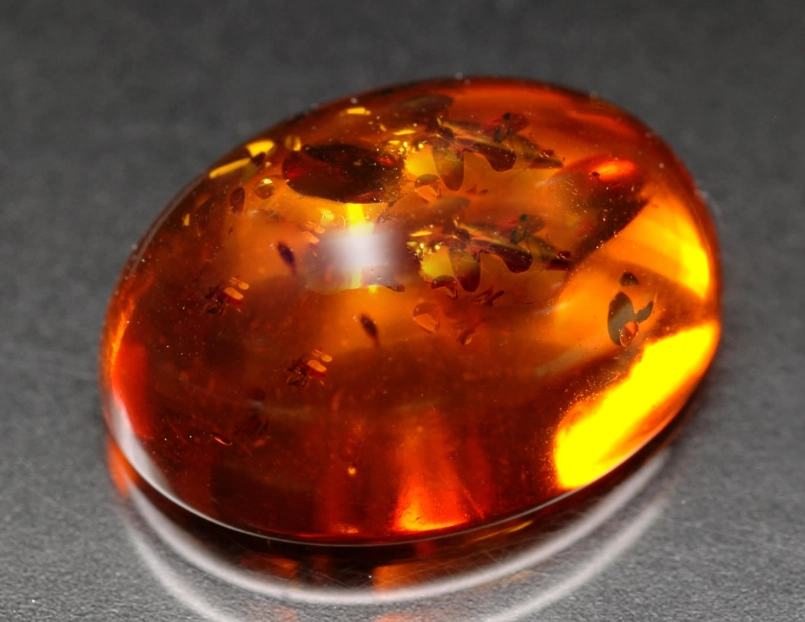
What You'll Discover About Amber
The Science and Symbolism of Amber Color
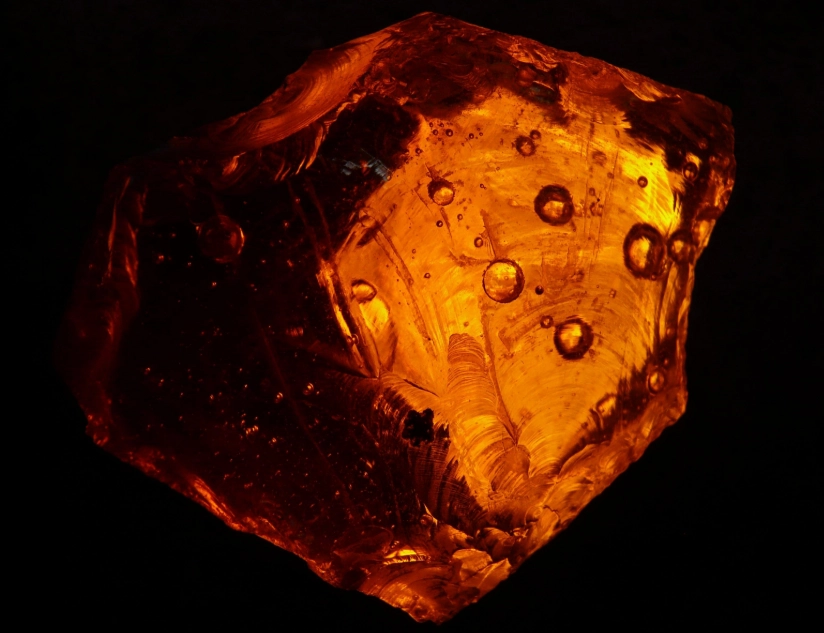
Where does that distinctive amber color come from? Forget paint swatches. This color is organic chemistry frozen in time. Amber is fossilized tree resin, primarily from ancient conifers. The classic honey-yellow to orange-brown tones are the result of oxidation and the natural aging of the organic compounds within the resin over millions of years. Think of it like a leaf turning brown in autumn, but on a geological timescale.
The color palette isn't monochrome. It ranges dramatically:
- Buttery Yellow: Often younger or less oxidized resin.
- Cognac or Honey Gold: The classic, most sought-after amber color.
- Rich Orange-Brown: Deeply oxidized, exuding warmth.
- Rare Cherry Red ("Cherry Amber"): Caused by prolonged exposure to heat and air in the soil.
- Even Rarer Green or Blue: These are often due to microscopic inclusions or specific soil conditions, like the famous Baltic blue amber that fluoresces.
Symbolically, amber color has carried meaning for millennia. It's associated with the sun, warmth, and energy. In many cultures, it was believed to hold protective powers, warding off illness. It symbolizes endurance and preservation—literally holding insects and plant matter from a lost world within its grasp. That's a powerful metaphor you don't get from a synthetic bead.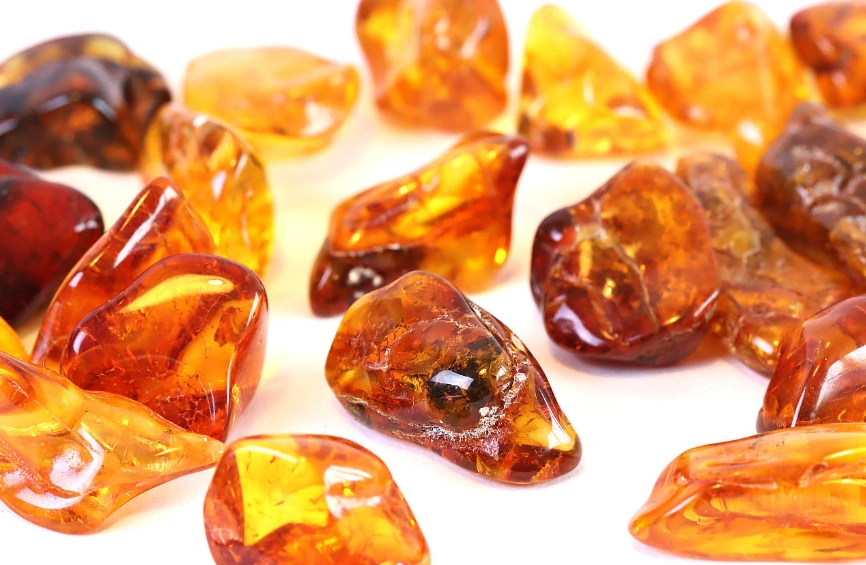
Amber as a Gemstone: Key Properties and What Makes It Unique
Amber breaks all the rules of a typical gemstone. It's warm to the touch, lightweight, and soft. This creates specific joys and challenges.
| Property | Description | Practical Implication |
|---|---|---|
| Hardness | Very low (2-2.5 on the Mohs scale). | Scratches easily with a knife or even a fingernail. Store it separately from other jewelry. |
| Weight | Extremely lightweight. It will float in saltwater. | Feels surprisingly light for its size, a key identification test. |
| Feel | Warm to the touch, not cold like glass or crystal. | A quick, subjective test. Real amber feels less chilly against your skin. |
| Static Electricity | Becomes electrically charged when rubbed. | Rubbing it on wool can attract tiny bits of paper—a fun parlor trick. |
| Composition | Organic, not crystalline. Made of complex hydrocarbons. | Vulnerable to chemicals, perfumes, and heat. Can become sticky or damaged. |
One subtle point experts notice: real amber often has tiny, natural imperfections—minute bubbles, flow lines from when it was viscous resin, or specks of ancient dust. An utterly flawless, perfectly uniform orange bead is a major red flag for plastic or copal (young, unfossilized resin).
How to Identify Genuine Amber: A Practical Guide to Avoid Fakes
This is where most buyers trip up. The market is flooded with imitations: plastic, glass, and copal. Here’s how to play detective.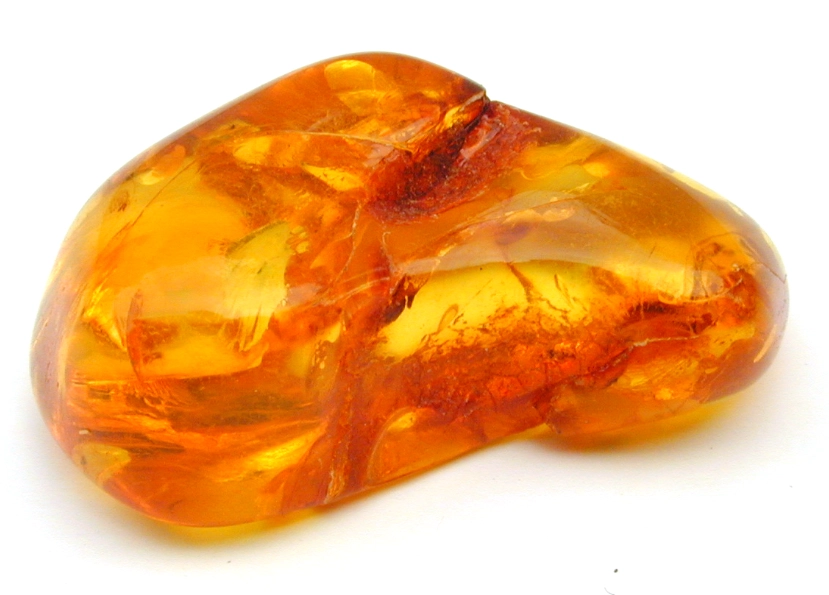
The Saltwater Test (The Most Reliable Home Test)
Mix 7-8 tablespoons of salt into a cup of warm water. Stir until fully dissolved. Genuine amber, due to its low density, will float. Plastic and glass will sink. It's that simple. Remember to rinse the piece afterward with fresh water.
The Hot Needle Test (Use with Extreme Caution)
Find a discreet spot, like the back of a bead or a setting point. Gently touch it with a hot needle (heated over a flame). Real amber will emit a faint, piney or resinous smoke smell. Plastic will smell acrid and chemical, like burning plastic. Copal will melt much more easily and smell strongly of pine. Warning: This is a destructive test. Leave a tiny mark. Only do this if you own the piece or have seller permission.
Visual and Touch Clues
Look for natural inclusions. Are they perfectly centered, symmetrical insects? That's a sign of a modern fake where the bug was inserted. Real inclusions are often distorted, asymmetrical, and look trapped. Feel the weight. Does it feel too heavy for its size? Be suspicious. Check for uniformity of color. Natural amber can have slight cloudiness, color gradients, or tiny fractures.
My personal rule: if a deal on an "antique amber" necklace seems too good to be true, it probably is. Vintage amber that's been cared for has a specific patina and wear that's hard to fake perfectly.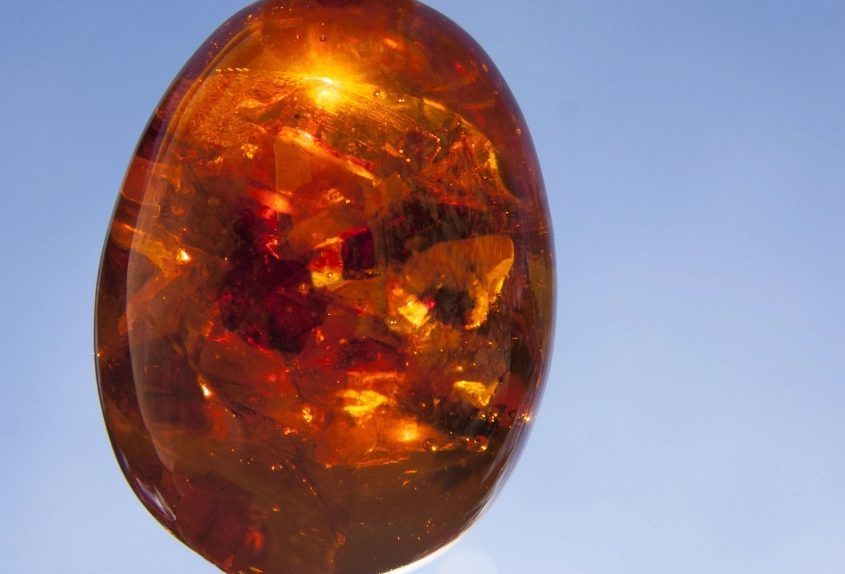
Amber in Jewelry and Design: Wearing the Sun
Amber's warmth makes it incredibly versatile in jewelry. It complements both gold and silver settings, adding an organic, earthy element.
For Everyday Wear: Choose pieces with protective settings. Bezel settings that surround the amber are better than prong settings which can snag and break the soft material. Pendants and earrings are safer than rings or bracelets which endure more impact.
Color Pairing: Amber color works beautifully with autumn tones—deep greens, burgundies, navy blues, and creams. It can also brighten up a simple black or white outfit as a statement piece.
Care is Non-Negotiable:
- Never clean amber with ultrasonic cleaners, steam, or harsh chemicals.
- Wipe gently with a soft, damp cloth and mild soapy water, then dry immediately.
- Store it wrapped in a soft cloth, away from other jewelry that could scratch it.
- Always put perfume and hairspray on before your amber jewelry. The alcohol can cloud the surface.
The trend towards sustainable and ethical jewelry has also spotlighted amber. When sourced responsibly from regions like the Baltic states, it's a natural, minimally processed material with a lower environmental footprint than mining new gemstones. Look for sellers who can talk about the origin of their amber.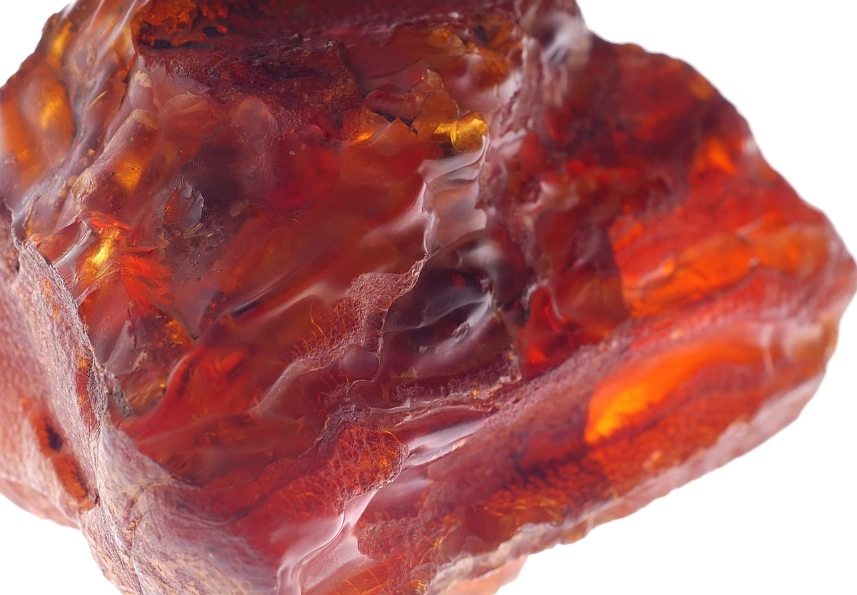
Your Amber Questions Answered
 What's the difference between amber color in Baltic amber vs. Dominican amber?
Understanding amber color is about appreciating its origin. It's not a mined crystal; it's preserved sunlight and ancient forests. That warmth you feel isn't just an illusion. It's the memory of a tree, captured in a hue that continues to captivate us. When you hold a piece of genuine amber, you're holding a moment from millions of years ago. That’s a story worth knowing how to identify.