So, you're asking, "What is another name for turquoise?" That's a sharper question than it seems. It's not just about finding a synonym. The other names for turquoise are a map—a map of ancient trade routes, geological quirks, marketing genius, and sometimes, buyer confusion. The most famous answer is "Turkish Stone" or simply "Turkey Stone." But that name is a historical mix-up, a case of mistaken identity that stuck. The stone we know as turquoise never actually came from Turkey in ancient times. Persian mines supplied it, and Venetian merchants transported it through Turkish trade hubs to Europe. Buyers saw the stone arriving from Turkey and named it accordingly: pierre turquoise (French for "Turkish stone"), which became "turquoise." That's your core alias, born from a 500-year-old shipping label error.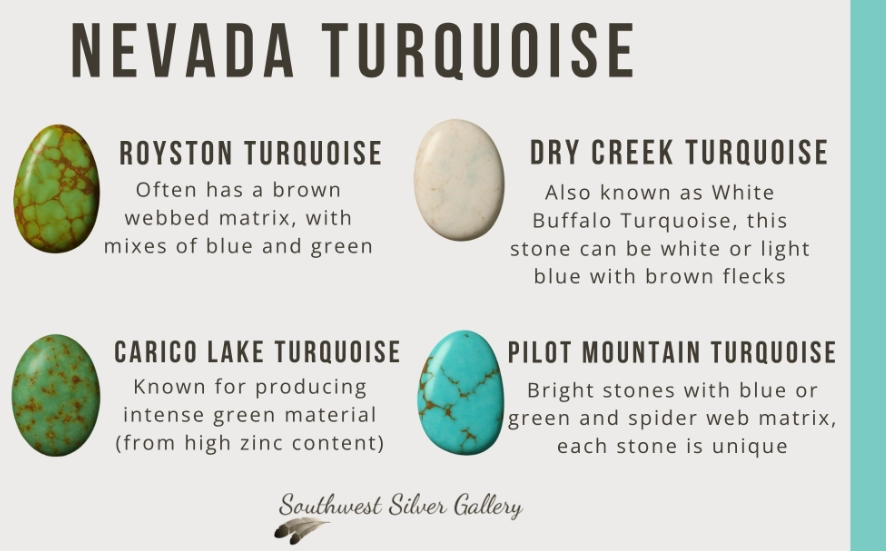
Quick Navigation: Your Guide to Turquoise Names
The "Turkish Stone" Mix-Up: The Primary Alias
Let's dig deeper into that main alias. The journey from Persian mines to European nobles created the name. But here's a nuance most articles miss: this misnomer actually helped the stone's popularity. An exotic name from a far-off land added to its allure. In many European languages, the connection is still direct: türkis in German, turchese in Italian, turquesa in Spanish.
You might also hear it called "Persian Turquoise" when referring to the classic, sky-blue material from modern-day Iran. This is the gold standard, the color against which all others are judged. So, "Turkish Stone" speaks to its travel route, while "Persian Turquoise" speaks to its ancient source. Both are correct in their own historical context.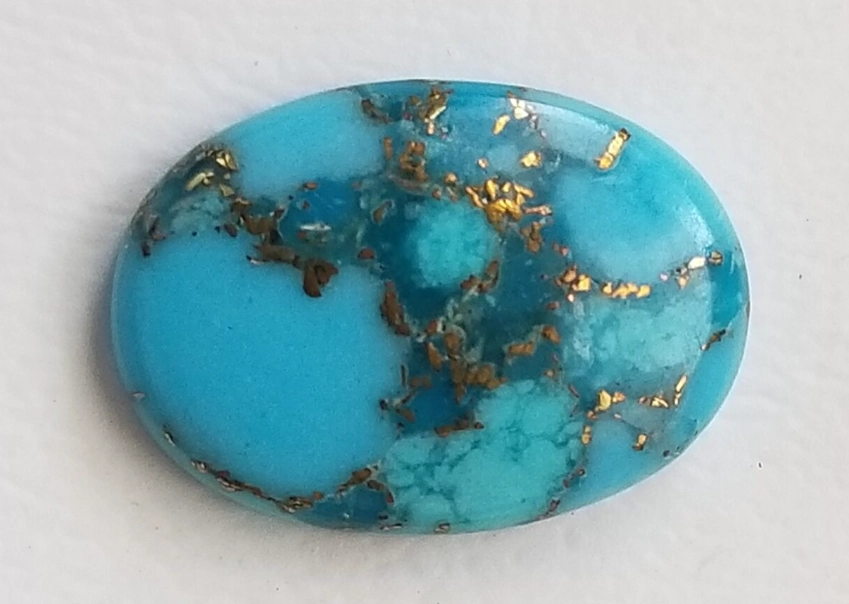
Names From the Earth: Mine & Locality Titles
This is where it gets exciting for collectors and jewelers. The most valuable and specific aliases for turquoise come from its birthplace. These aren't just names; they're reputations. A piece labeled "Sleeping Beauty" commands a different price and prestige than one labeled "Kingman."
These mine names often describe color and matrix (the web-like host rock). They're like appellations for wine.
| Mine/Locality Name | What It Typically Means (Color & Character) | Why the Name Matters |
|---|---|---|
| Sleeping Beauty Turquoise | A consistent, clean, robin's-egg blue with little to no matrix. From the (now closed) Sleeping Beauty Mine in Arizona. | The benchmark for pure blue turquoise. Highly sought after, especially in Southwest jewelry. Its closure made existing material more collectible. |
| Persian Turquoise | Intense, medium sky-blue color, often with no matrix. Historically from Iran (Persia). | Synonymous with the classic, high-quality turquoise ideal. The name itself implies top-tier color, even if the stone now comes from elsewhere. |
| Bisbee Turquoise | Deep, dark blue to blue-green, often with a striking chocolate-brown or red-brown matrix. From the Bisbee Mine in Arizona. | Known for its dramatic, high-contrast webbing. The mine is closed, making genuine Bisbee a collector's item. Be wary of fakes using this name. |
| Kingman Turquoise | Comes in a wide range of blues and greens, often with a bold black or brown spiderweb matrix. From the Kingman Mine in Arizona. | One of the most commercially available American turquoises. The name covers a broad spectrum, so asking for more specific color description is key. |
| Royston Turquoise | Distinctive deep green to deep blue colors, with dark brown or black matrix that often forms unique patterns. | Prized for its rich, often darker hues and beautiful patterning. Specific pits within the district (like Oscar Wehrend) have their own followings. |
| Carico Lake Turquoise | Famous for its unique lime green colors, though it also produces blues. The matrix can be brown or black. | The green variety is highly distinctive and valuable. It challenges the "blue-only" perception of turquoise, showing its true color range. |
Here's my personal take after years in the trade: people get too hung up on mine names alone. A mid-grade stone from a famous mine can be inferior to a top-grade stone from a lesser-known locality. The name adds a story and a premium, but always judge the stone in front of you—its color, hardness, and beauty—not just its label.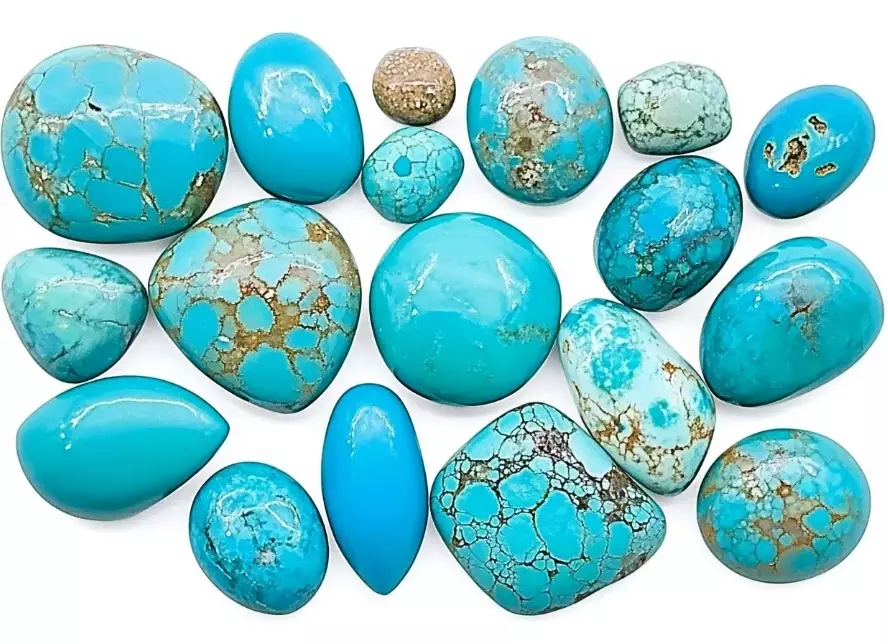
The "Stabilized" Debate: Treatment & Market Names
This is the murkiest, most important area when discussing what turquoise is called. Most turquoise on the market is too porous and soft to be cut and polished in its natural state. It needs help. That help changes what it's called.
Natural/Untreated Turquoise: This is the holy grail. It's turquoise that is hard enough (usually a Mohs 5 or above) to be cut, polished, and set without any artificial enhancement. It's rare, expensive, and often comes from just a few locations. It can only be called "natural" if nothing has been done to it beyond cutting and polishing.
Stabilized Turquoise: Over 95% of the turquoise in jewelry has been stabilized. This means the porous stone has been infused under pressure with a clear resin (like epoxy or acrylic) or sodium silicate. This process hardens it, enhances its color, and makes it durable for jewelry use. This is a standard, accepted practice. It should always be disclosed as "stabilized." The name tells you it's been treated for practicality.
Enhanced/Treated Turquoise: This is a broader category that includes stabilization but can also refer to other processes. The most common is dyeing, where a lighter or greener stone is dyed to a more desirable blue. Another is waxing or oiling, a surface treatment that temporarily deepens color but wears off. If a stone is just called "treated," ask for specifics.
Reconstituted Turquoise: This isn't really turquoise in the gemological sense. It's made from pulverized, low-quality turquoise powder mixed with resin and dye, then pressed into blocks. It's a manufactured product. It should be sold as "reconstituted" or "block." Calling it just "turquoise" is misleading.
I've seen too many buyers feel cheated when they later learn their "natural Sleeping Beauty" ring is actually stabilized. The name wasn't a lie, but the full story wasn't told. Always ask: "Is this natural, stabilized, or treated?" A reputable seller will answer directly.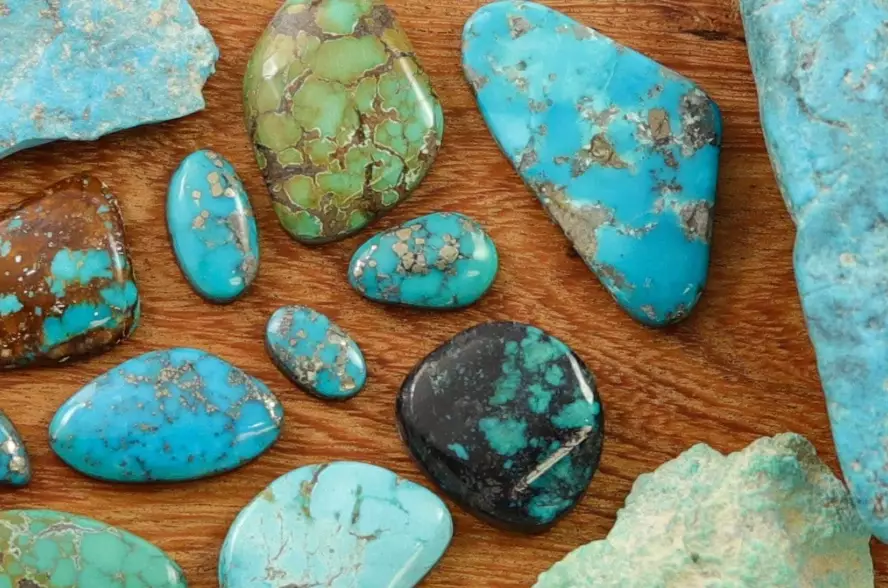
Buying the Right Name: A Practical Guide
How do you navigate this world of aliases when you're ready to buy? Forget the poetry; think like a detective.
For Jewelry Buyers: The Two-Question Rule
When you see a piece you like, ask these two questions in this order:
1. What is the treatment? Start here. Get a clear answer: Natural, Stabilized, Dyed, Reconstituted. If the seller hesitates or says "all turquoise is treated," that's a red flag. They should know.
2. What is the source or mine name? Once you know what's been done to it, then ask where it's from. A seller proudly offering "stabilized Kingman web turquoise" is giving you the full, honest picture. That's a good sign.
The price should reflect the answers. Natural stones cost significantly more than stabilized. A famous mine name adds a premium over "American turquoise."
For Collectors & Enthusiasts: Digging Deeper
Your focus shifts to provenance and documentation.
Certificates Matter: For high-value natural pieces, a lab report from a recognized gemological institute (like GIA or AGL) is worth the cost. It will specify if the stone is natural and may comment on its likely origin.
Matrix as a Fingerprint: Learn to recognize matrix patterns. The specific brown and black webbing of Bisbee or the bold patterns of Royston are hard to fake perfectly. Comparing your stone to verified photographic references from trusted sources like the Turquoise Museum or established collector guides can help.
Remember, the most beautiful name won't make a poorly colored or badly cracked stone valuable. The name should confirm what your eyes already see: a beautiful, durable gem.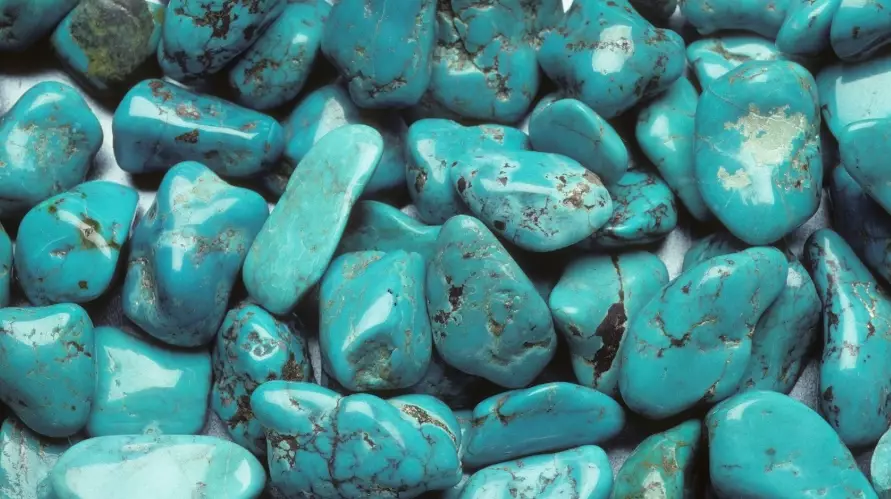
Frequently Asked Questions on Turquoise Names
I see "American Turquoise" everywhere. Is that a specific type or just a generic label?
It's primarily a generic label, but it carries some meaning. It tells you the stone likely came from the Southwestern United States (Arizona, Nevada, New Mexico, Colorado), which is a major source. However, it doesn't tell you the mine, quality, or treatment. It's a starting point, not a finish line. Always ask for more specifics beyond "American." A seller who knows their stock will offer more: "It's stabilized American turquoise from the Morenci district in Arizona."
What's the difference between "Sleeping Beauty Turquoise" and just "Sleeping Beauty Blue"?
This is a crucial distinction. "Sleeping Beauty Turquoise" should refer to material actually mined from the Sleeping Beauty Mine in Globe, Arizona. Since the mine's closure, this supply is finite. "Sleeping Beauty Blue" is a color descriptor used for any turquoise (or even simulants) that matches that specific, even, robin's-egg blue color. A stone called "Sleeping Beauty Blue" may be from another mine altogether or be a treated stone dyed to that hue. The first is a provenance; the second is just a color match.
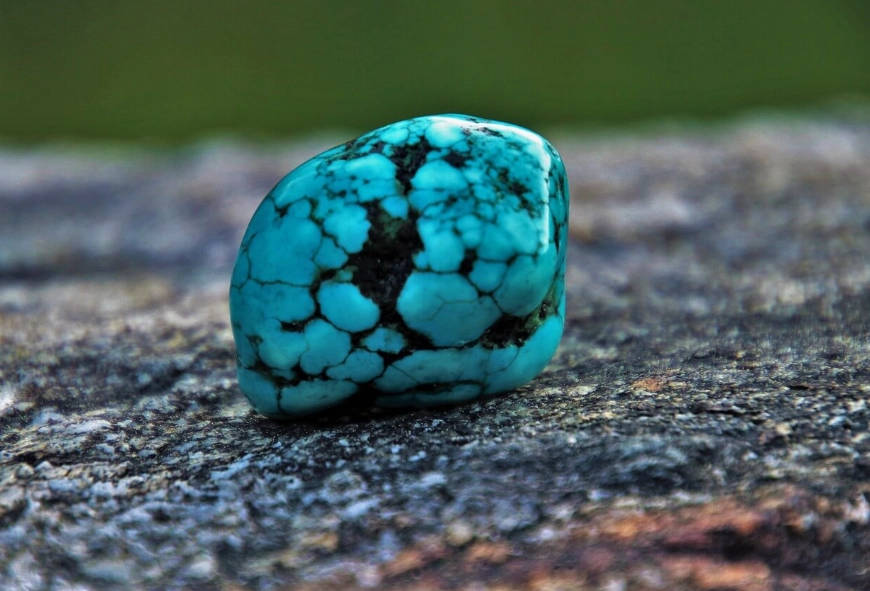 Are "stabilized" and "enhanced" the same thing? Which one is worse?
They are not the same, and "worse" depends on your goals. Stabilization is a specific type of enhancement using a hardening agent. "Enhanced" is an umbrella term that includes stabilization, but also dyeing, waxing, and surface treatments. Dyeing is generally considered a more significant alteration because it changes the fundamental color. Stabilization is widely accepted to make the stone wearable. For a piece of jewelry you'll wear daily, a well-stabilized stone is often a better, more durable choice than a fragile natural one. The problem is never the stabilization itself—it's the failure to disclose it.
I inherited an old piece labeled "Egyptian Turquoise." What does that mean?
Historically, it refers to some of the oldest known turquoise sources, mined in the Sinai Peninsula over 6,000 years ago. These ancient mines are largely exhausted. In a modern context, the label is problematic. It could mean: 1) A genuine antique stone from that region (rare). 2) A stylistic descriptor for a color or setting style. 3) An inaccurate or romanticized label for turquoise from a completely different source. Without provenance, it's safest to view "Egyptian" as a historical reference rather than a geographic certainty. Have it examined by a gemologist if its value is important.