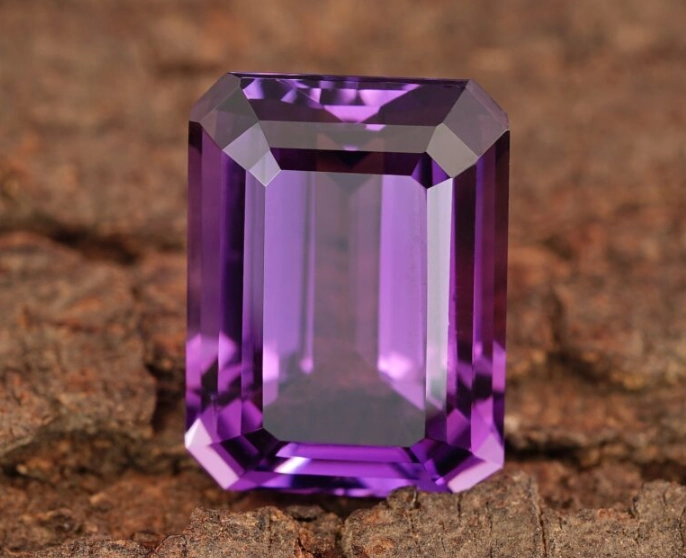
Let's cut through the romance for a second. You're probably picturing a deep, velvety blue stone, right? That's the classic. But if that's all you know about sapphire gemstones, you're missing 90% of the story—and potentially overpaying by a huge margin. I've been in the gem trade for over a decade, and the number of people who buy a sapphire based on a brand name or a vague feeling of "it's pretty" is staggering. This guide isn't about fairy tales. It's about giving you the concrete, often overlooked details that turn you from a hopeful buyer into a confident one. We'll cover what actually drives value, the step-by-step process of buying without regret, and how to care for your stone so it doesn't lose its sparkle in five years.
Your Quick Guide to Sapphire Essentials
What Really Drives a Sapphire's Value?
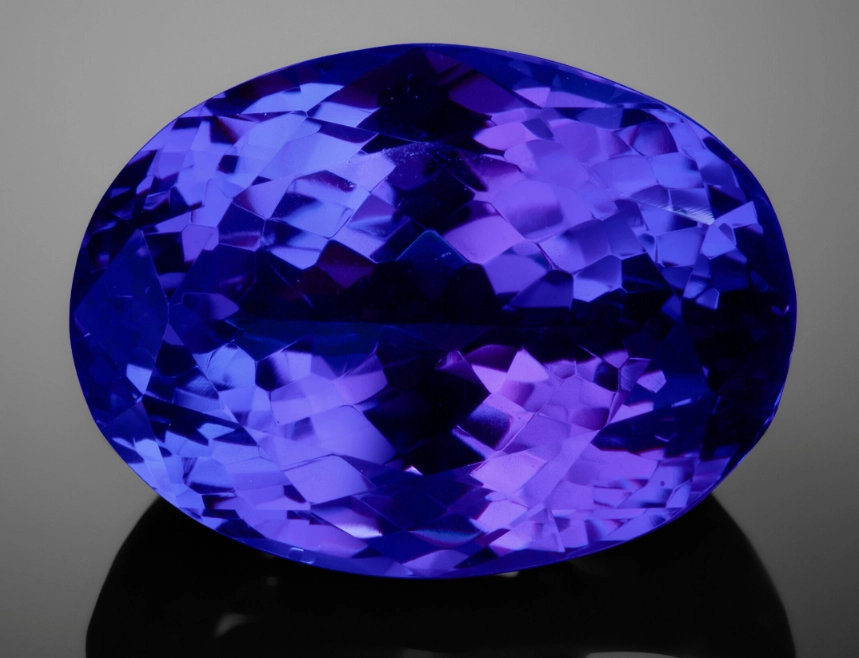
Forget the 4Cs you learned for diamonds. With sapphires, the rules are different, more nuanced. Color is king, but it's a specific kind of king. A top-tier blue sapphire isn't just "blue"; it's a vivid, medium-dark cornflower or royal blue with high saturation and no muddy gray or green modifiers. The most prized color is often called "Kashmir" blue, named after the legendary (and nearly extinct) mines, but you'll find stunning examples from Sri Lanka and Madagascar too.
Here's the expert mistake I see all the time: people get hung up on origin as a guaranteed value marker. A "Burmese" sapphire sounds expensive. But a mediocre, included Burmese stone is worth far less than a flawless, electric blue one from Montana, USA. Origin adds a premium, but it cannot rescue poor color or clarity.
My Take on Heat Treatment: The industry will tell you 95% of sapphires are heated, and it's an accepted, stable practice. That's true. But here's the non-consensus part: an unheated stone of equal beauty isn't just 20% more valuable; it's in a different收藏 league entirely. The market for collectors and investors is almost exclusively focused on unheated, untreated material. If you're buying for long-term value, prioritize evidence of no treatment from a lab like GIA or AGL over a slightly better color in a heated stone.
Let's break down the value factors into something you can actually use when comparing stones:
| Factor | What to Look For (The Ideal) | Common Pitfall to Avoid | Impact on Price |
|---|---|---|---|
| Color | Vivid, saturated hue (e.g., royal blue, vibrant padparadscha pink-orange). Even tone, no zoning. | Stones that look inky black in indoor light (too dark) or washed out (too light). | Highest. Can cause 300%+ price swings. |
| Clarity | "Eye-clean" – no visible inclusions to the naked eye. Needle-like inclusions (silk) can boost value if they cause asterism (a star). | Large fractures or clouds that make the stone look hazy or dull. Black crystals in the center. | High. A visible crack can halve the value. |
| Carat Weight | Good color and clarity in your desired size. Prices per carat jump at milestone weights (e.g., 1ct, 2ct, 5ct). | Assuming bigger is always better. A 3ct stone with poor color is less valuable than a 1.5ct superstar. | Non-linear. A 2ct stone costs more than 2x a 1ct of equal quality. |
| Treatment | Disclosure. Heated is standard. Unheated is a premium. Avoid fracture-filled or diffusion-treated stones for daily wear. | Buying a "natural" sapphire without a lab report, not realizing it's heavily treated. | Extreme. Unheated can be 5-10x the price of a similar-looking heated stone. |
| Cut | Symmetry and proportions that return light to your eye, not just save weight. Look for brilliance, not a "window" (see-through area). | Shallow or lumpy "native" cuts that were designed to maximize rough weight, not beauty. | Moderate-High. A great recut can significantly improve a stone's appearance and value. |
The Origin Story: More Than Just a Label
Okay, let's talk origins because everyone does. Kashmir is the mythic standard for blue. Burmese stones often have a richer, slightly violetish blue. Ceylon (Sri Lankan) stones are famous for their lighter, brighter, often more lively blue. Montana sapphires can have a unique metallic or steely blue. The key is to see the stone first, and the report second. A lab report confirms origin through geochemical fingerprinting, but your eyes confirm beauty.
How to Buy a Sapphire Without Getting Ripped Off
This is the practical part. Let's assume you're not flying to Sri Lanka to buy from a miner. How do you navigate the market?
Step 1: Define Your "Why" and Budget. Is this for an engagement ring meant for daily wear? Then durability (sapphire is great, 9 on the Mohs scale) and a secure setting are key. Is it an investment piece? Then lab documentation (GIA, AGL, Gübelin) and focusing on unheated stones are non-negotiable. Your budget dictates your trade-offs. For $1,500, you might get a small, vivid heated sapphire. For $15,000, you're entering fine unheated territory.
Step 2: Find Reputable Sellers, Not Just Big Names. Look for specialists. A jeweler who mainly does diamonds might have three sapphires in a tray, all overpriced. Seek out vendors who can talk knowledgeably about origin, treatment, and cutting style. Online forums like Pricescope have vetted vendor lists. Ask for videos in multiple lights (daylight, halogen, indoor). A sapphire that only looks good in a jeweler's bright spotlight is a red flag.
Step 3: Insist on a Lab Report for Any Significant Purchase. I don't mean a store's "certificate." I mean a report from an independent gemological laboratory. GIA is the gold standard. It will detail carat weight, dimensions, color, and—critically—any detected treatments. This is your receipt and your stone's passport. No report, no sale, unless you're buying a $100 decorative piece.
Step 4: Compare, Compare, Compare. Don't fall in love with the first stone you see. Look at 10, 20, 50 online. You'll start to see the difference between a $500/ct color and a $2,000/ct color. It trains your eye.
I once helped a client who was set on a 2-carat "Ceylon" sapphire from a fancy boutique. The color was okay, the price was $8,000. We found a nearly identical stone from a specialist for $4,200, with a better cut and a GIA report confirming it was unheated. The boutique was selling the brand and the setting; the specialist was selling the gem.
Practical Care & Cleaning: Keeping Your Sapphire Brilliant
Sapphires are tough, but they're not invincible. The biggest enemy isn't scratches—it's grime. Body oils, lotion, and dust build up on the underside of the stone, killing its fire and making it look dull. It's the most common reason people think their sapphire has "lost its sparkle."
The Simple Home Clean: A small bowl of warm water with a drop of mild dish soap. Soak the piece for 15-20 minutes. Use a very soft toothbrush (a baby toothbrush is perfect) to gently scrub behind the stone. Rinse thoroughly under warm running water. Pat dry with a soft, lint-free cloth. Do this every month if you wear it regularly.
What to Avoid: Ultrasonic cleaners are generally safe for heat-treated sapphires in a simple setting. But if the stone has fractures (even filled ones) or is in a delicate pavé setting, skip it. Steam cleaners are riskier due to thermal shock. Never use harsh chemicals like bleach or chlorine.
Store it separately. A sapphire can scratch other jewelry and, believe it or not, can be scratched by a diamond. Keep it in a soft pouch or a separate compartment in your box.
Your Sapphire Questions, Answered
For the sapphire itself, yes, it's hard enough. The risk is to the setting and the metal. Prongs can catch on things and loosen. Harsh chemicals in cleaners or soil can degrade the metal over time. My rule: if you're doing anything involving manual labor, chemicals, or a high chance of impact, take it off. It takes two seconds and prevents a lifetime of regret. Get a simple silicone band for those activities.
Not necessarily. It's all about rarity and desirability. A top-quality, natural padparadscha (a sunset pink-orange) can command prices higher than a fine blue sapphire. Vivid, unheated yellow or pink sapphires from certain origins are also highly collectible. The market for blue is just larger and more established. Green sapphires are more common and usually less expensive, but a fine, vibrant green is still sought after.
Probably not. It's almost certainly just dirty. Decades of grime packed underneath the stone acts like a gray filter. Take it to a trusted jeweler for a professional cleaning and a check on the prongs. You'll likely be shocked at the transformation. If it's still dark after cleaning, it might be a very deeply colored stone that needs specific lighting to come alive, which is a characteristic, not a flaw.
"Decent" is the key word. For a solitaire ring with a good (not exceptional), eye-clean, heated blue sapphire in a simple 14k white gold setting, a realistic starting point is between $1,800 and $3,500 total. Below that, you're likely compromising significantly on color or clarity. If you want an unheated stone, add a zero to the gemstone cost alone. Always break down the quote: how much is the stone (with its report), and how much is the setting and labor?
Lighting performance. They see a stone in a perfect, bright display case and buy it. Then they wear it to a restaurant or their office and wonder where the color went. Always, always ask to see the stone in different lighting conditions—near a window, under warm indoor bulbs, even in shadow. A great sapphire should hold its color and life across environments, not just in the spotlight.