Let's cut to the chase. The November birthstone topaz meaning goes far beyond a simple "happy birthday" gem. It's a stone wrapped in ancient fire, whispered legends, and a surprising range of colors that each tell a different story. If you're a November baby, or just love the look of topaz, you've probably wondered what it's really about. Is it just a yellow stone? What's the deal with blue topaz? And does any of this symbolism matter when you're just trying to pick a necklace?
I've been working with gemstones for over a decade, and the misconceptions around topaz are some of the most common I see. People often confuse it with cheaper citrine, or they buy a treated blue topaz without knowing its origin. This guide will strip away the marketing fluff and give you the real, practical knowledge about your birthstone—its history, the specific meanings tied to its color, and crucially, how to choose and wear it so it lasts a lifetime.
Your Quick Guide to Topaz
What is the Meaning of Topaz?
The name "topaz" is thought to come from the Sanskrit word "tapas," meaning fire. That's your first clue. Ancient Egyptians believed the golden glow of topaz came from the sun god Ra, granting protection and strength. The Greeks associated it with their god Zeus, symbolizing might. For centuries, it was considered a stone of wisdom, courage, and true friendship.
Here's a nuance most blogs miss: historically, the term "topaz" was a catch-all for any yellow gemstone. Pliny the Elder, the Roman naturalist, likely described a peridot when he wrote about "topaz." This historical blurriness is why it's crucial to buy from reputable sources who identify gems with modern tools, not just old names.
The core November birthstone topaz meaning centers on clarity, warmth, and resilience. It's not a passive stone. It's linked to dispelling doubt, calming anger (and hot-headedness), and promoting honest communication. Think of it less as a magical talisman and more as a symbolic reminder: to speak your truth with kindness, to find inner calm during chaos, and to nurture the warm, lasting bonds of friendship.
Topaz Colors and Their Specific Meanings
This is where it gets interesting. Topaz isn't just yellow. Its color palette is vast, and each shade carries a nuanced twist on the stone's core meaning. Choosing a color isn't just about preference; it's about connecting with a specific intention.
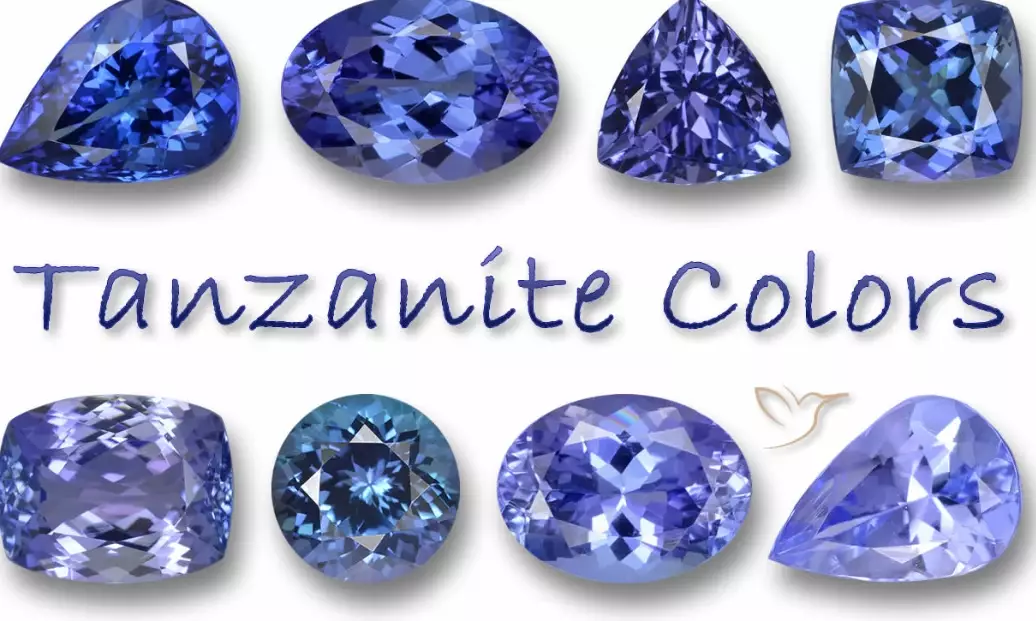
A critical point often glossed over: the vast majority of blue topaz on the market is colorless topaz that has been irradiated and heated to achieve that stable, beautiful blue. This is a permanent, accepted treatment in the industry, but it should always be disclosed. The naturally occurring blue topaz is exceedingly rare and pale.
| Color | Primary Meaning & Vibe | Key Associations & Best For... | Rarity Note |
|---|---|---|---|
| Imperial Topaz (Sherry-orange to pinkish-orange) | The ultimate stone of confidence, vitality, and personal power. The "royal" topaz. | Leadership, creativity, manifesting goals. Wearing when you need a bold boost. | Rarest and most valuable color, mined primarily in Brazil. |
| Blue Topaz (Sky, Swiss, London blue) | Calm, clear communication, and emotional serenity. A mental coolant. | Public speaking, stressful work, soothing anxiety. A modern favorite for its tranquil look. | Almost always treated. London Blue (deep) is the most saturated. |
| Colorless / White Topaz | Mental clarity, amplification, and purity of intention. A blank slate. | Meditation, new beginnings, enhancing other stones' energies. A diamond alternative. | Common, but often mistaken for diamond. Softer and less brilliant. |
| Pink Topaz | Compassion, emotional healing, and gentle love. Not just romance. | Self-love, recovering from grief, fostering empathy in relationships. | Often created by heating certain brown stones. Natural pink is rare. |
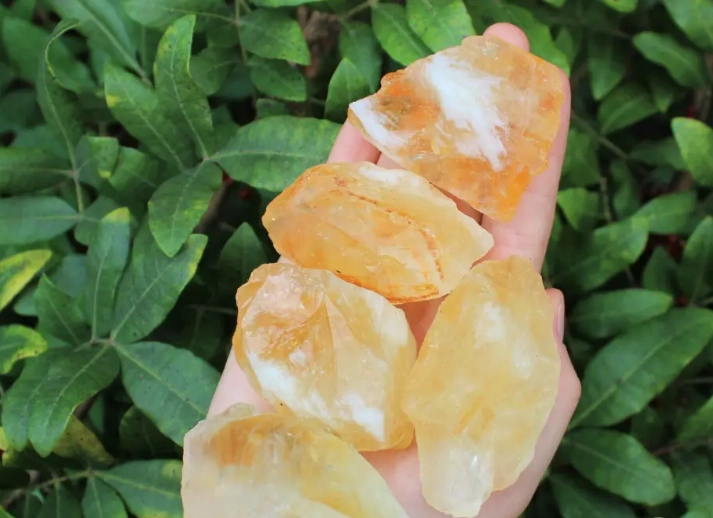
| Yellow & Golden Topaz | The classic. Attraction, warmth, generosity, and personal willpower. | Building friendships, attracting abundance (not just wealth), boosting optimism. | The color most associated with the traditional birthstone. |
My personal favorite is Imperial Topaz. There's a warmth to it that feels alive, not like painted glass. I've seen clients light up when they put on a piece—it's a confidence stone, through and through. But I recommend Swiss Blue Topaz more often because its serene color is universally flattering and suits everyday wear.
The Citrine vs. Topaz Confusion (And Why It Matters)
This is a huge pain point. Yellow quartz (citrine) is constantly mislabeled as "gold topaz" or "topaz quartz" in cheaper jewelry. They look similar, but citrine is quartz (hardness 7), while topaz is an 8 on the Mohs scale of hardness. That one-point difference matters for durability. Topaz is also denser and has a different crystal structure.
How to spot it? If the price seems too good to be true for a large yellow stone, it's probably citrine. A reputable jeweler will never call citrine "topaz." When in doubt, ask for the species on the receipt. According to the Gemological Institute of America (GIA), proper identification is key to value and care.
How to Wear and Care for Your Topaz Jewelry
Meaning is great, but a chipped stone is a tragedy. Topaz has perfect cleavage, meaning it can split along certain planes if struck sharply. This isn't to scare you—it's to empower you with the right care knowledge most jewelers forget to mention.
Daily Wear Do's and Don'ts
- Do wear topaz in pendants and earrings. These are low-risk pieces.
- Be cautious with rings and bracelets. Choose protective settings like bezels for the stone, especially for daily-wear rings. A prong-set topaz on a manual laborer's hand is asking for trouble.
- Don't wear topaz jewelry while gardening, cleaning (harsh chemicals), or at the gym. Sudden knocks against equipment are the main danger.
- Do put your jewelry on last after applying makeup, perfume, and hairspray.
Cleaning and Storage
Clean with warm, soapy water and a soft brush. Ultrasonic cleaners are usually safe for topaz unless it has liquid inclusions or fractures (which a jeweler can check). Steam cleaners can be risky due to sudden temperature changes. Dry thoroughly. Store each piece separately in a soft pouch to prevent scratches from harder gems like diamonds or sapphires.
Making Your Choice: A Practical Framework
Forget vague advice. When choosing a topaz, ask yourself:
- Budget: Imperial tops the chart. Blue and white are very accessible. Yellow/golden sits in the middle.
- Lifestyle: Active hands? Opt for a pendant. Want an everyday ring? Choose a bezel-set stone in a mid-tone blue or white topaz.
- Color Connection: Which meaning from the table above resonates with you right now? Don't overthink it—go with the color you're drawn to.
Your Topaz Questions, Answered
I inherited a yellow stone ring sold as topaz. How can I tell if it's topaz or citrine?
Does heat-treated blue topaz have less "meaning" or value than natural topaz?
Is topaz too soft for an engagement ring?
What's the biggest mistake people make when buying topaz jewelry?
The "healing properties" of topaz are everywhere online. What's your take?
The November birthstone topaz meaning is a layered one—tied to fire and calm, history and personal expression. It's a gem that rewards an informed owner. Whether you're drawn to the confidence of Imperial, the peace of Blue, or the warmth of the classic Gold, understanding its true nature—both beautiful and slightly delicate—lets you wear it with true appreciation. Choose the color that speaks to you, set it wisely, care for it thoughtfully, and let it be a touchstone for your own strength and clarity.